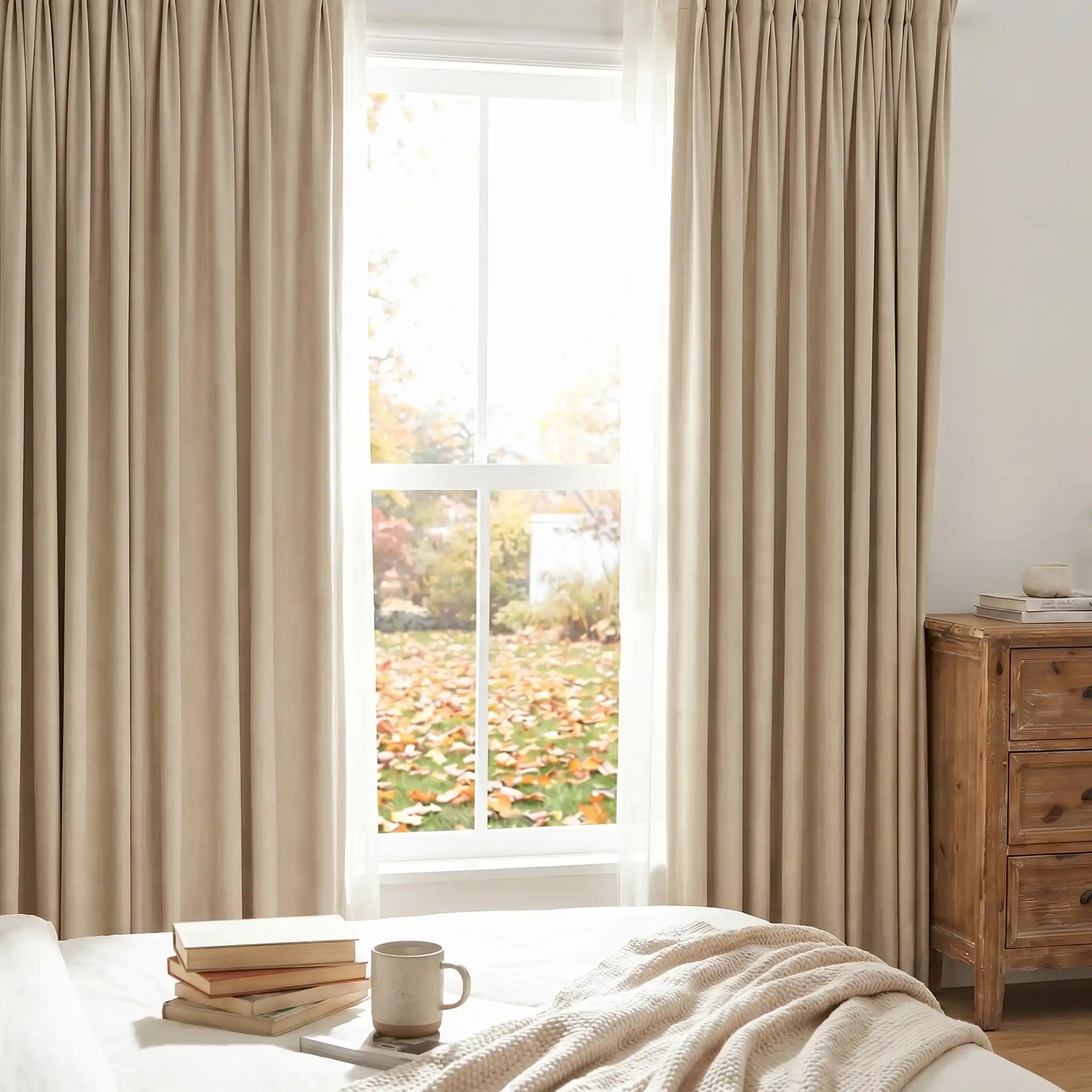

Buying Guides

Lightweight Bedroom Curtains vs Heavy Curtains: Which Is Better for Modern Homes
Choosing bedroom curtains used to be a simple style decision. Today, it is part of broader home planning. The weight of your curtains affects how much daylight enters the room, how private the space feels, how easy the curtains are to maintain, and even how comfortable the room feels across different seasons. For modern homes, the choice is not always “lightweight curtains or heavy curtains.” In many cases, the best answer depends on your lighting conditions, lifestyle, climate, room size, and design goals. This guide compares both options clearly so you can choose what works best for your bedroom. Start with Your Home’s Lighting Conditions Before thinking about fabric, color, or curtain style, look at the light in your bedroom. Curtain weight has a direct impact on how daylight moves through the space. Homes with Abundant Natural Light If your bedroom gets plenty of sunlight, lightweight curtains can help keep the room bright without making it feel exposed. Sheer, semi-sheer, linen-blend, and light-filtering curtains soften direct sun while preserving an open atmosphere. Lightweight curtains are especially useful when you want to: Maintain natural brightness during the day Reduce harsh glare without darkening the room Create a softer, more relaxed bedroom mood Keep the window area visually light and uncluttered In bright rooms, heavy curtains can still be useful, but they may feel too strong if used as the only window treatment. A layered setup often works better. Bedrooms with Limited Sunlight For bedrooms that already feel dim, heavy curtains can make the room look smaller or darker than it needs to be. Thick fabrics absorb more light and may create a closed-in feeling, especially in compact rooms. In lower-light bedrooms, lightweight curtains usually help create a better balance. They allow limited daylight to enter while adding softness and privacy. Good choices include: White or ivory sheers Pale linen curtains Light-filtering cotton blends Neutral semi-sheer panels If privacy or insulation is still needed, consider adding a second layer instead of relying only on thick drapes. East-, West-, and South-Facing Windows Window direction also matters. Different exposures create different lighting challenges. Window Direction Light Pattern Recommended Curtain Approach East-facing Strong morning light Lightweight curtains plus optional blackout layer West-facing Intense afternoon sun Semi-sheer or lined curtains for glare and heat control South-facing Long daylight exposure Layered curtains for flexible light management North-facing Softer, indirect light Lightweight curtains to preserve brightness Seasonal changes should also be considered. A curtain setup that works well in winter may feel too heavy in summer, while very light curtains may not provide enough insulation during colder months. Choose Curtains Based on How You Use Your Bedroom The best curtain choice is not only about the material. It is about how the bedroom functions in daily life. A sleep-only room has different needs from a bedroom that also works as a home office, reading corner, or children’s space. Bedrooms Used Only for Sleeping If the bedroom is mainly for sleep, privacy and light blocking become more important. Heavy curtains, lined curtains, or blackout drapes may be the better option, especially for light-sensitive sleepers. They can help with: Blocking streetlights Reducing early morning sun Creating a darker sleep environment Adding a sense of calm and enclosure However, a fully heavy curtain setup may make the room feel dark during the day. Pairing heavy curtains with lightweight sheers gives you more flexibility. Multi-Functional Bedrooms Many modern bedrooms are used for more than sleeping. They may serve as a workspace, dressing area, reading room, or quiet place to unwind. In this case, lightweight curtains often perform better during the day because they: Allow natural light for working or reading Reduce screen glare without making the room dark Keep the atmosphere relaxed Make the room feel more adaptable A layered curtain system is usually the most practical choice for multi-functional bedrooms. Use lightweight curtains during the day and heavier panels when privacy or darkness is needed. Guest Bedrooms Guest bedrooms should feel comfortable for different people with different preferences. Some guests may prefer a bright room in the morning, while others may want more darkness. A balanced setup works best: Lightweight curtains for daytime softness Heavier drapes or blackout lining for sleep privacy Neutral colors that fit various design styles Easy-to-operate hardware This gives guests more control without making the room complicated. Children’s Bedrooms Children’s bedrooms need practical, safe, and easy-care solutions. Curtain weight should be chosen with daily use in mind. For children’s rooms, consider: Washable fabrics Secure curtain rods or tracks Cordless or child-safe operating systems Light control for naps and bedtime Durable materials that can handle frequent use Heavy blackout curtains may help young children sleep, while lightweight curtains can keep the room bright and cheerful during the day. Again, layering is often the most useful approach. How Curtain Weight Influences Interior Style Curtains cover a big part of the wall, so fabric weight has a clear impact on how a bedroom feels. Light curtains usually make the room look brighter and more open. Heavier curtains bring more shape, texture, and a stronger sense of finish. Creating an Open, Airy Appearance Lightweight curtains suit bedrooms that rely on natural light and a clean layout. They are often used in minimalist, Scandinavian, coastal, and modern interiors because they do not make the window area feel heavy. They can help create: A softer look around the window More natural light in the room A relaxed, breathable feeling A cleaner and less crowded layout This works especially well in small bedrooms, apartments, or rooms where heavy fabric would feel too visually dominant. Adding Visual Depth and Warmth Heavy curtains give a bedroom more weight and presence. They add volume, texture, and a more enclosed feeling, which can make the space feel warmer and more finished. They are useful when you want to: Make the bedroom feel cozier Add depth to plain walls Make a large room feel more intimate Support a classic, elegant, or luxury style Velvet, thick cotton, jacquard, suede-like fabrics, and lined drapes can all create this effect. The main point is to keep the fabric in scale with the room, so the curtains do not feel bulky or overpowering. Making Ceilings Look Higher Both lightweight and heavy curtains can make the ceiling look higher when they are installed well. This depends more on curtain placement than on fabric weight. For a taller visual effect: Mount the rod or track close to the ceiling Let the curtains reach the floor Use vertical folds or ripple-style headers Avoid short curtains that cut the wall visually Lightweight floor-length curtains usually create a smooth, easy vertical line. Heavy curtains can do the same, but they need enough fullness and stronger hardware to hang properly. Framing Large Windows Without Overpowering the Room Large windows need the right balance. Lightweight curtains can soften the glass without blocking too much view or making the room feel closed in. Heavy curtains can also frame large windows well, especially in rooms with high ceilings or enough floor space. They add privacy and a more dramatic look, but they need stronger rods or tracks and careful styling. For large modern windows, layering is often the most balanced option: sheer curtains near the glass, with heavier drapes on the outside. Which Curtain Option Requires Less Maintenance? The Hidden Impact on Home Energy Efficiency Curtains play a bigger role in bedroom comfort than many people think. They will not replace insulation, but they can help manage heat around windows, especially in rooms that get strong sun or feel cold at night. Managing Indoor Heat During Summer During summer, curtains can cut down the amount of direct sunlight entering the room. This is especially helpful for west-facing and south-facing bedrooms, where afternoon heat can build up quickly. Heavy or lined curtains block more heat, but they also make the room darker. Lightweight curtains are better if you want to reduce glare while still keeping the bedroom bright. They just do not provide the same level of thermal control. A useful summer setup may include: Light-filtering sheers for daytime brightness Lined curtains for strong afternoon sun Pale colors that reflect more light Wide panels that cover the whole window area Retaining Warmth During Winter In winter, heavier curtains usually perform better. Thick fabric and lining can create a warmer layer near the window, helping reduce drafts and heat loss. They are especially useful for: Older homes Large windows Bedrooms in colder climates Rooms with single-pane or poorly insulated windows Lightweight curtains on their own offer only modest insulation. If keeping the bedroom warm is important, use them with lined drapes or thermal curtains. Reducing Dependence on Air Conditioning and Heating Curtains can support heating and cooling when they are used at the right time. Closing them before the sun gets too strong can help keep heat out. Closing heavier curtains at night can help keep warmth in. For better results: Close curtains before direct sunlight becomes intense Use heavier layers during cold nights Keep lightweight curtains open when winter sun is useful Make sure the curtain width fully covers the window The goal is not to block all airflow or seal the room completely. It is simply to help the bedroom hold a steadier temperature. Finding the Right Balance Between Comfort and Energy Savings For many homes, the best setup uses both light and heavy curtain fabrics. Lightweight curtains keep the room bright during the day. Heavier curtains add insulation when the weather calls for it. This is especially practical in areas with both hot summers and cold winters. You can adjust the layers through the year without replacing the entire window treatment. Common Homeowner Scenarios and the Best Curtain Choice Different homes have different curtain needs. Here is a practical comparison based on common living situations. Home Scenario Best Curtain Choice Why It Works Small urban apartment Lightweight or layered curtains Keeps the room bright and visually open Large modern villa Layered curtains with heavier outer panels Balances large windows, privacy, and style Rental property Lightweight washable curtains Easy to install, remove, and maintain Vacation home Durable layered curtains Handles changing seasons and occasional use Smart home Lightweight curtains or layered automated tracks Easier movement and better control For Small Urban Apartments Small apartments often benefit from lightweight curtains because they do not visually crowd the room. Pale colors and ceiling-to-floor installation can make the bedroom feel taller and brighter. If privacy is a concern, choose semi-sheer curtains rather than very transparent sheers. For Large Modern Villas Large homes with tall windows can handle heavier curtains more easily. In villas, heavy drapes can add proportion, warmth, and architectural presence. A layered system is often ideal: sheers for daytime and heavier drapes for evening privacy. For Rental Properties Rental homes need flexibility. Lightweight curtains are easier to install with standard rods, tension rods, or removable hardware. Good rental curtain choices include: Grommet curtains Rod pocket panels Machine-washable fabrics Neutral colors Lightweight semi-sheer materials These options are practical and easy to move when needed. For Vacation Homes Vacation homes may need curtains that handle irregular use, changing humidity, and different seasons. Durability matters. A good approach is to use easy-care lightweight curtains with a heavier layer for privacy and temperature control. Avoid very delicate fabrics if the home is not maintained frequently. For Smart Homes with Automated Curtains Smart curtain systems work best when curtain weight is matched to the motor and track. Lightweight curtains are easier to automate and place less stress on the system. For smart homes, consider: Lightweight sheers for daily automation Separate tracks for blackout curtains Smooth ripple fold headers Fabric weight recommended by the motor manufacturer This helps the system operate more quietly and reliably. Should You Choose One Type or Combine Both? For a modern bedroom, using light and heavy curtains together is often more practical than choosing one style alone. The lighter layer keeps the room bright and comfortable during the day, while the heavier layer gives you privacy, darkness, and a more settled feeling when needed. Benefits of Layering Curtains Layered curtains make the bedroom more flexible. You can keep the sheer layer closed in the daytime to soften sunlight, then draw the heavier curtains in the evening for a quieter and more private space. This arrangement offers several advantages: Better privacy at different times of day More control over sunlight and glare Extra comfort near windows in hot or cold weather A fuller, more finished window design Easier adjustment as seasons change It is a useful choice for bedrooms that also function as reading areas, work corners, or relaxing spaces during the day. Mixing Sheer and Heavy Panels One of the easiest ways to layer curtains is to place sheer curtains near the window and heavier panels in front. This keeps the bedroom light in the daytime and gives the window more depth when the outer curtains are closed. The sheer layer helps by: Softening strong daylight Reducing glare on screens or furniture Giving some privacy while keeping light Making the room feel more open The heavier layer helps by: Blocking outside views at night Making the room darker for sleep Adding warmth during cooler months Giving the window a stronger frame For a clean look, choose tones that sit well together. For example, white sheers with warm beige panels, ivory sheers with taupe drapes, or pale gray sheers with deep gray curtains. Flexible Light Control Throughout the Day A layered curtain system works because bedroom needs change across the day. The room may need brightness in the morning, glare control in the afternoon, and privacy at night. Time of Day How to Use the Curtains Result Morning Open the heavy panels and keep sheers closed Bright light without harsh glare Afternoon Use sheers or semi-sheers Softer sunlight and less glare Evening Close the heavier curtains More privacy Night Close the lined or blackout layer Darker, more restful sleep setting This setup is especially helpful for bedrooms facing nearby buildings, busy streets, or strong afternoon sun. Design Tips for a Modern Bedroom To keep layered curtains from looking too heavy, keep the styling simple. Modern bedrooms usually look better with clean lines, quiet colors, and smooth fabric movement. Helpful tips include: Choose plain colors or subtle textures Avoid busy patterns and ornate trims Install rods or tracks close to the ceiling Let the curtains fall to the floor Use simple headings such as ripple fold, pleat, or grommet Allow enough fabric width for soft, natural folds When the layers are chosen and installed well, the result feels calm, polished, and easy to use every day. Buying Checklist Before Making Your Decision Before choosing bedroom curtains, it is worth checking a few practical points first. Many curtain problems come from small details: panels that hang too short, fabric that blocks more light than expected, or rods that are not strong enough for the curtain weight. Bedroom Curtain Buying Checklist Use this checklist before placing an order or visiting a store. Measure the Window Carefully Start with accurate width and height measurements. Do not measure only the glass. Include the full area you want the curtains to cover. For a fuller appearance, curtain panels should usually be wider than the window itself. This helps the fabric form natural folds instead of looking flat or stretched. Think About Your Local Climate Climate can affect which curtain weight works best. In hot areas, curtains may need to reduce glare and limit heat from direct sunlight. In colder areas, heavier or lined curtains can help the bedroom feel warmer, especially near large or older windows. Check Your Privacy Needs Not every bedroom needs the
Learn more
2026 Guide to Choosing the Right Lightweight Bedroom Curtains for Every Home
By 2026, lightweight bedroom curtains have become more than a simple décor choice. Many homeowners now use them to control natural light, maintain privacy, and create a bedroom that feels fresh, calm, and easy to live in. Their appeal comes from the way they soften a room without making it feel heavy. A good lightweight curtain can let daylight filter through gently, reduce harsh glare, and still give the window a finished look. For modern homes that favor bright spaces and flexible layouts, this makes them a practical everyday choice. This guide covers the main trends in lightweight bedroom curtains, from fabric selection and style direction to home-matching ideas and important buying details. What’s New in Lightweight Bedroom Curtains for 2026? Bedroom curtain trends in 2026 are shaped by three major priorities: natural light, sustainable materials, and smart home compatibility. Instead of choosing curtains only by color or pattern, homeowners are paying closer attention to how curtains affect daily living. Natural Light–Driven Interior Design Modern bedroom design continues to move away from dark, closed-off spaces. Many homeowners now prefer rooms that feel open, calm, and naturally bright. Lightweight bedroom curtains support this trend by: Allowing daylight to enter the room Softening harsh sunlight Reducing glare without creating a fully dark environment Making bedrooms feel larger and more relaxed Rather than relying on full blackout curtains during the day, many interiors now use light-filtering curtains to create a gentle glow. This is especially useful in bedrooms that also function as reading areas, work-from-home spaces, or relaxation zones. Eco-Friendly Fabric Innovation Sustainability is also influencing curtain choices. In 2026, more buyers are looking for fabrics that feel natural, last longer, and have a lower environmental impact. Common eco-conscious curtain options include: Organic cotton, valued for softness and everyday comfort Linen blends, known for breathability and natural texture Recycled polyester, used for durability and easier maintenance Low-impact dyed textiles, designed to reduce water and chemical use The goal is not only to choose a beautiful curtain but also to select materials that align with long-term, responsible living. Smart Home Curtain Integration Smart home systems are becoming more common in bedrooms, and curtains are part of that shift. Motorized curtain tracks and automated systems now work well with many lightweight fabrics. Lightweight curtains are especially suitable for automation because they are: Easier for motors to move Less demanding on curtain tracks Compatible with app-based scheduling Often suitable for voice-controlled home systems For people who want curtains to open gradually in the morning or close automatically in the evening, lightweight fabrics offer a practical and stylish solution. How to Match Lightweight Curtains to Different Home Types Lightweight bedroom curtains should be chosen with the whole home in mind, not just the window size. Different living spaces have different priorities. Some need more privacy, some need brighter daylight, and others need fabric that can handle daily use. Once the room’s role is clear, the curtain choice becomes much simpler. Modern Apartments and Condos Apartments and condos often work best with curtains that feel clean, light, and easy on the eye. Lightweight fabrics help soften the view outside while keeping the room open and bright. Useful options include: White sheer panels for a fresh, simple look Linen-blend curtains for gentle texture Light-filtering polyester for low-maintenance use Ceiling-mounted panels to make the walls look taller For windows facing nearby apartments or office buildings, semi-sheer curtains are usually a better choice than very transparent sheers. They still allow daylight in but give the room a little more privacy. Family Homes with Flexible Bedroom Needs In a family home, bedrooms often serve more than one purpose. A room may be used for sleep, homework, nursing, guests, or quiet downtime. Curtains in these spaces should be easy to care for and comfortable for daily living. Good features to look for include: Washable fabric Reliable durability A soft, calming look Enough coverage for both day and night Cotton blends, polyester blends, and linen-cotton fabrics are practical choices. They bring a relaxed bedroom feel without demanding too much upkeep. Small Bedrooms That Need a Brighter Look Small bedrooms can feel cramped when the curtains are too dark or heavy. Lightweight curtains help the room feel more open by letting in softened daylight and reducing visual weight around the window. To create a more spacious effect: Use pale neutral shades Install curtains higher than the window Let panels reach the floor Avoid oversized pleats or bulky tops Choose fabrics that hang softly Shades such as white, ivory, beige, pale gray, and soft pastels can make a small bedroom feel cleaner and more open. Luxury Bedrooms with Layered Window Treatments Luxury bedrooms often use lightweight curtains as one part of a layered window design. The lighter layer keeps the room soft and bright during the day, while heavier panels or blackout curtains create privacy and depth later on. A layered arrangement may include: Sheers for filtered daylight Semi-sheers for daytime privacy Blackout curtains for sleep support Decorative outer panels for a richer look This gives the room a more refined, hotel-style finish while keeping the lighting easy to adjust. Rental Homes That Need Practical Options Rental properties usually call for curtains that are simple to install, easy to remove, and versatile enough for changing spaces. Lightweight curtains are helpful because they work with standard hardware and are easier to handle. Good rental-friendly options include: Rod pocket curtains Grommet panels Tension rod-compatible curtains Washable polyester or cotton blends Neutral colors that match different furniture For renters, the best curtain is often the one that can move with them. A lightweight panel in a simple shade can work across bedrooms, guest rooms, and even small living spaces. Choosing the Right Fabric for Your Lifestyle Fabric choice is where lightweight bedroom curtains really begin. It affects the way the panels fall, how bright the room feels, how much privacy you get, and how often the curtains need care. Before choosing a color or pattern, it is worth thinking about what the fabric needs to do in daily life. Linen for a Relaxed Natural Look Linen has an easy, breathable quality that works beautifully in bedrooms. It does not look too formal, but it still adds texture and character to the window area. When daylight passes through linen, the room often feels softer and calmer. Linen is a good match for: Organic modern bedrooms Coastal-style rooms Scandinavian interiors Homes that favor natural materials The trade-off is that linen creases more than many other fabrics. Some people enjoy this slightly undone look. Others may prefer linen blends, which keep much of the texture but are usually easier to maintain. Cotton for Soft Everyday Comfort Cotton is a familiar and comfortable curtain fabric. It suits bedrooms that are meant to feel warm, relaxed, and easy to live in. Compared with very sheer fabrics, cotton often gives a little more coverage while still feeling light. Cotton works well in: Children’s bedrooms Guest rooms Traditional bedroom styles Casual family homes Pure cotton should be washed carefully because it can shrink or lose its shape. Cotton blends are often more forgiving and may stay neater after repeated use. Voile for a Light and Airy Effect Voile is thin, delicate, and very good at creating a bright bedroom. It lets in plenty of daylight and gives the window a soft, breezy look. In a small room, this can help the space feel less closed in. Voile is best for: Bedrooms with good natural light Smaller spaces Layered curtain arrangements Rooms where full privacy is not essential Because voile is very transparent, it is usually not enough by itself for a bedroom at night. It is often better used with blinds, blackout panels, or another curtain layer. Polyester Blends for Practical Daily Use Polyester blends are popular because they make life easier. They are durable, usually affordable, and often need less ironing than natural fabrics. Many modern polyester curtains also look softer and more refined than older synthetic options. They suit: Busy households Rental bedrooms Low-maintenance interiors Rooms that receive strong sunlight A good polyester blend can be machine washable, wrinkle-resistant, and long-lasting, which makes it a sensible choice for everyday bedroom use. Sheer Fabrics for Soft Light Control Sheer curtains are often used when the goal is to keep the bedroom bright while softening glare. They create a gentle layer at the window without making the room feel heavy. Sheers are useful when: You want daylight during the day You plan to pair them with blackout curtains or blinds The bedroom faces a garden, courtyard, or quiet view You prefer a light, elegant window treatment For bedrooms facing streets or nearby homes, semi-sheer curtains are usually more practical. They still allow light through, but they provide more daytime privacy than fully sheer fabrics. Key Features That Define High-Quality Lightweight Curtains Lightweight curtains are not just a decorative detail in the bedroom. Once they are hung, they affect how bright the room feels in the morning, how private the space is during the day, and how easy the room is to keep fresh. When choosing them, performance matters just as much as color or style. Light Filtering and Softer Brightness A good lightweight curtain should calm strong sunlight rather than block it completely. The fabric should spread daylight gently across the room, so the space stays bright but does not feel glaring. It is helpful when curtains can: Soften direct sunlight Reduce glare on screens and glossy surfaces Create a more even indoor glow Keep the room from looking too pale or overexposed This is especially important for bedrooms that face east, because morning sun can be quite intense. Daytime Privacy with Natural Light Privacy is one of the main reasons to pay attention to fabric density. Thin sheer curtains may look airy, but they are not always enough for bedrooms that face the street, a neighboring window, or a shared balcony. For more privacy during the day, consider: Semi-sheer curtain fabrics Linen blends with a visible texture Pale curtains with a tighter weave A layered setup with blinds or blackout panels At night, the situation changes. When indoor lights are on, sheer fabrics usually become easier to see through from outside. For bedroom use, pairing lightweight curtains with a second layer is often the more reliable choice. Breathability and Room Comfort One reason people like lightweight curtains is that they do not make the room feel closed in. Fabrics such as linen and cotton allow more air movement, which can make a bedroom feel cooler and fresher. Breathable curtains are especially suitable for: Summer bedrooms Coastal or humid homes Naturally ventilated rooms Spaces where thick curtains feel too heavy For rooms that often have open windows, breathable fabrics can help keep the atmosphere light and relaxed. Wrinkle Resistance and Simple Maintenance Curtains need to stay presentable after daily use, not just look good when first unpacked. Some fabrics wrinkle quickly or need frequent steaming, while others keep their shape with much less effort. Useful easy-care qualities include: Machine-washable fabric Quick-drying material Wrinkle-resistant blends Easy ironing or steaming Good shape retention after washing Polyester blends are usually more convenient for busy households. Linen has a natural texture, but it often requires more care because creases show more easily. Fade Resistance for Sunny Windows Strong sunlight can gradually affect curtain fabric. In bright bedrooms, some materials may fade, yellow, or become weaker after long exposure. To help curtains last longer: Choose fade-resistant fabrics Use lighter colors in rooms with strong sunlight Add UV-filtering window film if needed Follow the care label when washing Rotate curtain panels if one side gets more sun Light-colored curtains usually hide fading better than dark colors, so they are often a practical choice for sunny bedrooms. Washability and Everyday Freshness Bedroom curtains can collect dust, pollen, and odors over time. Washable curtains are easier to keep clean, especially in homes with children, pets, or people with allergies. Before choosing, check: Whether the curtains are machine washable Recommended washing temperature Drying method Possible shrinkage Whether steaming or ironing is required A curtain that fits your cleaning habits will be easier to live with and more useful in the long run. Color Trends for Lightweight Bedroom Curtains in 2026 Color has a bigger impact on lightweight bedroom curtains than many people expect. Because thin fabrics let daylight pass through, the same curtain can look different in the morning, afternoon, and evening. A shade that feels soft in store photos may appear warmer, cooler, brighter, or more transparent once it is hanging at home. Neutral Shades for a Clean Bedroom Look Neutral curtains are a safe and flexible choice, especially for minimalist or modern bedrooms. They do not compete with furniture, bedding, or wall colors, so the whole room feels quieter and more pulled together. Common neutral choices include: Warm white Ivory Sand Stone gray Oatmeal Soft taupe These tones work well when the goal is a bedroom that feels calm, open, and easy to update over time. They are also useful if you like changing bedding or decor seasonally. Warm Earth Tones for a Cozy Feel Earth-inspired colors are a good option when you want the bedroom to feel warmer and more grounded. They pair naturally with wood furniture, woven rugs, rattan details, and linen bedding. Popular earth tones include: Clay Terracotta Warm beige Mushroom Desert sand Soft brown These shades add depth without making lightweight curtains feel heavy. They are especially effective in rooms with natural textures or warm-toned flooring. Soft Pastels for Gentle Color Pastel curtains can add color without making the bedroom feel busy. Instead of creating a strong statement, they bring a softer mood to the space. Good pastel options include: Dusty pink Powder blue Pale lavender Soft peach Muted mint Pastels usually work best with simple bedding, white or pale walls, and light wood furniture. The result feels fresh, quiet, and suitable for a restful bedroom. Greens and Blues Inspired by Nature Green and blue curtains are often chosen for bedrooms because they feel calm and natural. In 2026 bedroom design, these shades continue to be popular because they support a relaxed, sleep-friendly atmosphere. Popular choices include: Sage green Misty blue Seafoam Eucalyptus Soft teal Pale sky blue These colors look especially good on linen, cotton, voile, or textured sheer fabrics. They also pair well with plants, natural bedding, and soft neutral walls. Matching Curtains with the Rest of the Room Curtains do not have to match the bedroom exactly. In many cases, they look more natural when they simply relate to the colors already in the room. A practical way to coordinate curtains is to connect them with: The undertone of the wall color Bedding or duvet shades Area rug colors Wood flooring or furniture tones Accent pillows, throws, or artwork For a soft and calm look, choose curtains one or two shades lighter than the wall color. For more visual interest, choose a gentle complementary tone that still feels connected to the room. Curtain Size and Hanging Style for Modern Bedrooms Size and hanging style can completely change the way lightweight bedroom curtains look. Even affordable curtains can appear more refined when measured and installed correctly. Floor-Length Curtains for Elegant Flow Floor-length curtains are one of the most popular choices for modern bedrooms. They create a graceful vertical line and make the window feel larger. Common floor-length styles include: Curtains that just touch the floor Curtains that hover slightly above the floor Curtains with a small fabric break at the bottom For lightweight curtains, a slight floor touch often looks soft and natural without appearing messy. Sill-Length Curtains for Compact Spaces Sill-length curtains are practical for small rooms, children’s bedrooms, and spaces where furniture sits below the window. They are useful when: A desk is placed under the window A radiator or heater is below the sill Floor-length curtains are not practical The room needs a simple, casual look Sill-length curtains may feel less formal, but they can work well in compact bedrooms. Ceiling-to-Floor Designs for Visual Height Enhancement Mounting curtains close to the ceiling is a simple way to make a bedroom appear taller. This works especially well with lightweight fabrics because they create a clean, flowing line. For best results: Install the rod or track higher than the window frame Extend the rod wider than the window Choose full-length panels Avoid overly heavy fabric pooling This technique is especially effective in apartments and small bedrooms. Header Styles That Influence Modern Aesthetics The curtain header affects both style and function. It determines how the curtain hangs, moves, and fits the overall design. Common header styles include: Header Style Best For Visual Effect Rod pocket Casual bedrooms and rentals Soft and simple Grommet Modern interiors Clean, even folds Pinch pleat Elegant bedrooms Structured and tailored Ripple fold Contemporary spaces Smooth, hotel-like waves Tab top Relaxed interiors Informal and decorative For a modern bedroom, ripple fold and grommet styles are especially popular because they look neat and are easy to operate. Layering Strategies for Flexible Light and Privacy Control Layered curtains are becoming a very practical choice for bedrooms in 2026. Instead of relying on one fabric to handle light, privacy, and sleep needs all at once, many people are using two or more layers. This makes the window area more flexible and often gives the room a softer, more finished look. Pairing Sheer and Semi-Sheer Curtains A sheer and semi-sheer combination is a simple way to add depth without making the bedroom feel heavy. The sheer layer keeps daylight soft and open, while the semi-sheer layer gives a little more coverage when privacy is needed. This setup works especially well for: Bedrooms with large windows Rooms facing nearby buildings Minimalist or soft modern interiors Spaces that need adjustable daylight control Two lightweight layers can often feel more comfortable than one thick curtain, especially in rooms where airflow and natural light are important. Adding a Blackout Layer for Better Sleep Lightweight curtains are useful during the day, but they usually cannot create enough darkness at night or early morning. Adding a blackout curtain or liner gives the room better sleep support while still allowing you to enjoy lighter fabrics during the day. A practical layered setup may include: Sheer curtains for daytime light Blackout curtains or liners for night use A double rod or double curtain track Separate movement for each curtain layer This arrangement is helpful for shift workers, light-sensitive sleepers, children’s rooms, and bedrooms exposed to streetlights or bright outdoor lighting. Curtains That Shift from Day to Night A good bedroom curtain system should change with the rhythm of the day. In the morning, the room may need soft daylight. In the afternoon, glare control may matter more. At night, privacy and darkness become the priority. Here is a simple example: Time of Day Curtain Setup Main Benefit Morning Sheers open or partly closed Gentle daylight Afternoon Lightweight curtains closed Reduced glare Evening Sheer plus privacy layer Better coverage Night Blackout layer closed Darker sleep environment This approach gives more control without needing to replace curtains for different needs. Creating a Hotel-Style Bedroom Many hotel rooms use layered curtains because they need to feel comfortable at different times of day. The same idea works well at home, especially in bedrooms where you want both softness and function. To create a hotel-inspired look: Hang curtains from ceiling to floor Use a sheer layer closest to the window Add a blackout or heavier outer layer Keep the color palette calm and coordinated Choose a track system for smoother opening and closing The result is a bedroom that feels more polished, comfortable, and practical for everyday use. By 2026, lightweight bedroom curtains are being chosen with more care than ever. People still want them to look good, of course, but the bigger question is how they change the room in daily life. The best options let in a comfortable amount of daylight, soften glare, and make the bedroom feel open without leaving it exposed. Fabric choice plays a big role. Linen brings a relaxed, natural texture. Cotton feels soft and familiar for everyday use. Voile works well when you want a bright, airy look, while polyester blends are easier to wash and better suited to busy homes. For homeowners comparing different curtain styles and fabric options, dwcnhome.com can be a useful place to explore practical bedroom curtain ideas. In many bedrooms, one layer is no longer enough. A sheer curtain may be perfect during the day, but it often needs support from a privacy or blackout layer at night. This layered setup gives you more control without making the window feel heavy. It keeps the room light when the sun is up, more private in the evening, and quieter and more restful when it is time to sleep.
Learn more
Why Choose Custom Curtains for Patio Instead of Outdoor Blinds? The Complete Buyer’s Guide
Outdoor spaces are no longer just “extra areas” around a home or commercial building. Patios, balconies, pergolas, restaurant terraces, hotel courtyards, and outdoor dining areas are now expected to be comfortable, private, and usable in different weather conditions. When property owners start looking for ways to improve these spaces, two common options often come up: custom patio curtains and outdoor blinds. Both can provide shade, privacy, and weather protection, but they work in very different ways. This guide explains what custom patio curtains are, how they compare with outdoor blinds, and why more homeowners, restaurant owners, hotel operators, and commercial buyers are choosing made-to-measure patio curtain solutions. Patio curtains and outdoor blinds are both used for outdoor areas. They help block sunlight, rain, wind, dust, and outside views. But they are different products. The difference is not only the appearance. It also includes: Installation method Fabric choice Ventilation Cleaning Maintenance Replacement cost Long-term use For patios, balconies, pergolas, restaurants, hotels, and outdoor seating areas, the right product depends on the structure and use condition. Some projects need a fixed blind system. Some projects need a more flexible curtain solution. What Are Custom Patio Curtains? Custom patio curtains are outdoor curtains made to fit a specific space. They are produced according to the required width, height, material, color, and fixing method. They are mainly used for open or semi-open outdoor areas. These curtains help improve comfort, privacy, and weather protection. Common Application Areas Custom patio curtains can be used in many outdoor spaces. Common areas include: Patios Pergolas Balconies Decks Gazebos Gardens Outdoor dining areas Restaurant terraces Café seating areas Hotel outdoor spaces Poolside areas They can be used for home projects and commercial spaces. They can also be made for temporary or long-term outdoor use. Outdoor Protection Custom patio curtains are designed for outdoor conditions. They can help reduce the impact of: Sunlight Rain Wind Dust Outside views Temperature changes The actual protection level depends on the selected material and installation method. For stronger wind or rain protection, thicker fabric and reinforced edges are usually recommended. Common Materials Different materials can be used for different needs. PVC fabric: suitable for stronger weather protection Clear PVC: keeps visibility while blocking wind and rain Mesh fabric: allows airflow and provides shade Acrylic fabric: gives a softer outdoor appearance and UV resistance Polyester fabric: lightweight and suitable for general outdoor use Waterproof canvas: suitable for privacy, shade, and rain protection Material selection should match the use environment. For example, clear PVC is often used when visibility is important. Mesh fabric is better when airflow is needed. Waterproof canvas is suitable when privacy and rain protection are the main needs. Custom Accessories Custom patio curtains can also be made with different accessories. Common options include: Grommets Zippers Velcro Clear window sections Weighted bottoms Reinforced edges Tiebacks Hooks Rails Side fasteners These accessories help improve installation, opening, sealing, and daily use. They also make the curtain easier to fit different structures. What Are Outdoor Blinds? Outdoor blinds are exterior shade or enclosure systems. They are usually installed with rollers, side tracks, zip tracks, fixed frames, or motors. Common types include: Roller blinds Zip track blinds Bamboo blinds Outdoor shades Motorized blinds Outdoor blinds are often used on patios, balconies, pergolas, and outdoor dining areas. They can provide shade and privacy. Some types can also reduce wind and rain. Outdoor blinds normally need a suitable structure for installation. The opening should be straight and stable. The size must be measured carefully. Tracks, rollers, or motors also need proper installation. If the structure is uneven, installation can become more difficult. Why More Projects Choose Custom Patio Curtains Custom patio curtains are used more often because they are flexible. They can fit many different openings. They can be installed on beams, walls, rails, hooks, frames, or existing structures. They do not always need a complex track system. This makes them suitable for patios, pergolas, balconies, restaurants, cafés, hotels, and temporary outdoor areas. Custom patio curtains are also easier to remove. Cleaning is simple. Replacement is more convenient. If one panel is damaged, that panel can usually be replaced separately. There are also more choices in size, color, fabric, thickness, and accessories. For restaurants, cafés, hotels, and event spaces, patio curtains are a practical way to improve outdoor comfort. They can block wind, rain, strong sunlight, and dust. They can also divide outdoor areas without building permanent walls. Who Is This Guide For? This guide is written for people and companies comparing patio curtains with outdoor blinds. It is useful for: Homeowners upgrading patios, balconies, decks, or gardens Restaurant and café operators improving outdoor seating areas Hotel and resort operators planning terrace or poolside spaces Contractors working on outdoor enclosure projects Designers choosing materials for outdoor areas Outdoor product suppliers looking for custom curtain solutions Industrial companies needing flexible partitions or protective curtains Importers, wholesalers, and distributors sourcing outdoor curtain products This guide focuses on practical points: installation, material, weather protection, privacy, airflow, maintenance, cost, and customization. What Are Custom Curtains for Patio? Custom patio curtains are outdoor curtains made to fit a specific space. The size can be customized. The shape can be customized. The fabric and fixing method can also be customized. They are used to improve outdoor areas in a simple way. Common functions include: Blocking rain Reducing sunlight Cutting down wind Improving privacy Dividing spaces Reducing dust Making outdoor areas more comfortable These curtains are made for outdoor use. They are different from indoor curtains. Outdoor patio curtains need stronger fabric, stronger edges, and suitable accessories. They must handle sun, rain, wind, dust, and daily use. Main Features of Custom Patio Curtains Custom curtains for patios are usually made according to the real project size. They can be used for small home patios or large commercial outdoor areas. Main features include: Made to the required size Suitable for different openings Designed for outdoor conditions Made from weather-resistant fabrics Easy to install with different fixing systems Suitable for home, commercial, and industrial use Common fixing options include: Hooks Rails Ropes Grommets Tracks Velcro Zippers Side fasteners The fixing method can be selected based on the structure. For example, a pergola may use rails or grommets. A restaurant terrace may use clear PVC panels with zippers. An industrial workspace may use heavy-duty PVC curtains with reinforced edges. Common Application Areas Custom patio curtains can be used in many outdoor and semi-outdoor spaces. Common residential applications include: Patios Pergolas Gazebos Balconies Decks Gardens Backyards Common commercial applications include: Restaurants Cafés Hotels Resorts Outdoor dining areas Event spaces Poolside areas Common industrial applications include: Warehouses Workshops Loading areas Factory partitions Semi-open workspaces They are useful when a space needs protection but does not need a permanent wall. Custom Options Since the curtains are made to order, many details can be adjusted. Common custom options include: Size Fabric type Color Thickness Transparency Edge reinforcement Clear window design Logo printing Opening style Installation method Clear PVC can be used when visibility is needed. Mesh fabric can be used when airflow is important. Waterproof fabric can be used when rain protection and privacy are required. The final design depends on the space, climate, and daily use. Common Materials for Custom Patio Curtains The fabric should be selected according to the use environment. Different projects need different materials. Main factors include: Rain protection Wind protection Sunshade Privacy Airflow Cleaning Budget Appearance Below are common materials used for custom patio curtains. PVC Fabric PVC fabric is a common choice for outdoor patio curtains. It is strong and waterproof. It is also easy to clean. PVC fabric is suitable for areas that need better protection from rain, wind, dust, and cold air. Clear PVC is often used when the space needs protection but still needs visibility. It can block wind and rain while keeping the outside view. Common applications include: Restaurant terraces Outdoor dining areas Pergolas Commercial patios Industrial partitions Loading bays Semi-open work areas PVC curtains can also be made with reinforced edges, zippers, grommets, Velcro, or clear window designs. Mesh Fabric Mesh fabric is used when airflow is important. It allows air to pass through. It can also reduce sunlight, dust, insects, and outside visibility. Mesh fabric does not fully close the space like PVC. It is better for shade and ventilation. Common applications include: Balconies Garden seating areas Poolside areas Pergolas Outdoor lounges Patio shade areas Mesh curtains are suitable for warm climates or spaces that need fresh air. Acrylic Fabric Acrylic fabric has a softer fabric look. It is often used for decorative outdoor curtains. It has good color stability. It also offers UV resistance. Acrylic fabric is suitable for spaces that need both appearance and outdoor performance. Common applications include: Home patios Hotel terraces Resort areas Garden lounges Poolside cabanas Outdoor leisure spaces It is a good choice when the curtain needs to match the overall design of the space. Polyester Fabric Polyester fabric is lightweight and cost-effective. It is available in many colors. With coating or special treatment, polyester can offer water resistance, UV resistance, and better durability. It is often used for residential and light commercial outdoor curtains. Common applications include: Patios Balconies Decks Gardens Pergolas Backyard seating areas Polyester is suitable for projects that need simple outdoor protection and more color options. Waterproof Canvas Waterproof canvas is thicker and stronger than many light fabrics. It provides good privacy, shade, and rain protection. It has a heavier hand feel. It is suitable for areas that need a more solid curtain panel. Common applications include: Residential patios Commercial terraces Outdoor storage areas Pergolas Workshops Semi-open workspaces Waterproof canvas is a practical choice when privacy and weather protection are both important. Custom Patio Curtains vs Outdoor Blinds Both options can improve outdoor spaces, but they are not the same in daily use. The better choice depends on what the space needs most: flexibility, appearance, weather protection, airflow, cost, or easy maintenance. Here is a practical comparison. Feature Custom Patio Curtains Outdoor Blinds Installation Flexible and relatively simple Often needs tracks, rollers, or frames Weather protection Strong, depending on material Good, but depends on system type Privacy Easy to adjust by opening or closing panels Adjustable, but usually less decorative Airflow Better airflow when partially opened Can feel more enclosed Maintenance Easy to remove, clean, or replace More parts to clean and maintain Design options Wide range of fabrics, colors, sizes, and finishes More limited by system design Replacement Individual panels can often be replaced System parts may be more expensive Best use Flexible residential and commercial spaces Fixed structures needing a neat blind system The main difference is simple: custom patio curtains are usually more flexible, while outdoor blinds are more system-based. 1. Installation Flexibility Installation is an important difference between custom patio curtains and outdoor blinds. Patio curtains are usually easier to fit to different spaces. Outdoor blinds need a more fixed structure. This affects installation time, labor cost, and later adjustment. Custom Patio Curtains Custom patio curtains can be installed in many ways. They can be fixed on: Pergolas Beams Walls Ceilings Frames Rails Temporary structures They can fit regular openings. They can also fit some irregular openings. This makes them useful for many outdoor areas. Main advantages include: Simple installation Flexible fixing methods Suitable for different patio shapes Easy to remove Easy to replace Suitable for custom sizes Suitable for seasonal use Suitable for temporary outdoor areas Common fixing methods include grommets, hooks, ropes, rails, Velcro, zippers, and side fasteners. The installation method can be selected according to the actual structure. For restaurants, cafés, hotels, and event spaces, this is practical. Outdoor layouts may change by season. Seating areas may also need adjustment. Curtains can be removed, moved, or replaced more easily than many blind systems. Outdoor Blinds Outdoor blinds usually need a fixed installation system. They often require: Side tracks Roller tubes Brackets Guide rails Motor systems Strong fixing points Accurate alignment The wall, beam, or frame must be suitable for installation. The opening should be straight. The size must be measured carefully. If the left and right sides are not aligned, the blind may not work smoothly. Motorized systems need extra installation work. They may also need power supply and control wiring. Outdoor blinds work well on permanent and regular structures. But for uneven openings, large spaces, or temporary areas, installation can be more difficult. Labor cost and adjustment time may also be higher. 2. Weather Protection Weather protection is a key reason to use patio curtains or outdoor blinds. Outdoor areas often face rain, wind, sunlight, dust, leaves, and cold air. The material and installation method decide the final protection effect. Rain Protection Custom patio curtains can offer good rain protection. Common waterproof materials include: PVC fabric Clear PVC Waterproof canvas Coated polyester Clear PVC is often used for restaurants, patios, and outdoor dining areas. It blocks rain. It also keeps the view open. This is useful for spaces that need protection without a closed feeling. Outdoor blinds can also reduce rain. But the effect depends on the blind fabric, side sealing, bottom sealing, and installation quality. If there are gaps at the sides or bottom, rain may still enter the space. Wind Protection Heavy-duty patio curtains can help reduce wind. They make outdoor areas more comfortable in daily use. For better wind resistance, the curtain can be made with: Reinforced edges Strong grommets Side fasteners Tie-downs Weighted bottoms Zippers Velcro connections The curtain should be fixed properly. Loose installation may cause movement in strong wind. Zip track blinds also provide wind control. But the track system must be installed correctly. Tracks also need regular cleaning and checking to keep the system working smoothly. 6. Cost Comparison Cost is not only about the purchase price. Buyers should also consider installation, maintenance, replacement, and long-term value. Cost Factor Custom Patio Curtains Outdoor Blinds Initial investment Usually flexible by material and size Often higher for track or motorized systems Installation cost Usually lower and simpler May require professional installation Maintenance cost Lower, fewer moving parts Higher, especially with tracks or motors Replacement cost Individual panels can often be replaced Parts or full systems may be costly Long-term value Strong for flexible or changing spaces Good for fixed, permanent installations Frequently Asked Questions Are patio curtains waterproof? Yes, patio curtains can be waterproof if they are made from waterproof materials such as PVC, waterproof canvas, or coated polyester. However, waterproof performance also depends on installation. Gaps, seams, and fixing points can affect how well the curtain blocks rain. Can patio curtains withstand strong winds? Patio curtains can withstand wind when they are made from suitable materials and installed correctly. For windy areas, it is better to choose reinforced edges, strong fasteners, weighted bottoms, side fixing, or heavy-duty PVC fabric. In areas with extreme wind or storms, curtains should be opened, secured, or removed when necessary. Are outdoor curtains better than blinds? Outdoor curtains are better than blinds for many projects that need flexibility, easy installation, easier replacement, and more design choices. Outdoor blinds may still be suitable for fixed structures where a clean, integrated blind system is preferred. The right choice depends on the space, budget, climate, and how the area will be used. How long do outdoor patio curtains last? The lifespan depends on the material, climate, installation, and maintenance. Good-quality outdoor patio curtains can last several years with proper care. Heavy-duty PVC and UV-resistant fabrics usually perform better in demanding environments. Regular cleaning and correct storage can help extend service life. What fabric is best for outdoor patio curtains? There is no single best fabric for every project. For rain and wind protection, PVC is a strong choice. For airflow and shade, mesh fabric works well. For decorative residential spaces, acrylic or polyester may be suitable. For privacy and durability, waterproof canvas is a practical option. The best fabric depends on the actual use environment. Can I customize the size and color? Yes. Custom patio curtains can be made in different sizes, colors, materials, thicknesses, and installation styles. Many manufacturers can also offer clear windows, printed logos, reinforced edges, zippers, grommets, Velcro, and fire-retardant materials. Are custom patio curtains suitable for restaurants and hotels? Yes. Custom patio curtains are widely used in restaurants, cafés, hotels, resorts, and outdoor dining areas. They help improve guest comfort, protect seating areas from weather, and create a more private outdoor environment. Clear PVC curtains are especially popular for commercial terraces because they provide protection while maintaining visibility. Do outdoor patio curtains provide UV protection? Yes, many outdoor patio curtains can provide UV protection, especially fabrics designed for outdoor use. UV-resistant materials help reduce sunlight exposure, protect furniture, and slow down fabric fading. For sunny regions, choosing UV-resistant fabric is highly recommended. Custom patio curtains are a practical choice for outdoor and semi-outdoor spaces. They can help block sun, rain, wind, dust, and outside views, while still keeping the area flexible and easy to use. With custom sizes, different fabrics, clear PVC windows, mesh panels, reinforced edges, zippers, grommets, and other options, they can fit many spaces such as patios, balconies, pergolas, gazebos, restaurants, hotels, warehouses, workshops, and loading areas. Compared with outdoor blinds, custom patio curtains are usually easier to install, remove, clean, and replace. Outdoor blinds are suitable for fixed structures that need a clean built-in look, but patio curtains are often better for projects that need special sizes, flexible opening methods, more material choices, or lower maintenance. For long-term use, it is important to choose the right material, correct thickness, strong accessories, and a reliable manufacturer that can support custom production and OEM/ODM requirements.
Learn more
Customization & Care

Why Go Custom? The Undeniable Advantages of Custom Curtains
We’ve all been there. You find the perfect fabric, the ideal colour, the exact texture you envisioned for your window dressings... only to discover the standard sizes just won’t fit. Or maybe the style feels slightly "off" with your unique decor. This is where the magic of custom curtains truly shines. Forget the limitations of off-the-shelf solutions; investing in bespoke window treatments unlocks a level of perfection that transforms a room from "nice" to "wow." Here’s why choosing custom is often the smartest and most satisfying decision: The Ultimate Expression of Personal Taste: Your home is a reflection of you. Standard curtains offer a limited palette of fabrics, colours, patterns, and styles. Customization throws open the doors to a world of possibilities. Want luxurious velvet in a specific deep emerald that matches your accent chair? Done. Dreaming of intricate blackout linen for a serene bedroom sanctuary? Easy. Prefer a unique trim, contrasting banding, or specific pleat style (like elegant French pleats or crisp pencil pleats) that you can't find anywhere else? Custom makes it happen. It’s about selecting every element – from the fibre content and weave to the precise hue and finish – ensuring your curtains are a genuine expression of your personal aesthetic, not a compromise. Perfect Fit for Every Unique Window: Let’s face it, windows are rarely "standard." You might have: Extra Wide or Tall Windows: Grand picture windows or soaring ceilings demand treatments that match their scale. Custom ensures seamless fabric runs (no awkward joins) and the perfect drop, creating a dramatic and polished look. Awkward Shapes: Arched windows, bay windows, corner windows, angled dormers – these architectural features add charm but pose a nightmare for pre-made curtains. Custom curtains are meticulously measured and crafted to hug every curve, fit snugly into bays, or accommodate tricky angles flawlessly, turning potential eyesores into stunning focal points. Non-Standard Sill Depths or Obstructions: Radiators, furniture placement, or deep sills can interfere with standard lengths and stack-back. Custom curtains are made to clear obstacles perfectly and stack neatly within your available space. Precise Length Requirements: Whether you desire curtains that float just above the floor, kiss the sill, or create a luxurious puddle, custom tailoring delivers the exact length for a crisp, intentional finish. No more "almost long enough" or bunching fabric. Seamless Harmony with Your Decor Style: Achieving true interior design cohesion is an art. Custom curtains are the masterstroke that ties everything together. A skilled designer or workroom doesn’t just make curtains; they create window treatments that integrate with your room’s specific style: Period Homes: Replicate intricate historical details or choose historically accurate fabrics for a Victorian, Edwardian, or Mid-Century Modern home. Minimalist Chic: Opt for clean lines, solid high-quality fabrics, and simple heading tapes that enhance the uncluttered aesthetic. Maximalist Flair: Embrace bold patterns, rich textures, and elaborate trims that hold their own in a vibrant space. Eclectic Mix: Find the unique fabric or combination that bridges different elements in the room, creating a unifying thread. Custom allows for precise colour matching to existing furniture, rugs, or wall colours, ensuring everything feels intentional and harmonious. Beyond Aesthetics: The Perfection Factor The benefits extend even further: Enhanced Light Control & Privacy: Specify exact lining requirements – from room-darkening blackout for bedrooms to UV-filtering for protecting furniture, or thermal lining for energy efficiency. Custom ensures the lining is perfectly fitted and effective. Superior Functionality: Hardware (tracks or poles) is chosen and installed to perfectly support the weight and style of your specific curtains, ensuring smooth operation and longevity. Premium Quality & Craftsmanship: Custom curtains are typically constructed with greater attention to detail – stronger seams, proper hems, and quality hardware integration – meaning they look better and last significantly longer than mass-produced alternatives. Long-Term Value: While the initial investment might be higher than ready-made, the perfect fit, superior materials, durability, and timeless style make custom curtains a valuable investment that enhances your home's comfort and appeal for years. The Bottom Line: Choosing made to measure curtains isn't just about window coverings; it's about investing in the perfect finishing touch for your unique space. It solves the frustration of ill-fitting sizes, transcends the limitations of mass-market styles, and empowers you to create a look that is authentically yours – perfectly aligned with your taste, your windows, and your home's character. The result? A room that feels effortlessly polished, cohesive, and deeply personal. Don't settle for "almost right." Embrace the possibilities of bespoke and experience the transformative difference custom curtains make. Ready to explore your perfect window solution? Start by consulting with a reputable designer or workroom today!
Learn more
The Transformative Value of Ocean Plastic-Derived Polyester Curtains
The world produces over 380 million tons of plastic annually, and at least 8 million tons end up in our oceans each year. These staggering figures highlight a dual crisis: the environmental devastation caused by plastic pollution and humanity’s overreliance on virgin fossil fuels to produce synthetic materials like polyester. However, an innovative solution has emerged at the intersection of sustainability and textile innovation—recycled polyester curtains made from ocean plastics. This groundbreaking approach not only addresses urgent ecological challenges but also redefines the value of everyday products. Below, we explore the unique characteristics of polyester curtains and the revolutionary significance of repurposing marine plastic waste. Part 1: The Unmatched Advantages of Polyester Curtains Polyester, a synthetic fiber derived from petroleum, has long dominated the textile industry for its versatility and performance. When woven into curtains, it offers a suite of benefits that make it a preferred choice for both households and commercial spaces: Durability and LongevityPolyester fibers are inherently resistant to stretching, shrinking, and wrinkles. Unlike natural fabrics such as cotton or silk, polyester curtains retain their shape and structural integrity even after years of use, reducing the need for frequent replacements. Light and Color RetentionPolyester’s synthetic composition allows it to hold dyes exceptionally well, ensuring that curtains remain vibrant and fade-resistant even under prolonged exposure to sunlight. This makes it ideal for spaces that demand both aesthetics and functionality. Low MaintenanceWater-resistant and quick-drying, polyester curtains are easy to clean and resistant to mold and mildew—a practical feature for humid environments. Their lightweight nature also simplifies installation and handling. Cost-EffectivenessCompared to organic textiles, polyester is more affordable to produce, translating to budget-friendly pricing for consumers without compromising quality. Despite these advantages, traditional polyester production has a dark side: it relies heavily on non-renewable petroleum and generates significant carbon emissions. This is where the integration of ocean plastic recycling transforms polyester from a mere commodity into a catalyst for environmental change. Part 2: The Revolutionary Impact of Ocean Plastic Recycling Marine plastic pollution is one of the most pressing ecological crises of our time. Discarded fishing nets, bottles, and microplastics suffocate marine life, disrupt ecosystems, and leach toxins into the water. Recycling ocean plastics into polyester yarns offers a multifaceted solution: 1. Cleaning the Oceans, One Net at a Time By collecting and repurposing marine debris—particularly abandoned fishing gear, which accounts for 10% of ocean plastic—companies actively participate in shoreline and oceanic cleanup efforts. For instance, organizations like The Ocean Cleanup and Bureo collaborate with coastal communities to retrieve plastic waste before it degrades into microplastics, turning a pollutant into a resource. 2. Closing the Loop on Plastic Waste Recycled polyester (rPET) reduces dependency on virgin petroleum. Studies show that producing rPET generates 75% fewer carbon emissions than virgin polyester. When applied to curtains, this process creates a circular economy model where waste is perpetually reused, minimizing landfill contributions. 3. Raising Consumer Awareness Products made from ocean plastics carry a powerful narrative. A curtain crafted from reclaimed fishing nets becomes more than a household item—it symbolizes the consumer’s commitment to sustainability. Brands like ECONYL® and SeaThreads leverage this storytelling to educate buyers about conscious consumption. 4. Technological Innovation Transforming ocean plastic into high-quality polyester requires cutting-edge technology. The process involves sorting, cleaning, shredding, and melting plastics into pellets, which are then spun into fibers. Advances in purification techniques now ensure that even degraded marine plastics can be upcycled into durable, safe textiles. The Synergy of Sustainability and Functionality Ocean plastic-derived polyester curtains exemplify the harmony between ecological responsibility and industrial practicality. For consumers, they offer the same durability, aesthetic appeal, and affordability as conventional polyester—but with an added layer of ethical value. For manufacturers, adopting this model aligns with global sustainability frameworks like the UN’s Sustainable Development Goals (SDGs), particularly Goal 12: Responsible Consumption and Production and Goal 14: Life Below Water. Moreover, the market potential is immense. A 2023 Nielsen report revealed that 66% of global consumers are willing to pay a premium for sustainable goods. By tapping into this demand, brands can drive profitability while fostering planetary health—a rare win-win scenario. Conclusion: Weaving a Greener Future The shift toward ocean plastic-based polyester curtains is more than a trend; it’s a paradigm shift in how we view waste and resource efficiency. By marrying the functional strengths of polyester with the moral imperative to heal our oceans, this innovation proves that sustainability and commerce can coexist. As consumers, choosing such products empowers us to become stewards of the environment. As industries, adopting these practices signifies progress toward a circular economy where nothing is wasted—only transformed. Together, we can pull the curtain back on plastic pollution and let in a brighter, cleaner future.
Learn more
Fabric & Light Control

What Fabrics Are Best for Lightweight Bedroom Curtains
Choosing the best fabric for lightweight bedroom curtains is not only about picking linen, cotton, voile, or polyester. The better starting point is how you actually use your bedroom. A curtain that works beautifully in a quiet guest room may not be practical for a busy family bedroom, a humid coastal home, or a space used for daytime sleeping. Lightweight curtain fabrics can soften sunlight, improve privacy, add texture, and make a bedroom feel more relaxed. The key is to match the fabric to your lifestyle, sleep habits, interior style, and maintenance expectations. Here’s a practical guide to help you make a confident choice. Start with Your Lifestyle, Not the Fabric Before comparing fabric names, think about what your curtains need to do every day. Bedroom curtains are part of your routine, not just part of the décor. Why Your Daily Routine Matters More Than Fabric Names A fabric may look good online, but it still needs to fit your daily life. Some people open and close curtains several times a day. Others leave them mostly in place. Some bedrooms need privacy from nearby buildings, while others simply need soft light and a finished look. For example: A busy family bedroom may need washable, wrinkle-resistant fabric. A sunny bedroom may need fade-resistant or UV-resistant material. A small bedroom may benefit from sheer or semi-sheer fabrics that keep the room open. A sleep-focused bedroom may need lightweight curtains paired with blackout lining. The best lightweight bedroom curtain fabric is the one that performs well in your real living environment. Questions to Ask Before Choosing Bedroom Curtains Before buying, ask a few simple questions: How much sunlight does the room get? Strong sun may require fade-resistant or lined fabrics. Do you need privacy during the day or at night? Sheer fabrics are better for daytime softness, while semi-sheer or layered curtains offer more coverage. How often will the curtains be cleaned? Washable fabrics are better for homes with pets, children, dust, or allergies. Do you prefer a crisp look or a relaxed look? Linen looks natural but wrinkles easily. Polyester blends usually look neater with less effort. Is the room humid? Breathable and quick-drying fabrics are better for humid climates. Matching Curtain Performance to Real-Life Needs Here is a simple way to think about fabric choice: Need Best Fabric Direction Why It Works Easy care Polyester blends, cotton blends Washable and more wrinkle-resistant Natural texture Linen, linen blends Breathable with visible texture Bright, airy look Voile, sheer polyester, cotton voile Lets in more daylight Better privacy Semi-sheer blends, textured linen More coverage than thin sheers Long-term durability Polyester blends, tightly woven cotton Holds shape better under daily use This helps narrow the choice before you get lost in fabric samples. Best Lightweight Curtain Fabrics for Busy Households Busy households need curtains that are easy to live with. The fabric should handle regular use, occasional washing, and daily movement without becoming a maintenance project. Low-Maintenance Options That Require Minimal Ironing If you want curtains that look neat with little effort, polyester blends are often the most practical option. Modern polyester curtains can be soft, light, and visually refined while still resisting wrinkles better than many natural fabrics. Good low-maintenance choices include: Polyester voile Polyester-linen blends Cotton-polyester blends Microfiber lightweight curtains Textured synthetic sheers These fabrics usually hang well after washing and often need only light steaming. Easy-to-Clean Fabrics for Everyday Use For bedrooms used daily, washable fabrics are a major advantage. Curtains collect dust, pollen, pet hair, and fabric odors over time, especially in rooms with open windows. Easy-clean fabric options include: Cotton blends for softness and washability Polyester blends for quick drying Synthetic sheers for lightweight handling Linen blends for easier care than pure linen Pure linen and delicate voile may require more careful washing. Always check the care label before buying, especially if machine washing is important. Durable Materials for Long-Term Performance Durability depends on fiber strength, weave quality, and how often the curtains are opened, washed, or exposed to sunlight. For long-term use, consider: Tightly woven polyester blends Cotton-polyester blends Linen-polyester blends Fade-resistant synthetic sheers Fabrics with reinforced headers A durable lightweight curtain should hold its shape, resist fraying, and move smoothly on the rod or track. Choosing Fabrics Based on Sleep Preferences Your sleep habits should strongly influence curtain fabric selection. A person who enjoys waking up naturally needs a different curtain from someone who needs complete darkness after a night shift. For People Who Enjoy Waking Up with Natural Sunlight If you like the room to brighten gradually in the morning, lightweight sheer or semi-sheer fabrics are a good fit. Suitable options include: Voile Sheer cotton Lightweight linen blends Polyester sheers Semi-sheer textured fabrics These fabrics allow daylight to enter while softening glare. They create a gentle morning atmosphere rather than a sharp burst of sunlight. For Light-Sensitive Sleepers Light-sensitive sleepers may find lightweight curtains alone too bright. In this case, the best solution is usually not to avoid lightweight fabrics, but to pair them with a second layer. A practical setup includes: Sheer or semi-sheer curtains for daytime Blackout lining or blackout curtains for night A double rod or dual-track system Neutral colors to keep the bedroom calm This gives you soft daylight when you want it and stronger light control when you need sleep. For Shift Workers Who Sleep During the Day Shift workers usually need more serious light control. Lightweight curtains can still be part of the room design, but they should not be the only layer. Recommended fabric strategy: Use lightweight sheers for normal daytime use. Add blackout-lined curtains for sleeping hours. Choose dense outer fabric to reduce light leaks. Install curtains wider and higher than the window frame. Fabric choice matters, but installation is just as important. Even good blackout fabric will not work well if light enters around the edges. For Couples with Different Light Preferences Couples often have different preferences. One person may want morning light, while the other needs a darker room. Layered curtains are usually the best compromise. Good combinations include: Sheer voile with blackout drapes Linen blend with privacy lining Semi-sheer curtains with roller shades Lightweight cotton panels with a separate blackout layer This allows one layer to support brightness and the other to support sleep comfort. Which Curtain Fabrics Are Best for Different Interior Styles? Curtain fabric affects the mood of a bedroom. The same white curtain can feel casual, polished, rustic, or luxurious depending on its texture and drape. Scandinavian Bedrooms Scandinavian bedrooms usually focus on light, simplicity, and natural materials. The best fabrics are soft, breathable, and not overly decorative. Good choices include: Linen Linen-cotton blends White voile Light beige cotton Semi-sheer textured fabrics Colors such as warm white, oatmeal, pale gray, and soft beige work especially well. Minimalist Interiors Minimalist bedrooms need curtains that look clean and controlled. Avoid heavy texture, bold patterns, or overly decorative headers. Best fabric options: Smooth polyester sheers Fine cotton blends Plain semi-sheer fabrics Lightweight ripple-fold curtain fabrics Soft matte synthetic blends The goal is to support the room quietly rather than draw too much attention. Modern Farmhouse Spaces Modern farmhouse bedrooms often combine comfort, texture, and a relaxed lived-in feel. Linen and cotton are natural fits. Suitable fabrics include: Washed linen Cotton-linen blends Textured cotton Natural beige semi-sheers Light woven fabrics These materials pair well with wood furniture, warm neutrals, woven rugs, and simple bedding. Coastal-Inspired Bedrooms Coastal bedrooms benefit from fabrics that feel breezy and relaxed. The curtain should move easily and let in enough light to keep the room fresh. Good options include: Voile Sheer linen Cotton voile White or ivory sheers Light blue or sand-colored semi-sheers Avoid fabrics that feel too glossy or stiff. Coastal style usually works best with soft movement and natural texture. Contemporary Luxury Designs Contemporary luxury bedrooms often use layered curtains. The lightweight fabric is usually the inner layer, paired with a heavier outer drape or blackout panel. Good lightweight fabric choices include: Fine sheers Smooth voile Textured linen sheers High-quality polyester sheers Soft semi-transparent blends In luxury interiors, fabric quality and drape matter more than pattern. A plain fabric with beautiful movement often looks more refined than a busy design. How Fabric Texture Changes the Feel of a Bedroom Texture is one of the most overlooked parts of curtain selection. Two fabrics can have the same color and weight but create completely different effects in a room. Smooth vs Textured Materials Smooth fabrics feel clean, simple, and modern. They are useful when you want the curtains to blend into the room. Textured fabrics add depth and warmth. Linen, slub cotton, and woven blends can make a bedroom feel more natural and comfortable. A simple comparison: Texture Type Best For Bedroom Effect Smooth voile Minimalist, contemporary rooms Clean and airy Textured linen Natural, Scandinavian, farmhouse rooms Warm and relaxed Cotton weave Casual bedrooms Soft and familiar Fine synthetic sheer Modern apartments Light and low-maintenance Slub fabric Organic-style interiors Natural and tactile Texture becomes especially important when curtains are in neutral colors. Soft Drape vs Structured Appearance Some fabrics fall loosely and create a relaxed look. Others hold more shape and create cleaner vertical lines. Soft drape works well for airy, casual, or romantic bedrooms. Structured drape works better for modern, tailored, or hotel-inspired spaces. Voile and soft sheers usually create movement. Cotton blends and structured polyester fabrics create a neater outline. Creating a Cozy or Airy Atmosphere If you want the bedroom to feel cozy, choose fabrics with visible weave, warmer tones, or slightly heavier semi-sheer construction. If you want the room to feel airy, choose: Pale colors Transparent or semi-transparent weaves Smooth lightweight fabrics Floor-length panels with soft movement The fabric should support the feeling you want the room to have throughout the day. Visual Warmth Versus Visual Openness Textured fabrics add visual warmth. Sheer and smooth fabrics create visual openness. Neither is better in every case. For example: A small city bedroom may need visual openness. A large bedroom with plain walls may need warmth. A coastal room may need both softness and airiness. A modern luxury bedroom may need smooth layers with controlled fullness. This is why fabric texture should be considered together with room size and furniture style. Performance Features Worth Looking For Lightweight curtains do not have to be only decorative. A good fabric can also handle sunlight, dust, and daily use better. These small fabric details can make the curtains easier to live with and help them last longer. UV-Resistant Fabrics UV-resistant fabric is made to stand up better to sunlight. It is a smart option for bedrooms that get strong sun during the day, especially south-facing or west-facing windows. It can help reduce: Weakening of the fabric Color changes over time Yellowing on pale curtains Early fabric wear This matters most in rooms where the curtains sit in direct sunlight for several hours. Fade-Resistant Materials If you plan to use colored curtains, fade resistance is worth considering. Sun can slowly dull or change the color, and deeper shades usually show this more clearly. Fade-resistant fabrics are useful for: Blue, green, gray, or warm-colored curtains Bedrooms with plenty of sunlight Wide or tall windows Curtains you want to keep for years Light beige, white, or cream curtains may hide fading better, but stronger fade resistance still helps the fabric look better for longer. Anti-Static Finishes Anti-static curtains tend to pick up less dust, lint, and small fibers. This can be helpful in dry bedrooms or rooms with synthetic bedding, rugs, or upholstered pieces. This finish is often used on polyester or blended fabrics. It can make the curtains look cleaner between regular washing or light cleaning. Dust-Resistant Weaves Some fabrics hold dust more easily because of their surface or weave. Very textured materials can trap small particles, while smoother fabrics are often easier to clean. For better dust control, look for: Smooth fabric surfaces Close, tight weaves Washable blended fabrics Anti-static properties Materials that can be lightly vacuumed with a brush tool This is especially useful in bedrooms where dust or allergies are a concern. Wrinkle-Resistant Fabrics Wrinkle-resistant fabric is practical if you do not want to steam or iron curtains often. Some lightweight curtains crease quickly, which can make the room look less tidy. Good options often include: Polyester blends Treated cotton blends Linen mixed with polyester Certain microfiber fabrics Firmer semi-sheer materials Pure linen wrinkles more easily. That natural, casual look can be attractive, but it is not the easiest choice for every home. How Curtain Fabrics Affect Indoor Air Quality Curtains can change how clean and airy a bedroom feels. The fabric, weave, washing routine, and how well the material handles moisture all make a difference. Breathable Textiles Breathable curtains let air pass through more easily. Linen and cotton are common choices for this, especially in warm or humid bedrooms. They can make a room feel: Fresher Less closed-in More comfortable in hot weather Better for natural airflow Still, breathable fabrics are not always the easiest to care for. Natural materials may need gentler washing and more attention. Dust Accumulation Differences Every curtain gathers dust over time. The difference is how much dust the fabric holds and how easy it is to remove. Smooth synthetic sheers are usually easier to shake out or wash. Textured linen can trap dust inside the weave. Heavy curtains often collect more dust because there is more fabric surface. Washable lightweight curtains are easier to clean more often. For bedrooms, a simple cleaning routine is usually more important than the fabric label. Allergy-Friendly Fabric Choices If dust, pollen, or pet hair is a concern, choose curtains that are easy to wash and quick to dry. Fabrics that hold less dust are better for allergy-sensitive bedrooms. Good choices include: Washable polyester sheers Cotton blends Smooth semi-sheer fabrics Anti-static synthetic blends Lightweight fabrics that dry fast Avoid curtains that are hard to clean if the bedroom needs regular dust control. Moisture Management in Humid Environments In humid rooms, curtains should dry quickly and avoid holding damp smells. Thick fabrics or slow-drying materials can become a problem when airflow is poor. Better options for humid bedrooms include: Lightweight polyester blends Cotton-polyester blends Quick-drying sheers Linen blends with good airflow Fabrics that can be washed often Air movement around the window also matters. Curtains should not be pressed tightly against damp glass or walls. Budget vs Premium Fabrics—What Are You Really Paying For? Curtain fabric prices can vary a great deal. A higher price often comes with better materials or finishing, but it does not automatically make the fabric the right choice. For a bedroom, the fabric should look right, wear well, and be practical to maintain. Material Quality Premium fabrics may use higher-grade fibers, finer yarns, or a more consistent weave. These details can affect how smoothly the curtain hangs and how the fabric feels. Budget fabrics can still be suitable for guest rooms, rentals, or bedrooms with lighter use. The main point is whether the fabric fits the room’s needs. Fabric Construction Construction has a direct effect on drape, strength, and appearance. A lightweight curtain should feel soft, but it should not feel too loose or fragile. Look for: Even weave Consistent color Clean seams Reinforced header Stable shape when hung No obvious stretching or twisting Good construction often matters more than the fabric label. Longevity Premium lightweight curtains may last longer because they usually resist fading, tearing, and shape loss better. This can make the higher cost more reasonable if you plan to keep them for years. If you change your décor often, a washable mid-range fabric may be more practical than an expensive specialty textile. Maintenance Costs Some premium fabrics require dry cleaning or careful steaming. This adds extra cost and effort over time. Before choosing a costly fabric, consider: Cleaning method Shrinkage risk Stain sensitivity Wrinkle behavior Whether it can handle daily use A fabric may look elegant, but it also needs to suit the way the bedroom is used. Appearance Over Time The real test is how the curtain looks after regular use. Good fabric should keep its shape, color, and texture. When comparing budget and premium options, do not rely only on the first look. Think about how the fabric will handle washing, sunlight, and daily movement. How to Mix Different Curtain Fabrics for Better Functionality Layering fabrics is one of the most effective ways to improve bedroom comfort. Instead of expecting one fabric to handle every need, you can combine materials for light, privacy, insulation, and style. Sheer + Linen Combinations A sheer and linen combination works well in natural, relaxed bedrooms. The sheer layer keeps the room bright, while the linen layer adds texture and privacy. This pairing is ideal for: Scandinavian bedrooms Coastal interiors Organic modern spaces Rooms that need softness without heaviness Choose similar undertones so the layers feel connected. For example, warm white sheers with oatmeal linen panels. Lightweight Fabric + Blackout Liner A lightweight curtain with a blackout liner offers a practical balance. From the room side, the curtain can still look soft and refined, while the liner adds sleep comfort. This setup works well for: Light-sensitive sleepers Children’s rooms Street-facing bedrooms East-facing windows Shift workers The liner can be built into the curtain or added as a separate layer. Layering for Year-Round Comfort Layering helps curtains adapt to seasonal changes. In summer, the lightweight layer can reduce glare while keeping the room bright. In winter, the heavier or lined layer can help retain warmth. A flexible year-round setup may include: Sheer inner curtains Semi-sheer or linen middle layer Blackout or lined outer drapes Dual rod or track system Not every room needs three layers, but two layers are often very useful. Decorative and Functional Fabric Pairings A good curtain combination should look intentional. One layer can be decorative, while the other handles performance. Examples include: Fabric Pairing Best Use Main Benefit Voile + blackout drape Sleep-focused bedrooms Bright by day, dark by night Sheer polyester + linen blend Everyday bedrooms Easy care with natural texture Cotton sheer + lined cotton panel Family bedrooms Soft look with better coverage Smooth sheer + velvet outer drape Luxury bedrooms Lightness plus depth Semi-sheer + roller shade Minimalist interiors Clean look with flexible privacy The best combinations are simple, practical, and easy to operate. For lightweight bedroom curtains, the best fabric is usually the one that fits your daily habits. Some rooms need soft daylight in the morning, some need more privacy at night, and some simply need curtains that are easy to wash and keep looking neat. Cotton blends and polyester blends are sensible options for everyday use because they are usually easier to care for. Linen and linen blends bring a more natural texture and a relaxed look. Voile and sheer fabrics are better when you want the bedroom to stay bright, airy, and open. When sleep quality is the priority, lightweight curtains can also work well with a blackout liner or a second, heavier layer. In the end, bedroom curtains should do more than decorate the window. DWCN provides lightweight curtain choices that help balance comfort, style, and practicality, so the room can feel softer during the day and more restful when it is time to sleep.
Learn more
Beat the Heat: Your Ultimate Guide to Summer Bedroom Curtains
Summer sunshine is glorious, but when it invades your bedroom sanctuary turning it into a furnace by 7 AM, it’s time for strategic curtain choices! The right curtains aren't just décor; they're your frontline defense against heat, glare, and restless nights. Let’s dive into the key factors: color and material. 1. Color: Your Secret Weapon Against the Sun Think of your curtains as solar reflectors (or absorbers). Color choice dramatically impacts room temperature: Light & Reflective Reign Supreme: Whites & Ivories: The ultimate heat reflectors. They bounce sunlight back out, keeping the room significantly cooler. They also create a bright, airy, clean feel – perfect for a summer vibe. Think crisp cotton or breezy linen in white. Pastels (Soft Blues, Lavenders, Mint Greens, Pale Yellows): Gentle on the eyes and excellent at reflecting heat. They add a touch of soothing color without the thermal penalty of darker shades. Perfect for creating a calm, cool retreat. Light Neutrals (Beige, Taupe, Stone): Offer warmth without the heat absorption. They blend easily with existing décor and provide good reflective properties. Avoid (or Strategize with) Dark Colors: Deep Blues, Charcoals, Blacks, Rich Reds: These absorb and trap heat, radiating it into your room. While great for winter insulation or creating a dramatic, cozy feel, they can make a summer bedroom stifling. The Exception: If you need a dark room for sleeping (night shift workers, light-sensitive individuals), pair very dark curtains with a light-colored lining. The dark outer face blocks light, while the light lining facing the window reflects heat away from the room. Look for curtains specifically designed with thermal or reflective linings. 2. Material: The Breath of Fresh Air The fabric itself dictates breathability, light filtration, and overall feel: Champions of Cool & Breezy: Linen: The undisputed summer king. Naturally breathable, moisture-wicking, and textured, allowing air to circulate beautifully. It diffuses light softly, creating a relaxed, elegant look. Wrinkles are part of its charm! (Think rustic villa vibes). Cotton: A classic, versatile choice. Opt for lighter weaves like cotton voile or cotton gauze for maximum airiness and light diffusion. Easy to care for and comes in countless colors/patterns. Perfect for a casual, fresh feel. Sheers (Polyester, Cotton, Linen blends): Essential for maintaining light and view while offering some privacy and diffusing harsh glare. Layer them under heavier curtains or use alone for an ethereal, open feel. Excellent for daytime when you want sunlight but not the intense heat or UV. Bamboo/Roman Shades (as an alternative): While not curtains per se, natural woven bamboo or light-colored Roman shades offer fantastic light control, texture, and breathability. They can be paired with side panels for a layered look. Materials to Tread Lightly With: Heavy Velvet/Brocade: Gorgeous for drama, but they trap heat and block all air movement. Save these for winter or formal rooms rarely used in summer heat. Thick Synthetic Blends (without specific cooling tech): Some cheap synthetics can feel plasticky and trap heat. They may also fade quickly in strong sun. Unlined Heavy Curtains: Even in a lighter color, a heavy, unbreathable weave will still act as an insulator, holding heat in. The Blackout Question: Pros: Essential for shift workers, babies, or anyone needing pitch darkness for sleep. Blocks all light and provides significant insulation (good for AC efficiency). Cons: Often made from thicker, less breathable materials (polyester blends). Can feel heavy and trap heat if they don't have a reflective coating on the window-facing side. Summer Solution: Look for light-colored blackout curtains (white, ivory, light grey) with a reflective thermal backing. This ensures they block light and reflect solar heat away. Layer them over light-filtering sheers for flexibility – sheer for daytime ambiance, blackout for sleep. Beyond Color & Material: Pro Tips for Summer Success Light Filtering vs. Room Darkening vs. Blackout: Know your sleep needs! Sheers filter light beautifully. Room-darkening fabrics block most light. Blackout blocks all. Length & Fullness: Floor-length curtains help insulate better. Fuller panels (wider than the window) look luxurious and provide better coverage when closed. Layering: The ultimate summer strategy! Combine lightweight sheers (for daytime light and privacy) with light-colored, breathable blackout panels (for sleep). This offers maximum flexibility and climate control. Lining: A light-colored, reflective lining (like white thermal backing) is crucial for any curtain aiming to combat heat, especially if the outer fabric is medium-toned. Hardware: Use tiebacks or holdbacks to neatly secure curtains during the day, maximizing airflow through open windows. UV Protection: Look for fabrics offering UV protection to prevent your furniture and flooring from fading. The Perfect Summer Curtain Recipe: For most bedrooms, aim for light-colored (white, ivory, pastel) curtains in a natural, breathable material like linen or lightweight cotton. If you need darkness, choose light-colored blackout curtains with a reflective thermal lining. Don't forget the power of layering with breezy sheers! By choosing wisely, your curtains become more than window dressing; they transform your bedroom into a cool, comfortable, and light-controlled haven, ensuring you wake up refreshed, not frazzled, all summer long. Sweet (and cool) dreams!
Learn more
Curtains with Tiebacks: Sculpting Light & Style with the Perfect Tieback
There’s a moment in every well-designed room where the curtains are pulled back just so — gathered into an elegant swag that frames the window like a painting. That’s the tieback at work. Far more than a functional accessory, the right tieback transforms how your curtains look, how much light enters the room, and how the entire space feels. Whether you’re working with the best blackout curtains, flowing sheers, or luxurious velvet drapes, understanding how to use tiebacks effectively is one of the simplest ways to elevate your window treatment game. Why Tiebacks Matter More Than You Think Most people think of tiebacks as purely functional — a way to hold curtains open during the day. But their impact goes much deeper. The placement of a tieback determines the silhouette of the curtain: high tiebacks create a dramatic, hourglass shape with a generous puddle at the bottom; low tiebacks give a more casual, relaxed look with fabric flowing freely from the top. For the best curtains for living room spaces, tiebacks are often the finishing touch that takes a window treatment from “good” to “great.” They add visual interest, create movement, and let in significantly more natural light than curtains left hanging straight. How to Style Blackout Curtains with Tiebacks Blackout curtains are often associated with a heavy, utilitarian look — but tiebacks change everything. How to style blackout curtains with tiebacks: pull the panels back to about one-third of the window width on each side, securing them at roughly two-thirds of the curtain height. This creates a graceful curve that softens the weight of the fabric while still allowing the curtains to be drawn fully closed at night. For best blackout curtains for bedroom windows, tiebacks are especially useful: they let in morning light when you want it while keeping the option of total darkness for sleep. It’s the most practical and stylish solution for bedrooms that need both light and darkness at different times of day. How to Style Sheer Curtains with Tiebacks Sheer curtains and tiebacks are a classic pairing. How to style sheer curtains with tiebacks: because sheers are lightweight and translucent, tiebacks create a soft, romantic silhouette that’s particularly beautiful in living rooms, dining rooms, and bedrooms. Try tying them back asymmetrically — one panel pulled back, one left hanging — for a relaxed, artistic look. The best sheer curtains for bedroom windows look especially beautiful with fabric tiebacks in a matching or complementary color, creating a cohesive, intentional aesthetic. How to Layer Sheer and Blackout Curtains with Tiebacks The most versatile window treatment setup combines both: sheer panels on an inner rod, blackout curtains on an outer rod, with tiebacks for the blackout layer. How to layer sheer and blackout curtains with tiebacks: during the day, tie back the blackout panels to reveal the sheers behind. At night, release the tiebacks and draw the blackout curtains closed for complete privacy and darkness. This layered approach works beautifully as best curtains for bedroom windows, giving you complete control over light and privacy throughout the day without sacrificing style. Tieback Placement: Getting the Height Right Tieback height dramatically affects the look of your curtains. Here’s a quick guide: High tiebacks (two-thirds up the curtain): Creates a dramatic, formal silhouette with a generous sweep of fabric at the bottom. Best for tall windows and formal living rooms. Mid-height tiebacks (halfway up): The most balanced and versatile option. Works in almost any room and with any curtain style. Low tiebacks (one-third up): Casual and relaxed, with most of the fabric hanging freely. Works well with lightweight sheers and linen curtains. Tieback Materials & Styles The tieback itself is a design element. Choose one that complements your curtain fabric and room style: Fabric tiebacks: Soft and elegant, often made from the same fabric as the curtain. The most classic choice for best linen curtains and velvet drapes. Rope or tassel tiebacks: Add a decorative, artisanal quality. Beautiful with linen and cotton curtains. Metal holdbacks: Sleek and contemporary, mounted directly to the wall. Work well with grommet curtains and modern interiors. Magnetic tiebacks: Practical and invisible — the magnets hold the curtain in place without any visible hardware. Tiebacks for Different Window Types How to Style Curtains for Large Windows For how to style curtains for large windows, use tiebacks to create a grand, symmetrical frame. Pull each panel back generously — at least one-third of the window width — and secure at mid-height or higher. This maximizes the view and light while maintaining the visual weight that large windows need. How to Style Curtains for French Doors How to style curtains for French doors with tiebacks: mount tiebacks directly on the door or on the wall beside the door frame. Keep the tieback low enough that the curtain clears the door handle when pulled back. Lightweight linen or sheer panels work best for French doors — heavy fabrics can interfere with door operation. How to Style Curtains for Sliding Glass Doors For how to style curtains for sliding glass doors, tiebacks are especially practical: they keep the curtain panels stacked neatly to one side when the door is in use. Use a single tieback per panel, positioned at mid-height, to create a clean stack that doesn’t interfere with the door’s operation. FAQ: Curtains with Tiebacks How high should tiebacks be placed? The most flattering placement for most curtains is at two-thirds of the curtain height — so if your curtains are 96 inches long, place the tieback at about 64 inches from the floor. Adjust up or down based on the silhouette you want: higher for drama, lower for a relaxed look. Are curtains with tiebacks worth it for bedrooms? Absolutely. Tiebacks let you maximize morning light while keeping the option of full darkness for sleep. The best blackout curtains for bedroom windows with tiebacks give you complete flexibility — open and bright during the day, dark and private at night. How to choose curtains with tiebacks for a living room? For how to choose living room curtains with tiebacks, consider the weight of the fabric. Heavier fabrics like velvet and linen create more dramatic tiebacks; lighter sheers create a softer, more romantic effect. Match the tieback material to the curtain fabric for a cohesive look. Can I add tiebacks to curtains that didn’t come with them? Yes — tiebacks are sold separately and can be added to any curtain. Fabric tiebacks, rope tiebacks, and metal holdbacks are all available as standalone accessories. Choose a style that complements your curtain fabric and room aesthetic.
Learn more
Measuring & Installation

How to Measure Curtains Correctly for a Perfect Custom Fit
There’s nothing more frustrating than ordering curtains, hanging them up, and realizing they’re too short, too narrow, or just slightly off. The good news: getting it right is completely straightforward once you know what to measure and why. This guide covers everything — how to measure curtains for standard windows, large windows, sliding glass doors, French doors, and bay windows, plus how to figure out how high should curtains be hung and how wide should curtains be for a full, polished look. Step 1: Decide Where the Rod Will Go Before you measure anything, decide where you’re mounting the curtain rod. This single decision affects every other measurement. Here are your options: Just above the window frame (4–6 inches): The standard approach. Works well for most rooms. Halfway between the window frame and ceiling: Makes windows look taller and ceilings feel higher. A popular choice for living rooms and bedrooms. At ceiling height or crown molding: The most dramatic option. Creates a floor-to-ceiling effect even if your windows don’t reach the ceiling. This is the answer to how high should curtains be hung if you want maximum visual impact. For most rooms, hanging the rod as high as possible is the right call. It’s one of the easiest ways to make a room feel more expensive and spacious. Step 2: Measure the Rod Width The rod should extend beyond the window frame on each side so curtains can stack clear of the glass when open. Standard extension is 6–12 inches per side, meaning your rod is 12–24 inches wider than the window frame. For how to measure curtains for large windows, you may want to extend even further — up to 16 inches per side — so the curtains don’t block any light when open. Step 3: Calculate Curtain Width This is where most people underestimate. How wide should curtains be? Your total curtain width (all panels combined) should be 1.5 to 2.5 times the rod width for a full, gathered look. Skimping on width is the fastest way to make curtains look flat and cheap. For a casual, relaxed look: 1.5x rod width For a standard, full look: 2x rod width For a luxurious, heavily gathered look: 2.5x rod width Example: If your rod is 80 inches wide and you want a standard full look, you need 160 inches of total curtain width — typically four 40-inch panels, or two 80-inch panels. Step 4: Measure Curtain Length Measure from the top of the rod (or the bottom of the ring if using ring clips) down to your desired endpoint. How to choose curtain length depends on the look you want: Sill length: Bottom of curtain hits the windowsill. Rarely used in living rooms or bedrooms — tends to look dated. Apron length: 4–6 inches below the sill. Works in kitchens and casual spaces. Floor length: Curtain just grazes the floor (half an inch clearance). The most versatile and universally flattering option for living rooms and bedrooms. Puddle length: 2–6 inches extra on the floor. Luxurious and dramatic — best for formal spaces or high-ceiling rooms. For how to measure curtains for bedroom windows, floor length is almost always the right choice. For how to measure curtains for living room spaces, floor length or a slight puddle both work beautifully. How to Measure Curtains for Specific Window Types How to Measure Curtains for Large Windows Large windows need more panels to achieve proper fullness. Calculate your total curtain width at 2–2.5x the rod width, then divide by your panel width to determine how many panels you need. For very wide windows, consider using a center support bracket to prevent the rod from sagging. How to Measure Curtains for Sliding Glass Doors How to measure curtains for sliding glass doors: measure the full width of the door opening, then add 12–16 inches per side for stack-back. Your rod should extend well beyond the door frame so curtains stack completely clear of the glass when open. Length should reach the floor. How to Measure Curtains for French Doors French doors are typically measured per door panel. How to measure curtains for French doors: measure each door panel individually and choose curtains that mount directly to the door (with tension rods or door-mounted hardware) or hang above the door frame on a wall-mounted rod. If wall-mounted, the rod should be wide enough to clear both doors when open. How to Measure Curtains for Bay Windows How to measure curtains for bay windows: measure each section of the bay separately and treat each as an individual window. Use a flexible or angled curtain rod that follows the bay’s shape, or install separate rods for each section. Floor-length panels on each section create a cohesive, elegant look. How to Measure Roman Shades For an inside mount: measure the exact width and height of the window opening at three points (top, middle, bottom for width; left, center, right for height) and use the smallest measurement. For an outside mount: measure the area you want to cover, adding 2–3 inches on each side and 2–3 inches above the frame. How to Measure Custom Curtains Custom curtains are made to your exact specifications, so precision matters. How to measure custom curtains: follow all the steps above carefully, and when in doubt, measure twice. Most custom curtain makers ask for finished width and finished length — the dimensions of the completed panel, not the fabric before hemming. Always clarify this with your supplier before ordering. Are custom curtains worth it? For windows that aren’t standard sizes — very tall, very wide, or unusually shaped — custom curtains are almost always worth the investment. The difference in fit and finish compared to ready-made panels is immediately visible. FAQ: Measuring Curtains How high should curtains be hung for standard 8-foot ceilings? Mount the rod as close to the ceiling as possible — typically 1–2 inches below the ceiling or crown molding. This makes the ceiling feel higher and the window look larger. Avoid mounting the rod directly above the window frame; it makes the room feel smaller. How wide should curtains be for a 60-inch window? Your rod should extend 12–24 inches beyond the window (6–12 inches per side), making it roughly 72–84 inches wide. At 2x fullness, you need 144–168 inches of total curtain width — typically four panels of 36–42 inches each. How to measure curtains for living room vs bedroom? The measurement process is the same — rod width, curtain width (1.5–2.5x rod width), and length from rod to floor. The main difference is that how to measure bedroom curtains often involves blackout panels that need to overlap the window frame by at least 2–3 inches on each side to prevent light gaps. What’s the most common curtain measuring mistake? Ordering curtains that are too narrow. Always calculate total curtain width at a minimum of 1.5x the rod width. Flat, skimpy curtains are the most common reason a room looks unfinished even with expensive fabric. How to measure window treatments other than curtains? How to measure window treatments like zebra shades or roller blinds: for inside mount, use the exact window opening dimensions. For outside mount, add 2–3 inches on each side and 2–3 inches above the frame for full coverage and light blockage.
Learn more
Room Ideas

What Are the Best Lightweight Bedroom Curtains for Hot Climates
In a warm climate, bedroom curtains cannot be chosen by appearance alone. A beautiful curtain that traps heat or blocks airflow may make the room feel uncomfortable very quickly. For hot-weather bedrooms, the better option is usually a lightweight curtain that can soften strong sunlight, let the room breathe, and keep the space feeling calm and fresh. Materials such as linen, cotton, voile, bamboo-blend fabric, and lightweight performance fabrics are commonly used because they feel airy and are easier to maintain in warm conditions. Light colors also help, since they reflect more sunlight than dark shades and keep the room from feeling visually heavy. The purpose is not to turn the bedroom into a completely shaded cave. A good curtain for hot climates should reduce glare, protect some privacy, and still allow daylight and air to move naturally through the space. Why Bedrooms in Hot Climates Need the Right Curtains Bedrooms in hotter regions deal with issues that are less noticeable in cooler homes. Direct sun can raise the room temperature, humidity can make fabrics feel damp or heavy, and poor airflow can leave the space feeling stuffy by the end of the day. Thick curtains may seem like the obvious solution because they block sunlight, but they are not always the most comfortable choice. In many warm-weather homes, heavy drapes can make the bedroom feel darker, denser, and less ventilated. Lightweight curtains offer a softer alternative because they reduce harsh light without closing off the window completely. For hot climates, bedroom curtains should ideally support: Better heat control Softer natural light Improved air movement Moisture and humidity management Basic UV protection Easy washing and daily care The best curtains for this environment are light in feel but reliable in performance. They should handle daily sun exposure while helping the bedroom stay brighter, cooler, and more breathable. Key Features of Lightweight Bedroom Curtains for Warm Weather Hot-climate curtains should feel light, practical, and comfortable in everyday use. The following features are especially important. Breathable Fabric Breathability should be one of the first things to check. A breathable curtain does not trap warm air tightly around the window. Instead, it allows the room to feel more open, especially when there is a breeze or a fan running. Good breathable curtain fabrics include: Linen Cotton Cotton-linen blends Voile Bamboo fiber Lightweight polyester sheers Looser weaves and semi-sheer fabrics are especially useful in warm bedrooms. They allow the window area to feel less sealed off, which helps prevent that heavy, stuffy feeling common in hot rooms. Sunlight and UV Control Strong sunlight can make a bedroom uncomfortable and can also fade bedding, rugs, flooring, and furniture over time. Even a lightweight curtain should provide some level of sun protection. Curtains with better sunlight control can help: Soften harsh daylight Reduce glare near beds, desks, or mirrors Protect interior fabrics from fading Make the room feel calmer during bright hours For bedrooms that receive intense sun, lightweight curtains with UV-resistant qualities are a smart choice. Another practical option is to combine light curtains with blinds, solar shades, or window film for added protection. Heat-Reflecting Color Color affects comfort more than many people expect. Dark curtains absorb more heat, while lighter colors reflect more sunlight and help the bedroom feel cooler. Good color choices for hot climates include: White Ivory Cream Light beige Pale gray Soft sand Natural linen shades These colors are especially helpful for windows that face strong afternoon sun. They also make the bedroom look brighter and more spacious. Moisture-Friendly Fabric In humid or tropical climates, curtains need to dry quickly and resist that damp, heavy feeling. Thick fabrics can hold moisture, especially if the room has poor ventilation. Look for curtains that are: Quick-drying Lightweight Machine washable Easy to shake out or air Less likely to develop musty odors Polyester voile, cotton blends, and durable performance fabrics are often practical choices because they are easier to clean and maintain in humid conditions. Better Airflow Around the Window One reason lightweight curtains work well in hot bedrooms is that they do not close off the window area as much as heavy drapes. When the window is open, the fabric can move gently with the air instead of blocking circulation. They work especially well with: Ceiling fans Open windows Cross-breezes Sliding glass doors Balcony doors In a warm bedroom, shade is useful, but airflow is just as important. A curtain that lets the room breathe can make the space feel noticeably more comfortable. Top Curtain Materials for Hot Climate Homes Each fabric creates a slightly different feeling in the room. Some are better for airflow, some are easier to maintain, and some are stronger against sun exposure. Linen: Best for a Natural, Breezy Look Linen is a strong choice for hot climates because it feels open, textured, and naturally relaxed. It lets the bedroom feel airy instead of sealed off. Linen curtains are especially suitable for: Coastal bedrooms Scandinavian interiors Organic modern spaces Minimalist rooms Bedrooms that need soft daylight The only thing to remember is that pure linen wrinkles easily. For a cleaner look with less maintenance, a linen blend is usually more practical. Cotton: Best for Everyday Bedrooms Cotton gives a bedroom a soft, clean, and comfortable look. It is easy to style and works well in casual homes, family bedrooms, and guest rooms. Cotton curtains are a good fit for: Daily-use bedrooms Rental homes Family spaces Simple modern interiors Rooms that need washable curtains Pure cotton can shrink or crease after washing, so a cotton blend may be a better option if you want easier care. Voile: Best for Bright Natural Light Voile is very light and sheer, which makes it useful for bedrooms that need brightness without harsh glare. It creates a soft, floating effect around the window. Voile curtains work well when you want: More daylight A breezy window style Softened sunlight A visually open room Easy curtain movement Because voile is quite transparent, it may not provide enough privacy at night. In street-facing or apartment bedrooms, pair it with blinds, shades, or a second curtain layer. Bamboo Fiber: Best for an Eco-Friendly Feel Bamboo-based curtain fabrics can bring a natural and calm look to warm bedrooms. They often feel smooth, soft, and light, making them a good match for relaxed interiors. Bamboo fiber curtains may suit: Eco-conscious homes Tropical-style bedrooms Natural modern interiors Rooms with wood or rattan furniture Spaces that need a softer organic texture Check the fabric blend before buying, because bamboo curtains can vary in durability, washability, and drape. Performance Blends: Best for Durability Performance blends are helpful in hot climates because they are designed to handle daily wear better than many delicate fabrics. They are especially useful in sunny, humid, or high-use bedrooms. Performance fabric curtains may offer: Better fade resistance Faster drying Less wrinkling Improved shape retention Easier cleaning More durability under sunlight For warm-weather bedrooms, performance blends are a practical choice when you want curtains that still look light but can stand up to heat, humidity, and regular use. How Curtain Colors Affect Indoor Temperature For bedrooms in hot climates, curtain color is not only about appearance. It can change how much sunlight the fabric reflects and how much warmth it keeps near the window. Best Light Colors for Reflecting Heat Pale curtain colors usually work better in warm rooms. They reflect more sunlight and help the bedroom feel lighter and cooler. Best options include: White Warm white Ivory Cream Light beige Pale gray Soft taupe Sand These shades can also make smaller or darker bedrooms feel more open. Neutral Shades for Modern Interiors Neutral colors are useful in modern bedrooms because they are easy to pair with different furniture, bedding, and wall colors. They also tend to stay stylish longer than bold seasonal colors. Good modern neutrals include: Oatmeal Stone Greige Natural linen Soft gray Off-white These tones give the room a quiet, balanced look without making the window area feel too stark. Colors to Avoid in Hot Climates Dark curtains usually absorb more heat, which can make a sunny bedroom feel warmer during the day. Use caution with: Black Navy Charcoal Deep brown Burgundy Dark green Heavy jewel tones These colors can still work in cooler rooms or with strong air conditioning, but they are usually not the best starting choice for hot climates. Choosing Lightweight Curtains Based on Window Orientation The direction a bedroom window faces affects how much light, glare, and heat the room receives. Choosing curtains by window orientation helps the space stay more comfortable throughout the day. East-Facing Bedrooms East-facing bedrooms catch the morning sun. The light is often clear and bright, but it is usually gentler than late-day sunlight. Best choices: Sheer curtains Cotton voile Linen blends Light-filtering panels Pale neutral colors These curtains keep the room bright in the morning while softening direct glare. South-Facing Bedrooms South-facing bedrooms may receive steady sunlight for many hours, depending on the home’s location and the season. Best choices: UV-resistant lightweight curtains Light-colored linen blends Semi-sheer performance fabrics Layered curtains with blinds Solar shades plus sheers For this direction, the curtains should help manage both brightness and heat. West-Facing Bedrooms West-facing bedrooms often get the strongest heat in the afternoon. In warm climates, this can make the room feel uncomfortable quickly. Best choices: Light-colored curtains UV-resistant fabrics Semi-sheer curtains with blinds Lightweight curtains plus blackout or thermal backing Reflective window shades In west-facing rooms, lightweight curtains may need extra support during peak afternoon sun. North-Facing Bedrooms North-facing bedrooms usually receive softer, indirect daylight. They often need less heat control than other orientations. Best choices: Voile Sheer linen Cotton blends White or cream curtains Simple light-filtering panels The focus here is to keep the space bright, soft, and easy to live in. Best Lightweight Bedroom Curtains for Different Home Types Curtain choice also depends on the kind of home you live in. An apartment, a single-family house, a coastal home, and a tiny home all have different needs for privacy, airflow, and space. Apartments Apartment bedrooms usually need a balance of privacy, simple installation, and daylight control. Best options: Semi-sheer curtains Lightweight polyester blends Sheer curtains with blinds No-drill curtain solutions Neutral light-filtering panels If the bedroom faces nearby buildings, very transparent sheers should not be used as the only window covering. Single-Family Homes Single-family homes often offer more flexibility with window treatments and airflow. Curtain choice can depend more on window direction and how much privacy the room needs. Best options: Linen curtains Cotton blends Voile panels Layered curtains UV-resistant sheers for sunny windows Bedrooms facing private yards can usually use more transparent fabrics than rooms facing the street. Coastal Homes Coastal homes usually need curtains that feel breathable, handle moisture well, and create a relaxed look. Best options: Linen blends Cotton voile White sheers Bamboo fiber curtains Quick-drying polyester voile Heavy curtains are usually less suitable because they can hold moisture and make the room feel too formal. Tiny Homes Tiny homes need curtains that do not take up much visual or physical space. The goal is to keep the sleeping area open and uncluttered. Best options: Slim sheer panels Light-colored curtains Ceiling-mounted tracks Short or exact-length curtains Washable lightweight fabrics In a tiny home, thick or bulky curtains can make the space feel smaller very quickly. Energy-Saving Benefits of Lightweight Bedroom Curtains Lightweight bedroom curtains are often picked for their clean, airy look, but they can do more than make a room look softer. In the right setting, they can help control sunlight, keep air moving, and make the bedroom easier to cool during warmer months. They are not a replacement for heavy thermal curtains, especially in extreme heat. Still, for everyday use, they offer a practical balance between comfort, privacy, and energy efficiency. Keeping Harsh Sunlight Under Control A bare window lets sunlight fall directly onto the bed, floor, and furniture. Once those surfaces warm up, the whole room can start to feel hotter. Lightweight curtains create a soft barrier, spreading the light more evenly and reducing the sharp glare that often comes with direct sun. Color matters here. Pale curtains usually perform better than dark ones because they reflect more light instead of absorbing it. White, ivory, cream, light beige, linen, and soft gray are all good choices for bedrooms that get plenty of sun. For better heat control, lightweight curtains can be used with: UV-resistant fabric Solar shades Reflective blinds Window film Outdoor shade from trees, shutters, or awnings A simple habit also helps: close the curtains before the strongest sun reaches the window, not after the room has already heated up. Letting Fresh Air Move Through the Room One reason lightweight curtains work well in bedrooms is that they do not make the space feel sealed off. Thicker curtains can block airflow around the window, while lighter fabrics allow a breeze to pass through more easily. This is especially useful in warm or humid weather. When windows are open, the curtains can still provide some privacy while letting the room breathe. They are helpful when: You open the windows in the early morning or evening The bedroom gets a natural cross-breeze A ceiling fan or standing fan is running The room tends to feel humid or stuffy You want privacy without making the room dark A bedroom does not always need a big temperature drop to feel better. Better air circulation alone can make the space feel much more comfortable. Cutting Down on Cooling Use in Small Ways Lightweight curtains can support energy savings in a quiet, everyday way. Since they allow natural daylight in, you may not need to use lamps as often during the day. At the same time, by softening sunlight and improving airflow, they can help the room stay comfortable for longer before air conditioning is needed. The savings may not be dramatic on their own, but they are still useful as part of a broader cooling strategy. For hotter rooms, pair lightweight curtains with: Blackout liners Thermal blinds Solar shades Reflective window film Exterior shading A layered window setup often works best. Use lightweight curtains for daylight, airflow, and softness, then add stronger heat-blocking layers when the sun or temperature becomes more intense. This keeps the bedroom comfortable without making it feel heavy or closed in. Interior Design Trends for Hot Climate Bedrooms in 2026 Bedroom design in hot climates is moving toward breathable textures, natural colors, and relaxed comfort. Curtains play a major role in that atmosphere. Coastal Interior Style Coastal bedrooms work beautifully with lightweight curtains because the style depends on brightness and softness. Recommended curtains: White voile Sheer linen Cotton curtains Sand-colored panels Soft blue-gray sheers The look should feel breezy, not overly decorated. Mediterranean-Inspired Bedrooms Mediterranean bedrooms often use warm neutrals, textured walls, natural wood, and soft fabrics. Recommended curtains: Linen curtains Cream cotton blends Warm white sheers Natural beige panels Textured lightweight fabrics This style benefits from curtains that filter strong sunlight while preserving warmth and character. Tropical Modern Design Tropical modern bedrooms combine clean lines with natural textures. Recommended curtains: Bamboo fiber blends White sheers Light linen blends Performance fabric sheers Soft neutral panels Pair curtains with wood, rattan, greenery, and breathable bedding for a cohesive look. Sustainable Home Décor Sustainability continues to influence curtain choices. Homeowners are looking for long-lasting, natural-looking, and easy-care textiles. Popular choices include: Linen Organic cotton Bamboo blends Recycled polyester sheers Durable neutral curtains A sustainable curtain choice should last, wash well, and work with changing décor over time. Frequently Asked Questions Here are quick answers to common questions about lightweight bedroom curtains for hot climates. What Fabric Stays Coolest in Hot Climates? Linen is one of the coolest curtain fabrics because it is highly breathable and naturally airy. Cotton, voile, and bamboo blends are also good choices for warm bedrooms. For easy care, a linen-polyester or cotton-polyester blend may be more practical than pure natural fabric. Do Lightweight Bedroom Curtains Reduce Heat? Yes, lightweight curtains can reduce some heat by filtering sunlight and reducing glare. However, they do not block heat as strongly as blackout or thermal curtains. For very hot rooms, combine lightweight curtains with blinds, solar shades, or heat-reflective window treatments. Which Curtain Color Reflects the Most Sunlight? White reflects the most sunlight. Other strong choices include ivory, cream, pale gray, and light beige. Light colors are usually best for hot climates because they absorb less heat than dark colors. Are Lightweight Curtains Suitable for Tropical Climates? Yes. Lightweight curtains are suitable for tropical climates because they allow better airflow and dry faster than heavy drapes. Choose breathable, washable, quick-drying fabrics to reduce moisture problems. Can Lightweight Curtains Lower Energy Bills? They may help lower energy use by reducing glare, supporting natural daylight, and improving ventilation. For major cooling savings, they work best when combined with solar shades, blinds, or reflective treatments. Lightweight curtains are most effective as part of a larger heat-control strategy. Should I Combine Lightweight Curtains With Blinds? Yes, especially if your bedroom gets strong sun or needs privacy at night. Lightweight curtains provide softness and daylight, while blinds offer adjustable privacy and heat control. This combination is very practical for apartments, west-facing bedrooms, and tropical homes. For hot climates, the best lightweight bedroom curtains are breathable, light-colored, easy to clean, and suited to your window direction. Linen, cotton, voile, bamboo fiber, and performance blends are all strong options, but the right choice depends on your room’s heat, humidity, sunlight, and privacy needs. A good rule is simple: Bedroom Condition Best Curtain Choice Very humid climate Quick-drying voile or polyester blend Strong afternoon sun UV-resistant semi-sheer curtains with blinds Coastal bedroom Linen or cotton voile Small hot bedroom White or ivory sheer curtains Privacy concern Semi-sheer curtains plus shades Eco-conscious home Linen, cotton, or bamboo blends For most warm-weather bedrooms, lightweight curtains are best when they create a balance: enough softness to make the room comfortable, enough openness to support airflow, and enough coverage to reduce harsh sunlight. The right curtains can make a hot bedroom feel calmer, cooler, and much easier to enjoy every day.
Learn more
Room Privacy Curtains for Small Apartments: Space-Saving Ideas in 2026
Room Privacy Curtains for Small Apartments in 2026 Living in small apartments has become normal in many cities, especially in high-density urban areas. In 2026, more people are choosing compact studios or shared housing because of cost and location. The challenge is that these spaces often serve multiple purposes at once—sleeping, working, relaxing, and sometimes even eating in the same area. Privacy becomes difficult when there are no separate rooms. Building walls is usually not an option for renters, and even for homeowners, it is expensive and permanent. This is where room privacy curtains offer a simple alternative. They help divide space without major construction and can be adjusted whenever the layout needs to change. What Are Room Privacy Curtains? Room privacy curtains are fabric-based dividers used to separate areas within a single room. Unlike fixed walls, they are flexible and can be opened or closed depending on how much privacy is needed. They are commonly used in apartments, dorm rooms, and shared living spaces. The materials vary depending on the purpose. Some are light and decorative, while others are thicker and designed to block light or reduce sound. Installation is usually simple. Many systems use ceiling-mounted tracks, tension rods, or wall brackets. This makes them suitable for both permanent homes and rental spaces where drilling options may be limited. Benefits of Room Privacy Curtains for Small Apartments Space-Saving Flexibility One of the main reasons people choose privacy curtains is flexibility. They allow a single room to function in multiple ways without making permanent changes. A living room can quickly become a bedroom at night or a workspace during the day. Cost-Effective Solution Compared to building partitions or installing sliding doors, curtains are much more affordable. This makes them especially practical for renters or people who move frequently. Better Privacy in Shared Living In shared apartments, personal space is often limited. Curtains help create a visual barrier, giving each person a sense of separation without closing off the room completely. Simple Interior Upgrade Beyond function, curtains can also improve the look of a space. They soften the room visually and can match different interior styles without requiring major redesign. Best Use Cases in Urban Small Apartments Studio Apartments In studio layouts, everything is typically in one open space. Curtains can separate the sleeping area from the living space, making the apartment feel more organized and comfortable. Shared Housing For roommates, privacy curtains help define individual areas. This can be especially useful when there is no extra room for private use. Home Office Areas With more people working from home, having a dedicated workspace matters. Curtains can be used to temporarily block off a corner of a room, helping reduce distractions. Multi-Use Rooms Some apartments combine living rooms with gyms, study areas, or guest spaces. Curtains make it easier to switch between uses without rearranging furniture. Types of Room Privacy Curtains Blackout Curtains These are thicker curtains designed to block light. They are often used for sleeping areas or spaces that need full visual privacy. Semi-Sheer Curtains These allow some natural light through while still offering partial separation. They work well in spaces where complete isolation is not needed. Sound-Reducing Curtains While not fully soundproof, these curtains can help reduce noise levels. They are often used in home offices or shared apartments. Ceiling Track Curtains These are installed on a track mounted to the ceiling. They move smoothly and create a cleaner, more built-in look compared to rod systems. How to Choose the Right Room Privacy Curtains Choosing the right curtains depends on how the space is used. For sleeping areas, thicker fabrics usually work better. For general room division, lighter materials may be enough. The size of the apartment also matters. In smaller spaces, heavy or dark curtains can make the room feel tighter, so lighter colors are often preferred. Installation is another factor. Renters may prefer tension rods or removable tracks, while homeowners can consider more permanent ceiling-mounted systems. Finally, durability and maintenance should be considered, especially for daily-use partitions that will be opened and closed often. Installation Tips for Small Apartments Before installing curtains, it helps to measure the space carefully, especially ceiling height and width. Incorrect sizing can affect both appearance and function. In rental apartments, damage-free installation methods are usually better. Tension rods or adhesive track systems can be useful in these cases. Lightweight fabrics are easier to operate and reduce strain on the mounting system. They also tend to move more naturally in small spaces where airflow is limited. Interior Design Ideas Using Room Privacy Curtains Room privacy curtains are not only functional but can also be part of the interior design. Neutral colors like beige, gray, or white blend well with minimalist spaces. In Scandinavian-style apartments, light fabrics help keep the space bright and open. In industrial-style interiors, darker tones can add contrast without making the room feel heavy. Some people also use curtains as a design feature, such as creating soft divisions between zones instead of hard boundaries. Common Mistakes to Avoid One common mistake is choosing curtains that are too heavy for a small space. This can make the room feel closed in and reduce natural light. Another issue is incorrect installation height. Curtains that hang too low can visually shrink the room. It is also important to consider airflow. Blocking too much circulation can make small apartments feel uncomfortable, especially in warmer climates. Finally, color choice should match the overall room design. A mismatched curtain can stand out in a way that feels unbalanced. Future Trends for Room Privacy Curtains in 2026 In 2026, more attention is being given to flexible living solutions. One trend is the use of smart curtain systems that can be controlled automatically, similar to smart blinds. There is also growing interest in sustainable materials, including recycled fabrics and eco-friendly manufacturing processes. Modular apartment design is another direction, where interiors are built to be reconfigured easily. Privacy curtains fit naturally into this approach because they allow spaces to change without construction. Room privacy curtains are a simple and practical way to make better use of limited space in small urban apartments. They help create flexible zones within a single room, making it easier to switch between living, sleeping, and working without permanent construction or major renovation. As urban living continues to shift toward smaller and more multifunctional homes, demand for adaptable interior solutions keeps growing. Products like those offered by DWCN provide an easy way to divide space while maintaining a clean and comfortable look, making them a useful option for people looking to improve both privacy and layout efficiency in modern apartments.
Learn more
Modern Curtain Ideas for Open-Concept Homes
When a room feels warm, calm, and easy to be in, the window treatment usually deserves part of the credit. Great ideas do not always announce themselves loudly; they often work in the background, shaping light and texture so the whole room feels more considered. That is exactly the lens to use for modern curtain ideas. Instead of asking what is most popular, ask what will still feel right six months after installation. A room that works beautifully day and night will always age better than one that was styled for the first impression alone. Consistency Across Connected Rooms Start here: consistency across connected rooms. This is the point that usually determines whether the final result feels obvious in a good way or slightly compromised. In a bright room, for example, the best-looking treatment often ends up being the one that manages daylight calmly instead of fighting it. This is also where material and construction matter. Modern curtains tend to work best when the goal is a softer, more natural finish, while open concept living room curtains earn their place when coverage, structure, or ease of use matter more than visual lightness alone. For a softer, natural finish across connected spaces, consider the Custom Linen Sheer Solid Curtains — a clean, minimal option that keeps the light feeling consistent from room to room. If you prefer a subtle gradient effect, the Custom Linen Texture Ombre Sheer Curtains add quiet visual interest without disrupting the flow. Clean Headings and Minimal Fabrics The real question behind this topic is clean headings and minimal fabrics. Once that is clear, many of the usual shopping distractions fall away. Features that sound equally appealing on a product page suddenly show their strengths and weaknesses much more honestly. That is where open concept living room curtains can be a smart move. It helps when you want the room to feel lighter, calmer, and more settled rather than overworked. By contrast, a more structured window treatment is often better when the room needs more control, more definition, or a little extra confidence around the window. The Custom Vertical Ombre Linen Texture Sheer Curtains strike this balance well — light enough to keep an open-plan space airy, with enough visual structure to define the window zone. Softening Large Open Spaces Without Clutter Start here: softening large open spaces without clutter. This is the point that usually determines whether the final result feels obvious in a good way or slightly compromised. In a bright room, for example, the best-looking treatment often ends up being the one that manages daylight calmly instead of fighting it. That is where sheer curtains can be a smart move. They help when you want the room to feel lighter, calmer, and more settled rather than overworked. By contrast, a heavier fabric is often better when the room needs more control, more definition, or a little extra confidence around the window. If you want softness with a touch of warmth, the DWCN White Faux Linen Sheer Curtains with Tiebacks are a practical choice — the integrated tiebacks keep large panels looking neat without extra hardware. A Practical Takeaway It also helps to picture the room on an ordinary weekday instead of in a styled photo. Will the window be opened often? Is there furniture nearby? Does the space need blackout at night but softness during the day? Those questions usually lead to better decisions than trend lists do. Final Thoughts If you want a window treatment that still feels right after the novelty wears off, choose the one that respects the room's real needs first. That is the most reliable path to getting modern curtain ideas right.
Learn more
Are Lightweight Bedroom Curtains Better Than Blackout Curtains
Lightweight bedroom curtains and blackout curtains are designed for different needs, so the right option depends on your sleep habits, privacy requirements, and the mood you want to create in the bedroom. Lightweight curtains help the room feel bright, open, and breathable, while blackout curtains are made to provide darkness, stronger privacy, and better insulation. For today’s homeowners, this choice matters because bedrooms often serve more than one purpose. A bedroom may also be used as a home office, nursery, reading area, or quiet place to unwind. Because of that, the best curtain is not simply the heaviest or most decorative option. It is the one that fits naturally into your daily life. A common misunderstanding is that one type of curtain is always superior to the other. In practice, lightweight curtains, blackout curtains, and layered curtain setups can all be useful. The smartest choice comes from understanding your lifestyle, room conditions, and how you use the space each day. Lightweight Curtains vs. Blackout Curtains: What's the Difference? Lightweight curtains and blackout curtains are used for different reasons. Lightweight curtains keep the bedroom brighter and softer. Blackout curtains help reduce light, add privacy, and make the room feel more enclosed. Fabric Construction Lightweight curtains are usually made with thin materials, including voile, linen blends, cotton blends, or polyester sheers. They are soft, light, and easy to move. Blackout curtains are made with thicker fabric or a blackout backing. They feel heavier and hang with more structure. Light Control Performance Lightweight curtains allow daylight to come through while softening glare. They are useful when you want natural light in the room. Blackout curtains are designed to block most outside light. They work better for sleeping, resting, or reducing screen glare. Privacy Levels Lightweight curtains give some privacy in the daytime, but they may be see-through at night when indoor lights are on. Blackout curtains give stronger privacy because they are thicker and less transparent. Thermal Insulation Lightweight curtains provide limited insulation. They can reduce some direct sunlight but do not block heat or cold very well. Blackout curtains usually offer better insulation due to their thicker fabric and lining. Overall Appearance Lightweight curtains make a room look brighter, softer, and more open. Blackout curtains make a room feel fuller, darker, and more private. Quick Comparison Table Feature Lightweight Curtains Blackout Curtains Light filtering Lets in softened daylight Blocks most outside light Privacy Some privacy in daytime Strong privacy Airflow Better More limited Heat insulation Limited Better Decorative style Soft and open Full and private In short, lightweight curtains are better for natural light and an open look. Blackout curtains are better for darkness, privacy, and insulation. How Climate Affects the Better Choice Curtains should match the weather where you live. Hot, cold, humid, and sunny rooms all have different needs. Hot or Tropical Areas In warm places, light curtains usually work better. They let the room feel more open and do not block airflow as much. Choose: Sheer curtains Linen blends Cotton blends Light colors Breathable fabrics If the sun is very strong, use them with blinds or solar shades. Cold Winter Areas In cold places, thicker curtains are more useful. Blackout or thermal curtains can help keep warmth inside and reduce cold air near the window. Choose: Blackout curtains Thermal-backed curtains Layered curtains Floor-length curtains Dense fabrics Homes With Hot and Cold Seasons If your area has both hot summers and cold winters, layered curtains are easier to use. The light layer works well in warm weather. The thicker layer helps when it gets cold. Best choice: Layered curtains Sheers with blackout curtains Adjustable rods or tracks Use in different seasons Humid Coastal Areas In coastal areas, moisture is something to think about. Thick curtains can hold dampness if the room has poor airflow. Lighter curtains are usually easier to dry and clean. Choose: Quick-drying fabrics Polyester blends Linen blends Washable sheers Regular mildew care Blackout curtains can still be used, but the room needs airflow and cleaning. Sunny South-Facing Bedrooms South-facing bedrooms often get a lot of sun. Blackout curtains help block heat and light. Sheer curtains are useful during the day because they reduce glare but still let in light. Best choice: Sheers for daytime Blackout curtains for sleep and heat control UV-resistant fabrics Fade-resistant materials For very sunny rooms, layered curtains are often the most practical choice. Which Curtains Save More Energy? Curtains can affect indoor temperature, HVAC use, and long-term comfort. The energy-saving advantage depends on season, climate, and how the curtains are used. Summer Cooling Performance In summer, blackout curtains can block strong sunlight and reduce heat gain, especially on west- or south-facing windows. This may help reduce cooling demand. Lightweight curtains can reduce glare but usually block less heat unless paired with solar shades or reflective liners. Winter Heat Retention In winter, blackout or thermal curtains are usually better at reducing heat loss near windows. Their denser construction creates more insulation than lightweight curtains. Lightweight curtains provide only mild insulation unless layered with other treatments. HVAC Efficiency Curtains work best when used strategically: Close blackout curtains during hot afternoons. Open curtains for winter sunlight when useful. Close thermal curtains at night in cold weather. Use lightweight curtains to reduce glare without turning on extra lights. Layer curtains for flexible temperature control. Long-Term Energy Costs Blackout curtains may offer better energy savings in extreme climates. Lightweight curtains may support energy efficiency indirectly by allowing natural daylight and reducing the need for artificial lighting. Condition Better Energy Choice Why Hot afternoon sun Blackout curtains Blocks heat gain more effectively Cold winter nights Blackout or thermal curtains Helps retain indoor warmth Mild climate Lightweight curtains Supports daylight and airflow Four-season climate Layered curtains Adapts to changing temperatures Humid climate Lightweight curtains Better airflow and faster drying For energy savings, blackout curtains usually perform better, but layered curtains provide the most balanced year-round value. Which Option Requires Less Maintenance? Curtains in the bedroom are used every day, so cleaning and upkeep matter. Over time, they can collect dust, pollen, pet hair, and smells from the room. Dust Buildup Lightweight curtains are easier to clean. You can shake them out, vacuum them, or take them down for washing without much trouble. Blackout curtains also collect dust, but they are heavier. Because of that, they can be harder to remove, clean, and hang back up. How Often They Need Washing Lightweight curtains may need washing more often, especially if you open the windows a lot. The good thing is that many lightweight fabrics can go in the washing machine. Blackout curtains may not need washing as often. But some types need spot cleaning or dry cleaning, depending on the lining. Wrinkles Polyester lightweight curtains and fabric blends usually do not wrinkle too easily. Linen sheers may wrinkle more, but some people like that softer, casual look. Blackout curtains can hold creases more because the fabric is thicker. This can happen after washing or after being folded in packaging. Fabric Durability Blackout curtains are often strong because they are made with thicker fabric. Still, the lining can wear down over time, especially if it gets a lot of direct sun. Lightweight curtains can also last well if the fabric is good quality. Delicate sheer curtains, however, may snag more easily. Long-Term Look Lightweight curtains often keep a fresh and open look. Cheaper sheers may stretch, turn yellow, or lose their shape over time. Blackout curtains usually hold their shape better. But fading, damaged lining, and dust buildup can make them look older. For simple everyday care, washable lightweight curtains are usually easier. For long-term strength and structure, good-quality blackout curtains may hold up better. Which Curtains Create a Better Bedroom Design? The better design choice depends on the mood you want to create. Curtains shape how a bedroom feels as much as how it functions. Minimalist Bedrooms Lightweight curtains work especially well in minimalist bedrooms because they keep the room clean and uncluttered. Recommended: White sheers Smooth semi-sheer panels Ceiling-mounted tracks Neutral tones Simple pleats Scandinavian Interiors Scandinavian bedrooms favor natural light, soft textures, and calm colors. Lightweight curtains are usually the better fit. Recommended: Linen blends Cotton sheers Warm white curtains Oatmeal or pale gray tones Soft, relaxed drape Luxury Bedrooms Luxury bedrooms often benefit from layered window treatments. Lightweight sheers add softness, while blackout drapes add depth and privacy. Recommended: Sheer inner curtains Blackout outer panels Full-length installation Rich but restrained colors Smooth tracks or double rods Modern Apartments Modern apartments often need privacy without losing daylight. Lightweight curtains paired with blinds or blackout panels provide the best balance. Recommended: Semi-sheer curtains Ripple-fold panels Neutral colors Layered systems Easy-care fabrics Farmhouse Style Farmhouse bedrooms look best with relaxed texture and natural materials. Lightweight cotton or linen-blend curtains work well. Recommended: Linen-look fabric Cotton blends Natural beige tones Soft white curtains Simple rods Hotel-Inspired Bedrooms Hotel-style bedrooms prioritize darkness, comfort, and a polished appearance. Blackout curtains or layered systems usually work best. Recommended: Blackout drapes Sheer underlayer Floor-to-ceiling panels Neutral or deep tones Full window coverage Design-wise, lightweight curtains create openness, blackout curtains create coziness, and layered curtains create the most complete look. Are Layered Curtains Better Than Choosing Just One? For many bedrooms, layered curtains are the more useful choice. You do not have to choose between light and darkness. With two layers, you can control the room more easily at different times of the day. Sheer Curtains Plus Blackout Curtains A simple layered setup is sheer curtains near the window and blackout curtains on the outside. This gives you more control: Use sheer curtains in the daytime Keep some natural light in the room Add privacy without making the room too dark Close blackout curtains at night Help reduce heat, cold, and outside light Double Curtain Tracks Double tracks make this setup easier to use. Each curtain layer moves separately, so you can open or close one layer without moving the other. They are a good choice for: Main bedrooms Children’s rooms Apartments Large windows Sliding doors Better for Day and Night Your bedroom does not need the same amount of light all day. In the daytime, sheer curtains can stay closed to soften sunlight and give some privacy. At night, blackout curtains can be closed to make the room darker and more private. This makes the room easier to use from morning to night. Works in Different Seasons Layered curtains are also useful when the weather changes. Light curtains work well in warm months or mild weather. Blackout or thermal curtains can help more when it is cold or when the sun is too strong. This is why layered curtains are often a practical choice. They give you light, privacy, darkness, and extra comfort in one setup. Cost Comparison: Which Offers Better Value? The value of curtains is not just about how much they cost when you buy them. You also need to think about installation, how long they last, how easy they are to clean, and whether they are useful every day. Initial Purchase Cost Lightweight curtains usually cost less. They use less fabric and are made in a simpler way. Blackout curtains usually cost more because the fabric is thicker. Some also have extra lining or coating. Installation Cost Lightweight curtains are easier to install. A simple curtain rod is often enough. Some can also be used with no-drill hardware. Blackout curtains may need a stronger rod because they are heavier. They also need to cover the window better, or light may still come in from the sides. Layered curtains usually cost more to install because they need double rods or tracks. Lifespan Good blackout curtains can last a long time, but the lining may wear out after years of use. Good lightweight curtains can also last well if the fabric is strong and you clean them the right way. Cleaning Cost Lightweight curtains are often easier to clean, especially if they are machine washable. Some blackout curtains need more care. This is common with foam backing, thermal lining, or special finishes. Long-Term Value Blackout curtains can be worth the extra cost if they help you sleep better or keep the room cooler or warmer. Lightweight curtains can be better value if you mainly want natural light, a softer look, and easy cleaning. Layered curtains often give the most use because you can adjust them for different needs. Cost Comparison Cost Factor Lightweight Curtains Blackout Curtains Layered Curtains Initial cost Lower Medium to high Highest Installation Simple Moderate More work Maintenance Easy Moderate Moderate Energy savings Low to moderate Moderate to high High Design flexibility Moderate Moderate High Overall value Best for simple needs Best for sleep and privacy Best for flexibility The best choice depends on what you care about most: saving money, sleeping better, getting more privacy, or using the curtains all year round. Expert Recommendations for Different Bedroom Types Different bedroom types call for different curtain choices. Here is a quick reference guide. Bedroom Type Recommended Curtain Why Small bedroom Lightweight curtains Keeps the room bright and open Nursery Layered curtains Supports naps, privacy, and daylight Master bedroom Blackout or layered Improves sleep and comfort Guest room Lightweight curtains Welcoming and easy to maintain Rental apartment Lightweight curtains Easy to install and remove Luxury bedroom Layered window treatments Adds softness, privacy, and depth This table shows why there is no universal winner. The bedroom’s function should guide the decision. Lightweight curtains and blackout curtains are not competing for one single “best” title. They simply solve different bedroom problems. One brings in softness and daylight, while the other focuses on darkness, privacy, and insulation. Lightweight curtains are a better fit when you want the bedroom to feel bright, open, and easy to maintain. They work especially well in small rooms, guest bedrooms, warmer climates, and interiors with a clean or minimalist style. If you enjoy waking up with natural light and prefer a softer window treatment, lightweight curtains are usually the more comfortable choice. Blackout curtains make more sense when sleep control is the main priority. They are useful for night-shift workers, children’s rooms, cold climates, street-facing windows, or bedrooms exposed to strong outdoor lighting. They also offer better privacy and can help the room feel more insulated. For many homes, the most flexible solution is to use both. A sheer or lightweight layer can keep the room pleasant during the day, while a blackout layer can be closed at night or whenever stronger coverage is needed. DWCN Store offers curtain options that support this layered approach, making it easier to balance natural light, privacy, comfort, and style in one bedroom setup.
Learn more
Modern Office Layouts Using Room Privacy Curtains for Flexible Workspaces
Modern workplaces have changed a lot over the last decade. Traditional offices with fixed walls and assigned desks are giving way to flexible environments that support collaboration, focused work, and hybrid schedules. Businesses are looking for practical ways to make better use of their office space without committing to expensive renovations. One solution that has become increasingly popular is the use of room privacy curtains . Unlike permanent walls or glass partitions, privacy curtains allow companies to divide spaces whenever needed and open them up again just as easily. They provide flexibility, improve privacy, and help offices adapt to changing needs. Whether you're redesigning a corporate office, creating collaborative zones, or upgrading a coworking space, room privacy curtains offer a simple and cost-effective way to create a more functional workspace. Why Modern Offices Need Flexible Layouts Today's offices are expected to support many different ways of working. Employees may spend part of the day collaborating with colleagues, another part attending online meetings, and the rest focusing on individual tasks. A single office layout rarely fits every activity. The Shift Toward Flexible Workspaces Hybrid work has changed how companies use office space. Since many employees split their time between home and the office, businesses are reconsidering how much permanent workspace they actually need. Instead of dedicating rooms to one purpose, many organizations now prefer multi-functional spaces that can quickly adapt. A meeting room in the morning might become a training area in the afternoon and an event space later in the day. Flexible office layouts make this possible without requiring major construction projects. Common Challenges in Open Offices Open-plan offices encourage communication, but they also create several challenges. Some of the most common issues include: Constant background noise Limited privacy for phone or video calls Difficulty concentrating on detailed work Lack of private meeting areas Reduced comfort during confidential conversations These problems can affect both productivity and employee satisfaction if they are not addressed. Why Adaptability Matters Businesses grow, teams change, and office requirements evolve over time. A layout that works today may no longer be suitable next year. Flexible design allows companies to: Rearrange workstations as teams expand Create temporary project rooms Host workshops or presentations Separate quiet work areas from collaborative spaces Make better use of available square footage Instead of investing in permanent walls, many organizations choose movable solutions that can evolve with their workspace. What Are Room Privacy Curtains? Room privacy curtains are movable fabric or vinyl partitions installed on ceiling-mounted or wall-mounted track systems. They can be opened or closed whenever needed, allowing users to divide a large room into smaller, more private spaces. Unlike fixed walls, they don't permanently change the office layout. This makes them especially useful for businesses that frequently reorganize their workspace. Privacy curtains are commonly used in: Corporate offices Coworking spaces Conference centers Educational facilities Healthcare offices Training rooms Different Types of Office Privacy Curtains Not every office has the same requirements, so privacy curtains are available in several styles. Ceiling-Mounted Curtain Systems These are installed on overhead tracks and provide a clean, modern appearance. Since the tracks remain discreet, they work well in contemporary office interiors. Acoustic Privacy Curtains Made with sound-absorbing materials, acoustic curtains help reduce noise between work areas. While they don't completely block sound like solid walls, they can noticeably improve speech privacy and reduce distractions. Fire-Retardant Curtains Commercial buildings often require materials that meet local fire safety regulations. Fire-retardant fabrics offer an added layer of protection while complying with workplace safety standards. Transparent PVC Curtains Some offices need physical separation without blocking visibility. Transparent PVC curtains create defined spaces while allowing natural light to pass through. Decorative Fabric Curtains Available in a wide range of colors, textures, and patterns, fabric privacy curtains can complement existing office décor while creating a softer and more welcoming environment. Benefits of Using Room Privacy Curtains in Offices Privacy curtains are popular because they solve several workplace challenges without requiring expensive remodeling. Flexible Space Configuration One of their biggest advantages is flexibility. Instead of committing to fixed rooms, businesses can create temporary spaces whenever necessary. For example, a large conference room can easily become two smaller meeting areas by simply closing the curtain. When a larger event is scheduled, the curtain can be opened again within seconds. This level of flexibility helps organizations maximize every square foot of available space. Better Privacy for Employees Privacy isn't only about confidential meetings. Employees often need quiet areas for focused work, virtual meetings, or phone calls. Privacy curtains create visual separation that helps people feel less exposed in open environments. When acoustic fabrics are used, they can also reduce noise transfer, making conversations more comfortable without isolating employees completely. Lower Costs Compared to Permanent Partitions Building permanent walls requires construction work, permits, electrical adjustments, painting, and significant labor costs. Privacy curtain systems are generally much easier to install and can often be completed with minimal disruption to daily business operations. If the office layout changes later, the curtains can simply be relocated instead of demolished and rebuilt. Improved Office Appearance Modern privacy curtains are available in many styles, allowing businesses to match their branding and interior design. Neutral colors create a clean, professional look, while customized fabrics can reinforce company identity. Rather than making the office feel smaller, well-designed curtains often create a warmer and more organized atmosphere. More Efficient Use of Space Large open areas sometimes remain underused because they lack structure. Privacy curtains make it possible to divide these spaces into practical work zones, such as: Small meeting rooms Focus areas Training spaces Collaboration corners Quiet workstations This allows offices to accommodate more activities without expanding their footprint. Best Office Areas for Room Privacy Curtains Privacy curtains are versatile enough to work in almost any commercial environment. Some of the most common applications include: Open Workstations Separate departments without building permanent walls while maintaining flexibility for future changes. Meeting Rooms Create temporary meeting rooms whenever additional space is needed. Phone Booths Design quiet areas for virtual meetings and confidential calls. Training Rooms Divide large classrooms into smaller workshop spaces for different groups. Breakout Areas Provide employees with quieter places to relax or hold informal discussions. Reception Spaces Create waiting areas that feel more private and organized. Coworking Offices Allow multiple businesses to share one space while maintaining a comfortable level of privacy. Popular Office Layout Ideas Using Privacy Curtains Office layouts continue to evolve as businesses look for ways to support different work styles. Privacy curtains make it easier to create flexible environments without making permanent changes to the office. Here are a few practical layout ideas. Open Office with Flexible Collaboration Zones Many companies prefer open offices because they encourage communication. However, open spaces can also become noisy and distracting. Installing privacy curtains between work zones allows teams to collaborate without affecting the entire office. When larger projects require more space, the curtains can simply be pulled back. This approach keeps the office open while giving employees more control over their surroundings. Hybrid Workspace Layout Hybrid offices often need to accommodate employees who come in on different days. Instead of assigning every worker a permanent desk, companies can create flexible zones for meetings, focused work, and casual collaboration. Privacy curtains make it easy to adjust these spaces based on daily demand. A meeting area can quickly become additional workstation space, helping businesses make better use of their office. Activity-Based Working (ABW) Activity-Based Working encourages employees to choose different work areas depending on their tasks. For example: Quiet zones for focused work Open areas for teamwork Small meeting spaces Phone booths Lounge areas for informal discussions Curtains provide an affordable way to define these areas while allowing the office layout to change as needed. Modular Office Design Growing businesses rarely keep the same office layout for long. Instead of rebuilding walls every time the company expands, modular layouts use movable partitions and privacy curtains to create adaptable spaces. As teams grow or departments change, the office can be reorganized with minimal effort. Coworking Spaces Coworking offices often host multiple businesses under one roof. Privacy curtains allow operators to create individual work areas without making the space feel closed off. Members benefit from additional privacy while still enjoying the open, collaborative atmosphere that coworking spaces are known for. Multi-Purpose Conference Rooms Conference rooms are often underused. Adding curtain systems allows one large room to become several smaller meeting rooms when necessary. This increases the number of teams that can use the space at the same time without requiring additional construction. Acoustic Benefits of Office Privacy Curtains Noise is one of the biggest complaints in open-plan offices. Although privacy curtains cannot completely eliminate sound, specially designed acoustic fabrics can significantly reduce noise levels and improve overall comfort. How Acoustic Curtains Reduce Noise Acoustic curtains absorb part of the sound waves instead of reflecting them throughout the room. This helps reduce: Echo Conversations traveling across the office General background noise Distractions during meetings The result is a quieter and more comfortable workspace. Sound Absorption vs. Sound Blocking These two terms are often confused. Sound absorption reduces echoes and lowers overall noise levels by absorbing sound energy. Sound blocking prevents sound from passing through a barrier. Privacy curtains mainly provide sound absorption rather than complete soundproofing. For many offices, reducing noise is enough to improve concentration and create a more pleasant working environment. Choosing Acoustic Fabrics When selecting acoustic curtains, consider fabrics with: Thick, dense construction Multiple fabric layers Certified acoustic performance Fire-retardant properties Easy maintenance The right material can make a noticeable difference without adding permanent walls. How to Choose the Right Room Privacy Curtains Not every curtain system works for every office. Before making a decision, consider how the space will be used. Office Size Large open offices often benefit from ceiling-mounted track systems that allow long curtain runs. Smaller offices may only need short tracks to create temporary meeting spaces or divide individual work areas. Fabric Selection The fabric should match the purpose of the space. For example: Acoustic fabric for quiet work zones Decorative fabric for reception areas Blackout fabric for presentation rooms Transparent PVC for areas that require visibility Durability is also important in busy commercial environments. Fire Safety Commercial buildings usually have specific fire safety requirements. Choose fabrics that comply with local building codes and carry appropriate fire-retardant certifications. Ease of Cleaning Office curtains collect dust over time, especially in high-traffic areas. Look for fabrics that are stain-resistant, washable, or easy to remove for cleaning. Low-maintenance materials help reduce long-term operating costs. Installation System Track systems should be selected based on the office layout. Popular options include: Straight ceiling tracks Curved tracks Wall-mounted tracks Heavy-duty commercial track systems The right hardware ensures smooth operation and longer service life. Appearance Curtains should complement the overall office design. Neutral colors create a clean, professional appearance, while company brand colors can be used to strengthen visual identity. Installation Tips for Office Curtain Systems A well-designed curtain system performs better and lasts longer. Plan Before Installing Measure the space carefully before ordering curtains. Consider: Ceiling height Track length Furniture placement Emergency exits Lighting fixtures Good planning helps avoid costly adjustments later. Choose Strong Hardware Commercial curtain systems are used frequently. Heavy-duty tracks and rollers provide smoother operation and require less maintenance over time. Keep Curtains Off the Floor Curtains should hang close to the floor without dragging. This improves appearance while reducing wear and making cleaning easier. Schedule Regular Maintenance Routine inspections help identify worn rollers, damaged tracks, or loose mounting hardware before they become larger problems. Cleaning curtains regularly also helps maintain a professional office appearance. Room Privacy Curtains vs. Traditional Office Partitions Businesses often compare privacy curtains with permanent partitions before making an investment. Feature Privacy Curtains Glass Walls Drywall Partitions Folding Screens Installation Time Fast Slow Slow Immediate Cost Low High High Medium Flexibility Excellent Limited None Good Easy to Relocate Yes No No Yes Visual Privacy Good Moderate Excellent Good Noise Reduction Moderate Moderate Excellent Limited Maintenance Low Medium Low Low For companies that expect future changes, privacy curtains often provide the best balance between flexibility and cost. Sustainability Benefits of Privacy Curtain Systems Many businesses are looking for ways to create more sustainable workplaces. While office furniture and lighting often receive the most attention, flexible partition systems can also contribute to a more environmentally friendly office. Reduce Construction Waste Building permanent walls usually involves drywall, metal framing, paint, insulation, and other materials. If the office layout changes a few years later, much of that material ends up as construction waste. Privacy curtains offer a reusable alternative. Instead of tearing down walls, companies can simply move or replace the curtain system to suit a new layout. Extend the Life of Office Spaces Businesses rarely stay the same size forever. Teams grow, departments merge, and new working styles emerge. Because curtain systems are easy to reconfigure, they help offices adapt without major renovations. This can extend the usable life of an existing office and reduce the need for large remodeling projects. Support Sustainable Materials Many manufacturers now offer curtains made from recycled or environmentally responsible fabrics. When selecting products, consider materials that are: Recyclable Low in VOC emissions Durable enough for long-term use Manufactured using sustainable processes Choosing quality materials often means fewer replacements over time. Industries That Benefit from Office Privacy Curtains Privacy curtains are suitable for far more than traditional office buildings. Their flexibility makes them useful in many commercial environments. Corporate Offices Large companies often use privacy curtains to create project rooms, meeting areas, or temporary workspaces. As departments expand or reorganize, layouts can be adjusted without expensive construction. Coworking Spaces Coworking operators need spaces that can accommodate different businesses every day. Curtains make it possible to create private offices, meeting rooms, or event spaces while keeping the overall layout flexible. Educational Facilities Schools, universities, and training centers frequently divide classrooms into smaller teaching areas. Movable curtain systems allow one room to support multiple activities throughout the day. Healthcare Administration Offices Administrative offices in hospitals and clinics often need additional privacy for meetings or confidential conversations. Curtains provide separation while remaining easy to clean and maintain. Government Buildings Government offices sometimes require temporary interview rooms, waiting areas, or service counters. Privacy curtains provide flexibility without permanently changing the building. Creative Studios Design agencies, marketing teams, and media companies often combine collaborative spaces with quiet work areas. Curtains help create different environments while preserving the open and creative atmosphere. Technology Companies Technology businesses frequently reorganize project teams. Instead of rebuilding office partitions, curtain systems allow workspaces to evolve as projects change. Common Mistakes to Avoid Although privacy curtains are relatively simple, a few common mistakes can reduce their effectiveness. Choosing the Wrong Fabric Not every curtain is designed for commercial use. Lightweight residential fabrics may wear out quickly in busy offices. Select materials that are durable enough for daily operation. Ignoring Acoustic Performance If noise is the primary concern, standard decorative curtains may not provide enough sound absorption. Acoustic fabrics are usually a better choice for meeting rooms, phone booths, and focus areas. Incorrect Measurements Ordering curtains without accurate measurements can lead to gaps, poor coverage, or installation problems. Always measure ceiling height, track length, and floor clearance before purchasing. Using Low-Quality Hardware The curtain itself is only part of the system. Weak tracks or rollers can make daily operation difficult and shorten the lifespan of the installation. Commercial-grade hardware generally performs better over the long term. Forgetting Fire Safety Requirements Commercial buildings often have strict fire safety regulations. Before installation, confirm that both the fabric and the track system meet local building requirements. Frequently Asked Questions Are room privacy curtains suitable for open-plan offices? Yes. They are commonly used in open offices to create meeting areas, quiet work zones, and temporary private spaces without reducing the overall flexibility of the layout. Can privacy curtains reduce office noise? Acoustic privacy curtains can help absorb sound and reduce echoes. While they are not fully soundproof, they can noticeably improve speech privacy and reduce everyday distractions. Can privacy curtains replace permanent walls? That depends on the purpose. For flexible workspaces, temporary meeting rooms, or collaborative areas, curtains are often an effective alternative. If complete sound isolation or security is required, permanent walls may still be the better option. Are commercial privacy curtains fire-resistant? Many commercial curtain systems are available with fire-retardant fabrics that comply with local safety regulations. Always check product certifications before purchasing. How long do office privacy curtains last? High-quality commercial curtains can last for many years with regular cleaning and proper maintenance. Their lifespan depends on fabric quality, usage frequency, and the surrounding environment. What is the best material for office divider curtains? The best material depends on the application. Acoustic fabrics work well for reducing noise, while durable polyester fabrics are suitable for general office use. Transparent PVC is often chosen when visibility and natural light are important. Can office curtain systems be moved? Yes. One of the main advantages of curtain systems is that they can usually be relocated or expanded as office layouts change. Are privacy curtains easy to maintain? Most commercial curtain fabrics are designed for routine maintenance. Regular vacuuming and occasional cleaning are usually enough to keep them looking professional. Workplaces continue to change as businesses look for smarter ways to support collaboration, private conversations, and focused work within the same office. Instead of relying on permanent walls, many companies are choosing flexible solutions that can adapt as their needs evolve. Room privacy curtains offer a simple and practical way to create separate work areas without major renovations. They can be opened or closed in seconds, making it easier to organize meeting spaces, quiet zones, training areas, or temporary offices while keeping the layout adaptable. When planning a curtain system, it's worth considering more than just appearance. Fabric type, acoustic performance, fire safety, durability, and the quality of the track system all play an important role in long-term performance. Choosing products that fit your workspace today—and can be adjusted in the future—can help reduce renovation costs and extend the life of your office layout. If you're looking for commercial room privacy curtains or custom divider curtain systems, DWCN Store offers solutions designed for offices, coworking spaces, healthcare facilities, schools, and other commercial environments. At DWCN Home, you can explore a range of curtain systems, track hardware, and customization options to find a solution that fits your workspace requirements. As flexible office design becomes more common, adaptable partition systems will continue to be a practical investment for businesses that value efficiency, privacy, and the ability to respond to changing workplace needs.
Learn more
2026 Best Window Treatments for Living Room Windows
There is no single window treatment that wins in every room. The good ones solve the right problem cleanly. That is why best window treatments for living room is best approached as a room-by-room decision instead of a blanket rule. The short answer is that the strongest choice is usually the one that handles daylight, privacy, and softness first, then builds style around it. In most homes, living room window treatments and curtains are not competing in a vacuum; they are responding to the room's layout, light, and pace of use. Daylight, Privacy, and Softness The real question behind this topic is daylight, privacy, and softness. Once that is clear, many of the usual shopping distractions fall away. Features that sound equally appealing on a product page suddenly show their strengths and weaknesses much more honestly. This is also where material and construction matter. Living room window treatments tend to work best when the goal is a softer, more natural finish, while structured curtains earn their place when coverage, definition, or ease of use matter more than visual lightness alone. For a living room that needs softness without sacrificing privacy, the Rhea Natural Flax Slub Linen Sheer Curtain and the Theia Ripple Linen Sheer Curtain both diffuse light beautifully while keeping the room feeling open and airy. Curtains Versus Shades Versus Layering The real question behind this topic is curtains versus shades versus layering. Once that is clear, many of the usual shopping distractions fall away. Features that sound equally appealing on a product page suddenly show their strengths and weaknesses much more honestly. Think about how the room is used from morning to night. Sheer curtains often shine when you want the treatment to recede into the background. Roman shades usually make more sense when you need the window treatment to do more visible work — stacking neatly when raised and providing clean coverage when lowered. The Daphne Wheat Grid Linen Sheer Curtain is a good example of a treatment that layers well — pair it with a blackout shade behind for full day-to-night flexibility. Matching the Treatment to the Room Style A lot hinges on matching the treatment to the room style. It is one of those design choices that seems subtle until you compare two rooms side by side. One feels balanced and useful; the other feels almost right but never completely settled. Roman shades often shine when you want the treatment to recede into the background. Living room window treatments usually make more sense when you need the window treatment to do more visible work. The key is choosing a fabric and finish that responds to the room's existing palette rather than competing with it. A Practical Takeaway The detail people forget is proportion. Even beautiful fabric can look slightly off if the rod sits too low, the panels are too narrow, or the mount leaves distracting gaps. In other words, the treatment has to fit the architecture as well as the style. Final Thoughts In the end, best window treatments for living room is less about finding a universally perfect answer and more about choosing the option that makes the room feel easier to live in. When light, scale, and function all line up, the style almost takes care of itself.
Learn more