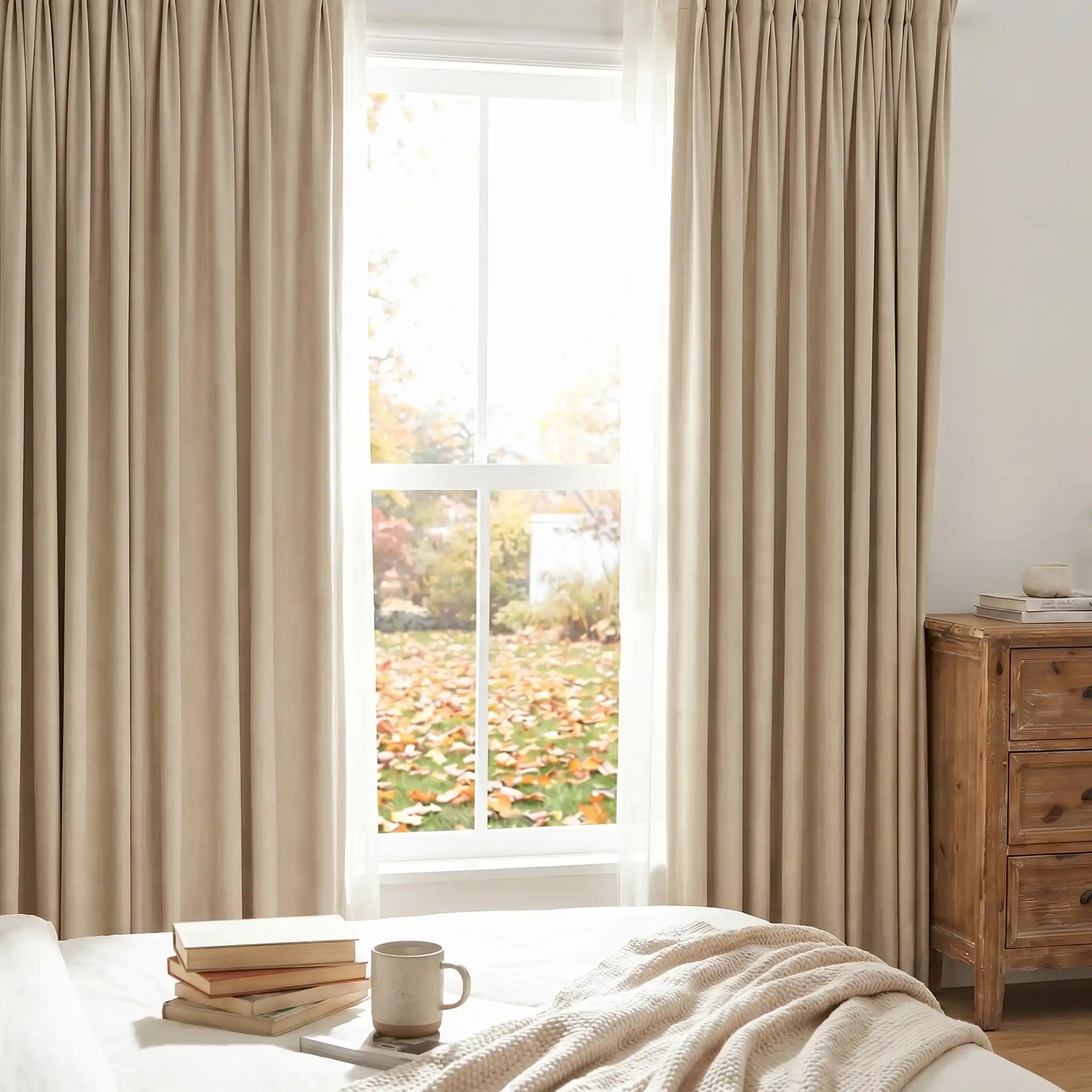
Fabric & Light Control

What Fabrics Are Best for Lightweight Bedroom Curtains
Choosing the best fabric for lightweight bedroom curtains is not only about picking linen, cotton, voile, or polyester. The better starting point is how you actually use your bedroom. A curtain that works beautifully in a quiet guest room may not be practical for a busy family bedroom, a humid coastal home, or a space used for daytime sleeping. Lightweight curtain fabrics can soften sunlight, improve privacy, add texture, and make a bedroom feel more relaxed. The key is to match the fabric to your lifestyle, sleep habits, interior style, and maintenance expectations. Here’s a practical guide to help you make a confident choice. Start with Your Lifestyle, Not the Fabric Before comparing fabric names, think about what your curtains need to do every day. Bedroom curtains are part of your routine, not just part of the décor. Why Your Daily Routine Matters More Than Fabric Names A fabric may look good online, but it still needs to fit your daily life. Some people open and close curtains several times a day. Others leave them mostly in place. Some bedrooms need privacy from nearby buildings, while others simply need soft light and a finished look. For example: A busy family bedroom may need washable, wrinkle-resistant fabric. A sunny bedroom may need fade-resistant or UV-resistant material. A small bedroom may benefit from sheer or semi-sheer fabrics that keep the room open. A sleep-focused bedroom may need lightweight curtains paired with blackout lining. The best lightweight bedroom curtain fabric is the one that performs well in your real living environment. Questions to Ask Before Choosing Bedroom Curtains Before buying, ask a few simple questions: How much sunlight does the room get? Strong sun may require fade-resistant or lined fabrics. Do you need privacy during the day or at night? Sheer fabrics are better for daytime softness, while semi-sheer or layered curtains offer more coverage. How often will the curtains be cleaned? Washable fabrics are better for homes with pets, children, dust, or allergies. Do you prefer a crisp look or a relaxed look? Linen looks natural but wrinkles easily. Polyester blends usually look neater with less effort. Is the room humid? Breathable and quick-drying fabrics are better for humid climates. Matching Curtain Performance to Real-Life Needs Here is a simple way to think about fabric choice: Need Best Fabric Direction Why It Works Easy care Polyester blends, cotton blends Washable and more wrinkle-resistant Natural texture Linen, linen blends Breathable with visible texture Bright, airy look Voile, sheer polyester, cotton voile Lets in more daylight Better privacy Semi-sheer blends, textured linen More coverage than thin sheers Long-term durability Polyester blends, tightly woven cotton Holds shape better under daily use This helps narrow the choice before you get lost in fabric samples. Best Lightweight Curtain Fabrics for Busy Households Busy households need curtains that are easy to live with. The fabric should handle regular use, occasional washing, and daily movement without becoming a maintenance project. Low-Maintenance Options That Require Minimal Ironing If you want curtains that look neat with little effort, polyester blends are often the most practical option. Modern polyester curtains can be soft, light, and visually refined while still resisting wrinkles better than many natural fabrics. Good low-maintenance choices include: Polyester voile Polyester-linen blends Cotton-polyester blends Microfiber lightweight curtains Textured synthetic sheers These fabrics usually hang well after washing and often need only light steaming. Easy-to-Clean Fabrics for Everyday Use For bedrooms used daily, washable fabrics are a major advantage. Curtains collect dust, pollen, pet hair, and fabric odors over time, especially in rooms with open windows. Easy-clean fabric options include: Cotton blends for softness and washability Polyester blends for quick drying Synthetic sheers for lightweight handling Linen blends for easier care than pure linen Pure linen and delicate voile may require more careful washing. Always check the care label before buying, especially if machine washing is important. Durable Materials for Long-Term Performance Durability depends on fiber strength, weave quality, and how often the curtains are opened, washed, or exposed to sunlight. For long-term use, consider: Tightly woven polyester blends Cotton-polyester blends Linen-polyester blends Fade-resistant synthetic sheers Fabrics with reinforced headers A durable lightweight curtain should hold its shape, resist fraying, and move smoothly on the rod or track. Choosing Fabrics Based on Sleep Preferences Your sleep habits should strongly influence curtain fabric selection. A person who enjoys waking up naturally needs a different curtain from someone who needs complete darkness after a night shift. For People Who Enjoy Waking Up with Natural Sunlight If you like the room to brighten gradually in the morning, lightweight sheer or semi-sheer fabrics are a good fit. Suitable options include: Voile Sheer cotton Lightweight linen blends Polyester sheers Semi-sheer textured fabrics These fabrics allow daylight to enter while softening glare. They create a gentle morning atmosphere rather than a sharp burst of sunlight. For Light-Sensitive Sleepers Light-sensitive sleepers may find lightweight curtains alone too bright. In this case, the best solution is usually not to avoid lightweight fabrics, but to pair them with a second layer. A practical setup includes: Sheer or semi-sheer curtains for daytime Blackout lining or blackout curtains for night A double rod or dual-track system Neutral colors to keep the bedroom calm This gives you soft daylight when you want it and stronger light control when you need sleep. For Shift Workers Who Sleep During the Day Shift workers usually need more serious light control. Lightweight curtains can still be part of the room design, but they should not be the only layer. Recommended fabric strategy: Use lightweight sheers for normal daytime use. Add blackout-lined curtains for sleeping hours. Choose dense outer fabric to reduce light leaks. Install curtains wider and higher than the window frame. Fabric choice matters, but installation is just as important. Even good blackout fabric will not work well if light enters around the edges. For Couples with Different Light Preferences Couples often have different preferences. One person may want morning light, while the other needs a darker room. Layered curtains are usually the best compromise. Good combinations include: Sheer voile with blackout drapes Linen blend with privacy lining Semi-sheer curtains with roller shades Lightweight cotton panels with a separate blackout layer This allows one layer to support brightness and the other to support sleep comfort. Which Curtain Fabrics Are Best for Different Interior Styles? Curtain fabric affects the mood of a bedroom. The same white curtain can feel casual, polished, rustic, or luxurious depending on its texture and drape. Scandinavian Bedrooms Scandinavian bedrooms usually focus on light, simplicity, and natural materials. The best fabrics are soft, breathable, and not overly decorative. Good choices include: Linen Linen-cotton blends White voile Light beige cotton Semi-sheer textured fabrics Colors such as warm white, oatmeal, pale gray, and soft beige work especially well. Minimalist Interiors Minimalist bedrooms need curtains that look clean and controlled. Avoid heavy texture, bold patterns, or overly decorative headers. Best fabric options: Smooth polyester sheers Fine cotton blends Plain semi-sheer fabrics Lightweight ripple-fold curtain fabrics Soft matte synthetic blends The goal is to support the room quietly rather than draw too much attention. Modern Farmhouse Spaces Modern farmhouse bedrooms often combine comfort, texture, and a relaxed lived-in feel. Linen and cotton are natural fits. Suitable fabrics include: Washed linen Cotton-linen blends Textured cotton Natural beige semi-sheers Light woven fabrics These materials pair well with wood furniture, warm neutrals, woven rugs, and simple bedding. Coastal-Inspired Bedrooms Coastal bedrooms benefit from fabrics that feel breezy and relaxed. The curtain should move easily and let in enough light to keep the room fresh. Good options include: Voile Sheer linen Cotton voile White or ivory sheers Light blue or sand-colored semi-sheers Avoid fabrics that feel too glossy or stiff. Coastal style usually works best with soft movement and natural texture. Contemporary Luxury Designs Contemporary luxury bedrooms often use layered curtains. The lightweight fabric is usually the inner layer, paired with a heavier outer drape or blackout panel. Good lightweight fabric choices include: Fine sheers Smooth voile Textured linen sheers High-quality polyester sheers Soft semi-transparent blends In luxury interiors, fabric quality and drape matter more than pattern. A plain fabric with beautiful movement often looks more refined than a busy design. How Fabric Texture Changes the Feel of a Bedroom Texture is one of the most overlooked parts of curtain selection. Two fabrics can have the same color and weight but create completely different effects in a room. Smooth vs Textured Materials Smooth fabrics feel clean, simple, and modern. They are useful when you want the curtains to blend into the room. Textured fabrics add depth and warmth. Linen, slub cotton, and woven blends can make a bedroom feel more natural and comfortable. A simple comparison: Texture Type Best For Bedroom Effect Smooth voile Minimalist, contemporary rooms Clean and airy Textured linen Natural, Scandinavian, farmhouse rooms Warm and relaxed Cotton weave Casual bedrooms Soft and familiar Fine synthetic sheer Modern apartments Light and low-maintenance Slub fabric Organic-style interiors Natural and tactile Texture becomes especially important when curtains are in neutral colors. Soft Drape vs Structured Appearance Some fabrics fall loosely and create a relaxed look. Others hold more shape and create cleaner vertical lines. Soft drape works well for airy, casual, or romantic bedrooms. Structured drape works better for modern, tailored, or hotel-inspired spaces. Voile and soft sheers usually create movement. Cotton blends and structured polyester fabrics create a neater outline. Creating a Cozy or Airy Atmosphere If you want the bedroom to feel cozy, choose fabrics with visible weave, warmer tones, or slightly heavier semi-sheer construction. If you want the room to feel airy, choose: Pale colors Transparent or semi-transparent weaves Smooth lightweight fabrics Floor-length panels with soft movement The fabric should support the feeling you want the room to have throughout the day. Visual Warmth Versus Visual Openness Textured fabrics add visual warmth. Sheer and smooth fabrics create visual openness. Neither is better in every case. For example: A small city bedroom may need visual openness. A large bedroom with plain walls may need warmth. A coastal room may need both softness and airiness. A modern luxury bedroom may need smooth layers with controlled fullness. This is why fabric texture should be considered together with room size and furniture style. Performance Features Worth Looking For Lightweight curtains do not have to be only decorative. A good fabric can also handle sunlight, dust, and daily use better. These small fabric details can make the curtains easier to live with and help them last longer. UV-Resistant Fabrics UV-resistant fabric is made to stand up better to sunlight. It is a smart option for bedrooms that get strong sun during the day, especially south-facing or west-facing windows. It can help reduce: Weakening of the fabric Color changes over time Yellowing on pale curtains Early fabric wear This matters most in rooms where the curtains sit in direct sunlight for several hours. Fade-Resistant Materials If you plan to use colored curtains, fade resistance is worth considering. Sun can slowly dull or change the color, and deeper shades usually show this more clearly. Fade-resistant fabrics are useful for: Blue, green, gray, or warm-colored curtains Bedrooms with plenty of sunlight Wide or tall windows Curtains you want to keep for years Light beige, white, or cream curtains may hide fading better, but stronger fade resistance still helps the fabric look better for longer. Anti-Static Finishes Anti-static curtains tend to pick up less dust, lint, and small fibers. This can be helpful in dry bedrooms or rooms with synthetic bedding, rugs, or upholstered pieces. This finish is often used on polyester or blended fabrics. It can make the curtains look cleaner between regular washing or light cleaning. Dust-Resistant Weaves Some fabrics hold dust more easily because of their surface or weave. Very textured materials can trap small particles, while smoother fabrics are often easier to clean. For better dust control, look for: Smooth fabric surfaces Close, tight weaves Washable blended fabrics Anti-static properties Materials that can be lightly vacuumed with a brush tool This is especially useful in bedrooms where dust or allergies are a concern. Wrinkle-Resistant Fabrics Wrinkle-resistant fabric is practical if you do not want to steam or iron curtains often. Some lightweight curtains crease quickly, which can make the room look less tidy. Good options often include: Polyester blends Treated cotton blends Linen mixed with polyester Certain microfiber fabrics Firmer semi-sheer materials Pure linen wrinkles more easily. That natural, casual look can be attractive, but it is not the easiest choice for every home. How Curtain Fabrics Affect Indoor Air Quality Curtains can change how clean and airy a bedroom feels. The fabric, weave, washing routine, and how well the material handles moisture all make a difference. Breathable Textiles Breathable curtains let air pass through more easily. Linen and cotton are common choices for this, especially in warm or humid bedrooms. They can make a room feel: Fresher Less closed-in More comfortable in hot weather Better for natural airflow Still, breathable fabrics are not always the easiest to care for. Natural materials may need gentler washing and more attention. Dust Accumulation Differences Every curtain gathers dust over time. The difference is how much dust the fabric holds and how easy it is to remove. Smooth synthetic sheers are usually easier to shake out or wash. Textured linen can trap dust inside the weave. Heavy curtains often collect more dust because there is more fabric surface. Washable lightweight curtains are easier to clean more often. For bedrooms, a simple cleaning routine is usually more important than the fabric label. Allergy-Friendly Fabric Choices If dust, pollen, or pet hair is a concern, choose curtains that are easy to wash and quick to dry. Fabrics that hold less dust are better for allergy-sensitive bedrooms. Good choices include: Washable polyester sheers Cotton blends Smooth semi-sheer fabrics Anti-static synthetic blends Lightweight fabrics that dry fast Avoid curtains that are hard to clean if the bedroom needs regular dust control. Moisture Management in Humid Environments In humid rooms, curtains should dry quickly and avoid holding damp smells. Thick fabrics or slow-drying materials can become a problem when airflow is poor. Better options for humid bedrooms include: Lightweight polyester blends Cotton-polyester blends Quick-drying sheers Linen blends with good airflow Fabrics that can be washed often Air movement around the window also matters. Curtains should not be pressed tightly against damp glass or walls. Budget vs Premium Fabrics—What Are You Really Paying For? Curtain fabric prices can vary a great deal. A higher price often comes with better materials or finishing, but it does not automatically make the fabric the right choice. For a bedroom, the fabric should look right, wear well, and be practical to maintain. Material Quality Premium fabrics may use higher-grade fibers, finer yarns, or a more consistent weave. These details can affect how smoothly the curtain hangs and how the fabric feels. Budget fabrics can still be suitable for guest rooms, rentals, or bedrooms with lighter use. The main point is whether the fabric fits the room’s needs. Fabric Construction Construction has a direct effect on drape, strength, and appearance. A lightweight curtain should feel soft, but it should not feel too loose or fragile. Look for: Even weave Consistent color Clean seams Reinforced header Stable shape when hung No obvious stretching or twisting Good construction often matters more than the fabric label. Longevity Premium lightweight curtains may last longer because they usually resist fading, tearing, and shape loss better. This can make the higher cost more reasonable if you plan to keep them for years. If you change your décor often, a washable mid-range fabric may be more practical than an expensive specialty textile. Maintenance Costs Some premium fabrics require dry cleaning or careful steaming. This adds extra cost and effort over time. Before choosing a costly fabric, consider: Cleaning method Shrinkage risk Stain sensitivity Wrinkle behavior Whether it can handle daily use A fabric may look elegant, but it also needs to suit the way the bedroom is used. Appearance Over Time The real test is how the curtain looks after regular use. Good fabric should keep its shape, color, and texture. When comparing budget and premium options, do not rely only on the first look. Think about how the fabric will handle washing, sunlight, and daily movement. How to Mix Different Curtain Fabrics for Better Functionality Layering fabrics is one of the most effective ways to improve bedroom comfort. Instead of expecting one fabric to handle every need, you can combine materials for light, privacy, insulation, and style. Sheer + Linen Combinations A sheer and linen combination works well in natural, relaxed bedrooms. The sheer layer keeps the room bright, while the linen layer adds texture and privacy. This pairing is ideal for: Scandinavian bedrooms Coastal interiors Organic modern spaces Rooms that need softness without heaviness Choose similar undertones so the layers feel connected. For example, warm white sheers with oatmeal linen panels. Lightweight Fabric + Blackout Liner A lightweight curtain with a blackout liner offers a practical balance. From the room side, the curtain can still look soft and refined, while the liner adds sleep comfort. This setup works well for: Light-sensitive sleepers Children’s rooms Street-facing bedrooms East-facing windows Shift workers The liner can be built into the curtain or added as a separate layer. Layering for Year-Round Comfort Layering helps curtains adapt to seasonal changes. In summer, the lightweight layer can reduce glare while keeping the room bright. In winter, the heavier or lined layer can help retain warmth. A flexible year-round setup may include: Sheer inner curtains Semi-sheer or linen middle layer Blackout or lined outer drapes Dual rod or track system Not every room needs three layers, but two layers are often very useful. Decorative and Functional Fabric Pairings A good curtain combination should look intentional. One layer can be decorative, while the other handles performance. Examples include: Fabric Pairing Best Use Main Benefit Voile + blackout drape Sleep-focused bedrooms Bright by day, dark by night Sheer polyester + linen blend Everyday bedrooms Easy care with natural texture Cotton sheer + lined cotton panel Family bedrooms Soft look with better coverage Smooth sheer + velvet outer drape Luxury bedrooms Lightness plus depth Semi-sheer + roller shade Minimalist interiors Clean look with flexible privacy The best combinations are simple, practical, and easy to operate. For lightweight bedroom curtains, the best fabric is usually the one that fits your daily habits. Some rooms need soft daylight in the morning, some need more privacy at night, and some simply need curtains that are easy to wash and keep looking neat. Cotton blends and polyester blends are sensible options for everyday use because they are usually easier to care for. Linen and linen blends bring a more natural texture and a relaxed look. Voile and sheer fabrics are better when you want the bedroom to stay bright, airy, and open. When sleep quality is the priority, lightweight curtains can also work well with a blackout liner or a second, heavier layer. In the end, bedroom curtains should do more than decorate the window. DWCN provides lightweight curtain choices that help balance comfort, style, and practicality, so the room can feel softer during the day and more restful when it is time to sleep.
Learn more
Beat the Heat: Your Ultimate Guide to Summer Bedroom Curtains
Summer sunshine is glorious, but when it invades your bedroom sanctuary turning it into a furnace by 7 AM, it’s time for strategic curtain choices! The right curtains aren't just décor; they're your frontline defense against heat, glare, and restless nights. Let’s dive into the key factors: color and material. 1. Color: Your Secret Weapon Against the Sun Think of your curtains as solar reflectors (or absorbers). Color choice dramatically impacts room temperature: Light & Reflective Reign Supreme: Whites & Ivories: The ultimate heat reflectors. They bounce sunlight back out, keeping the room significantly cooler. They also create a bright, airy, clean feel – perfect for a summer vibe. Think crisp cotton or breezy linen in white. Pastels (Soft Blues, Lavenders, Mint Greens, Pale Yellows): Gentle on the eyes and excellent at reflecting heat. They add a touch of soothing color without the thermal penalty of darker shades. Perfect for creating a calm, cool retreat. Light Neutrals (Beige, Taupe, Stone): Offer warmth without the heat absorption. They blend easily with existing décor and provide good reflective properties. Avoid (or Strategize with) Dark Colors: Deep Blues, Charcoals, Blacks, Rich Reds: These absorb and trap heat, radiating it into your room. While great for winter insulation or creating a dramatic, cozy feel, they can make a summer bedroom stifling. The Exception: If you need a dark room for sleeping (night shift workers, light-sensitive individuals), pair very dark curtains with a light-colored lining. The dark outer face blocks light, while the light lining facing the window reflects heat away from the room. Look for curtains specifically designed with thermal or reflective linings. 2. Material: The Breath of Fresh Air The fabric itself dictates breathability, light filtration, and overall feel: Champions of Cool & Breezy: Linen: The undisputed summer king. Naturally breathable, moisture-wicking, and textured, allowing air to circulate beautifully. It diffuses light softly, creating a relaxed, elegant look. Wrinkles are part of its charm! (Think rustic villa vibes). Cotton: A classic, versatile choice. Opt for lighter weaves like cotton voile or cotton gauze for maximum airiness and light diffusion. Easy to care for and comes in countless colors/patterns. Perfect for a casual, fresh feel. Sheers (Polyester, Cotton, Linen blends): Essential for maintaining light and view while offering some privacy and diffusing harsh glare. Layer them under heavier curtains or use alone for an ethereal, open feel. Excellent for daytime when you want sunlight but not the intense heat or UV. Bamboo/Roman Shades (as an alternative): While not curtains per se, natural woven bamboo or light-colored Roman shades offer fantastic light control, texture, and breathability. They can be paired with side panels for a layered look. Materials to Tread Lightly With: Heavy Velvet/Brocade: Gorgeous for drama, but they trap heat and block all air movement. Save these for winter or formal rooms rarely used in summer heat. Thick Synthetic Blends (without specific cooling tech): Some cheap synthetics can feel plasticky and trap heat. They may also fade quickly in strong sun. Unlined Heavy Curtains: Even in a lighter color, a heavy, unbreathable weave will still act as an insulator, holding heat in. The Blackout Question: Pros: Essential for shift workers, babies, or anyone needing pitch darkness for sleep. Blocks all light and provides significant insulation (good for AC efficiency). Cons: Often made from thicker, less breathable materials (polyester blends). Can feel heavy and trap heat if they don't have a reflective coating on the window-facing side. Summer Solution: Look for light-colored blackout curtains (white, ivory, light grey) with a reflective thermal backing. This ensures they block light and reflect solar heat away. Layer them over light-filtering sheers for flexibility – sheer for daytime ambiance, blackout for sleep. Beyond Color & Material: Pro Tips for Summer Success Light Filtering vs. Room Darkening vs. Blackout: Know your sleep needs! Sheers filter light beautifully. Room-darkening fabrics block most light. Blackout blocks all. Length & Fullness: Floor-length curtains help insulate better. Fuller panels (wider than the window) look luxurious and provide better coverage when closed. Layering: The ultimate summer strategy! Combine lightweight sheers (for daytime light and privacy) with light-colored, breathable blackout panels (for sleep). This offers maximum flexibility and climate control. Lining: A light-colored, reflective lining (like white thermal backing) is crucial for any curtain aiming to combat heat, especially if the outer fabric is medium-toned. Hardware: Use tiebacks or holdbacks to neatly secure curtains during the day, maximizing airflow through open windows. UV Protection: Look for fabrics offering UV protection to prevent your furniture and flooring from fading. The Perfect Summer Curtain Recipe: For most bedrooms, aim for light-colored (white, ivory, pastel) curtains in a natural, breathable material like linen or lightweight cotton. If you need darkness, choose light-colored blackout curtains with a reflective thermal lining. Don't forget the power of layering with breezy sheers! By choosing wisely, your curtains become more than window dressing; they transform your bedroom into a cool, comfortable, and light-controlled haven, ensuring you wake up refreshed, not frazzled, all summer long. Sweet (and cool) dreams!
Learn more
Curtains with Tiebacks: Sculpting Light & Style with the Perfect Tieback
There’s a moment in every well-designed room where the curtains are pulled back just so — gathered into an elegant swag that frames the window like a painting. That’s the tieback at work. Far more than a functional accessory, the right tieback transforms how your curtains look, how much light enters the room, and how the entire space feels. Whether you’re working with the best blackout curtains, flowing sheers, or luxurious velvet drapes, understanding how to use tiebacks effectively is one of the simplest ways to elevate your window treatment game. Why Tiebacks Matter More Than You Think Most people think of tiebacks as purely functional — a way to hold curtains open during the day. But their impact goes much deeper. The placement of a tieback determines the silhouette of the curtain: high tiebacks create a dramatic, hourglass shape with a generous puddle at the bottom; low tiebacks give a more casual, relaxed look with fabric flowing freely from the top. For the best curtains for living room spaces, tiebacks are often the finishing touch that takes a window treatment from “good” to “great.” They add visual interest, create movement, and let in significantly more natural light than curtains left hanging straight. How to Style Blackout Curtains with Tiebacks Blackout curtains are often associated with a heavy, utilitarian look — but tiebacks change everything. How to style blackout curtains with tiebacks: pull the panels back to about one-third of the window width on each side, securing them at roughly two-thirds of the curtain height. This creates a graceful curve that softens the weight of the fabric while still allowing the curtains to be drawn fully closed at night. For best blackout curtains for bedroom windows, tiebacks are especially useful: they let in morning light when you want it while keeping the option of total darkness for sleep. It’s the most practical and stylish solution for bedrooms that need both light and darkness at different times of day. How to Style Sheer Curtains with Tiebacks Sheer curtains and tiebacks are a classic pairing. How to style sheer curtains with tiebacks: because sheers are lightweight and translucent, tiebacks create a soft, romantic silhouette that’s particularly beautiful in living rooms, dining rooms, and bedrooms. Try tying them back asymmetrically — one panel pulled back, one left hanging — for a relaxed, artistic look. The best sheer curtains for bedroom windows look especially beautiful with fabric tiebacks in a matching or complementary color, creating a cohesive, intentional aesthetic. How to Layer Sheer and Blackout Curtains with Tiebacks The most versatile window treatment setup combines both: sheer panels on an inner rod, blackout curtains on an outer rod, with tiebacks for the blackout layer. How to layer sheer and blackout curtains with tiebacks: during the day, tie back the blackout panels to reveal the sheers behind. At night, release the tiebacks and draw the blackout curtains closed for complete privacy and darkness. This layered approach works beautifully as best curtains for bedroom windows, giving you complete control over light and privacy throughout the day without sacrificing style. Tieback Placement: Getting the Height Right Tieback height dramatically affects the look of your curtains. Here’s a quick guide: High tiebacks (two-thirds up the curtain): Creates a dramatic, formal silhouette with a generous sweep of fabric at the bottom. Best for tall windows and formal living rooms. Mid-height tiebacks (halfway up): The most balanced and versatile option. Works in almost any room and with any curtain style. Low tiebacks (one-third up): Casual and relaxed, with most of the fabric hanging freely. Works well with lightweight sheers and linen curtains. Tieback Materials & Styles The tieback itself is a design element. Choose one that complements your curtain fabric and room style: Fabric tiebacks: Soft and elegant, often made from the same fabric as the curtain. The most classic choice for best linen curtains and velvet drapes. Rope or tassel tiebacks: Add a decorative, artisanal quality. Beautiful with linen and cotton curtains. Metal holdbacks: Sleek and contemporary, mounted directly to the wall. Work well with grommet curtains and modern interiors. Magnetic tiebacks: Practical and invisible — the magnets hold the curtain in place without any visible hardware. Tiebacks for Different Window Types How to Style Curtains for Large Windows For how to style curtains for large windows, use tiebacks to create a grand, symmetrical frame. Pull each panel back generously — at least one-third of the window width — and secure at mid-height or higher. This maximizes the view and light while maintaining the visual weight that large windows need. How to Style Curtains for French Doors How to style curtains for French doors with tiebacks: mount tiebacks directly on the door or on the wall beside the door frame. Keep the tieback low enough that the curtain clears the door handle when pulled back. Lightweight linen or sheer panels work best for French doors — heavy fabrics can interfere with door operation. How to Style Curtains for Sliding Glass Doors For how to style curtains for sliding glass doors, tiebacks are especially practical: they keep the curtain panels stacked neatly to one side when the door is in use. Use a single tieback per panel, positioned at mid-height, to create a clean stack that doesn’t interfere with the door’s operation. FAQ: Curtains with Tiebacks How high should tiebacks be placed? The most flattering placement for most curtains is at two-thirds of the curtain height — so if your curtains are 96 inches long, place the tieback at about 64 inches from the floor. Adjust up or down based on the silhouette you want: higher for drama, lower for a relaxed look. Are curtains with tiebacks worth it for bedrooms? Absolutely. Tiebacks let you maximize morning light while keeping the option of full darkness for sleep. The best blackout curtains for bedroom windows with tiebacks give you complete flexibility — open and bright during the day, dark and private at night. How to choose curtains with tiebacks for a living room? For how to choose living room curtains with tiebacks, consider the weight of the fabric. Heavier fabrics like velvet and linen create more dramatic tiebacks; lighter sheers create a softer, more romantic effect. Match the tieback material to the curtain fabric for a cohesive look. Can I add tiebacks to curtains that didn’t come with them? Yes — tiebacks are sold separately and can be added to any curtain. Fabric tiebacks, rope tiebacks, and metal holdbacks are all available as standalone accessories. Choose a style that complements your curtain fabric and room aesthetic.
Learn more