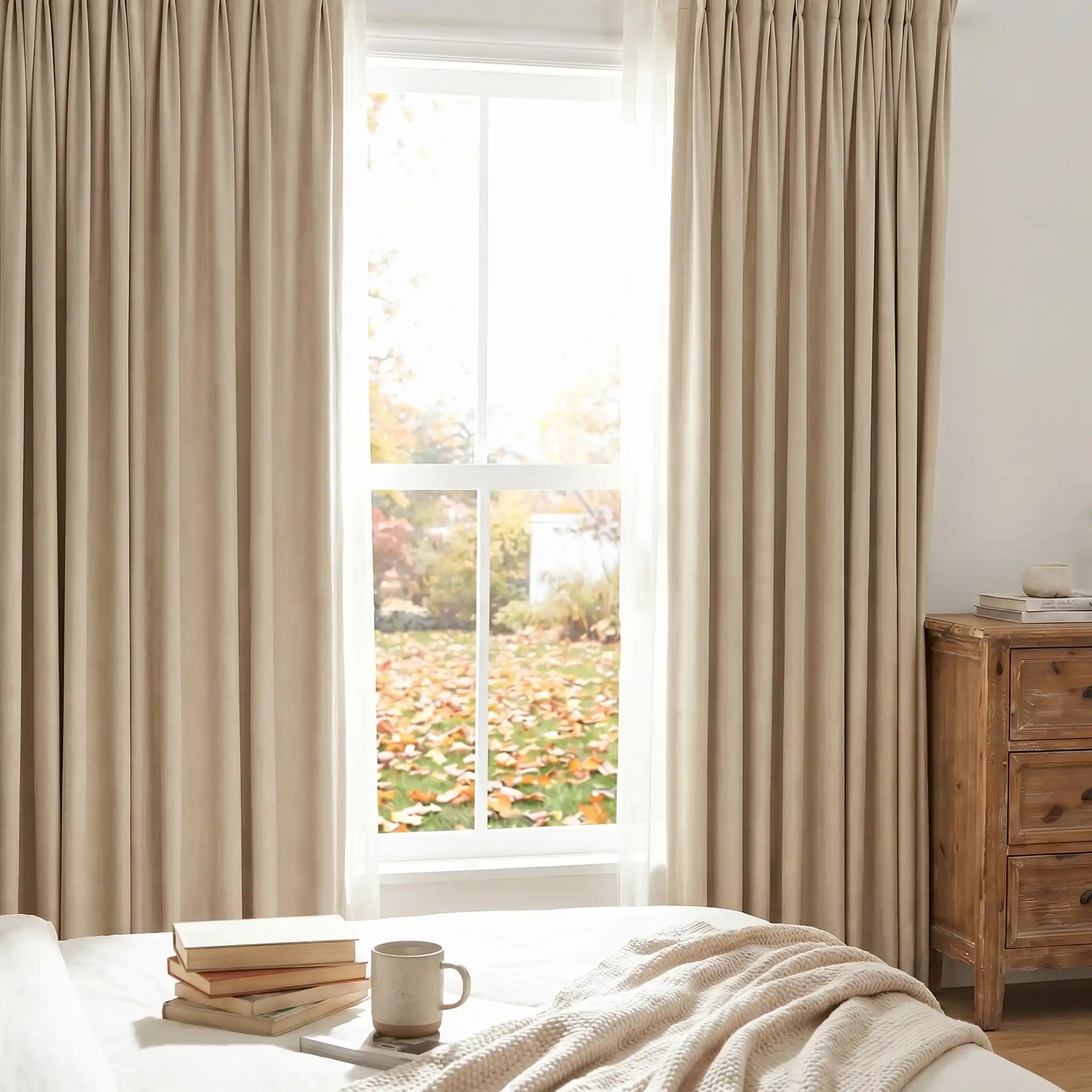

By 2026, lightweight bedroom curtains have become more than a simple décor choice. Many homeowners now use them to control natural light, maintain privacy, and create a bedroom that feels fresh, calm, and easy to live in.
Their appeal comes from the way they soften a room without making it feel heavy. A good lightweight curtain can let daylight filter through gently, reduce harsh glare, and still give the window a finished look. For modern homes that favor bright spaces and flexible layouts, this makes them a practical everyday choice.
This guide covers the main trends in lightweight bedroom curtains, from fabric selection and style direction to home-matching ideas and important buying details.
What’s New in Lightweight Bedroom Curtains for 2026?
Bedroom curtain trends in 2026 are shaped by three major priorities: natural light, sustainable materials, and smart home compatibility. Instead of choosing curtains only by color or pattern, homeowners are paying closer attention to how curtains affect daily living.
Natural Light–Driven Interior Design
Modern bedroom design continues to move away from dark, closed-off spaces. Many homeowners now prefer rooms that feel open, calm, and naturally bright.
Lightweight bedroom curtains support this trend by:
- Allowing daylight to enter the room
- Softening harsh sunlight
- Reducing glare without creating a fully dark environment
- Making bedrooms feel larger and more relaxed
Rather than relying on full blackout curtains during the day, many interiors now use light-filtering curtains to create a gentle glow. This is especially useful in bedrooms that also function as reading areas, work-from-home spaces, or relaxation zones.
Eco-Friendly Fabric Innovation
Sustainability is also influencing curtain choices. In 2026, more buyers are looking for fabrics that feel natural, last longer, and have a lower environmental impact.
Common eco-conscious curtain options include:
- Organic cotton, valued for softness and everyday comfort
- Linen blends, known for breathability and natural texture
- Recycled polyester, used for durability and easier maintenance
- Low-impact dyed textiles, designed to reduce water and chemical use
The goal is not only to choose a beautiful curtain but also to select materials that align with long-term, responsible living.
Smart Home Curtain Integration
Smart home systems are becoming more common in bedrooms, and curtains are part of that shift. Motorized curtain tracks and automated systems now work well with many lightweight fabrics.
Lightweight curtains are especially suitable for automation because they are:
- Easier for motors to move
- Less demanding on curtain tracks
- Compatible with app-based scheduling
- Often suitable for voice-controlled home systems
For people who want curtains to open gradually in the morning or close automatically in the evening, lightweight fabrics offer a practical and stylish solution.
How to Match Lightweight Curtains to Different Home Types
Lightweight bedroom curtains should be chosen with the whole home in mind, not just the window size. Different living spaces have different priorities. Some need more privacy, some need brighter daylight, and others need fabric that can handle daily use. Once the room’s role is clear, the curtain choice becomes much simpler.
Modern Apartments and Condos
Apartments and condos often work best with curtains that feel clean, light, and easy on the eye. Lightweight fabrics help soften the view outside while keeping the room open and bright.
Useful options include:
- White sheer panels for a fresh, simple look
- Linen-blend curtains for gentle texture
- Light-filtering polyester for low-maintenance use
- Ceiling-mounted panels to make the walls look taller
For windows facing nearby apartments or office buildings, semi-sheer curtains are usually a better choice than very transparent sheers. They still allow daylight in but give the room a little more privacy.
Family Homes with Flexible Bedroom Needs
In a family home, bedrooms often serve more than one purpose. A room may be used for sleep, homework, nursing, guests, or quiet downtime. Curtains in these spaces should be easy to care for and comfortable for daily living.
Good features to look for include:
- Washable fabric
- Reliable durability
- A soft, calming look
- Enough coverage for both day and night
Cotton blends, polyester blends, and linen-cotton fabrics are practical choices. They bring a relaxed bedroom feel without demanding too much upkeep.
Small Bedrooms That Need a Brighter Look
Small bedrooms can feel cramped when the curtains are too dark or heavy. Lightweight curtains help the room feel more open by letting in softened daylight and reducing visual weight around the window.
To create a more spacious effect:
- Use pale neutral shades
- Install curtains higher than the window
- Let panels reach the floor
- Avoid oversized pleats or bulky tops
- Choose fabrics that hang softly
Shades such as white, ivory, beige, pale gray, and soft pastels can make a small bedroom feel cleaner and more open.
Luxury Bedrooms with Layered Window Treatments
Luxury bedrooms often use lightweight curtains as one part of a layered window design. The lighter layer keeps the room soft and bright during the day, while heavier panels or blackout curtains create privacy and depth later on.
A layered arrangement may include:
- Sheers for filtered daylight
- Semi-sheers for daytime privacy
- Blackout curtains for sleep support
- Decorative outer panels for a richer look
This gives the room a more refined, hotel-style finish while keeping the lighting easy to adjust.
Rental Homes That Need Practical Options
Rental properties usually call for curtains that are simple to install, easy to remove, and versatile enough for changing spaces. Lightweight curtains are helpful because they work with standard hardware and are easier to handle.
Good rental-friendly options include:
- Rod pocket curtains
- Grommet panels
- Tension rod-compatible curtains
- Washable polyester or cotton blends
- Neutral colors that match different furniture
For renters, the best curtain is often the one that can move with them. A lightweight panel in a simple shade can work across bedrooms, guest rooms, and even small living spaces.
Choosing the Right Fabric for Your Lifestyle
Fabric choice is where lightweight bedroom curtains really begin. It affects the way the panels fall, how bright the room feels, how much privacy you get, and how often the curtains need care. Before choosing a color or pattern, it is worth thinking about what the fabric needs to do in daily life.
Linen for a Relaxed Natural Look
Linen has an easy, breathable quality that works beautifully in bedrooms. It does not look too formal, but it still adds texture and character to the window area. When daylight passes through linen, the room often feels softer and calmer.
Linen is a good match for:
- Organic modern bedrooms
- Coastal-style rooms
- Scandinavian interiors
- Homes that favor natural materials
The trade-off is that linen creases more than many other fabrics. Some people enjoy this slightly undone look. Others may prefer linen blends, which keep much of the texture but are usually easier to maintain.
Cotton for Soft Everyday Comfort
Cotton is a familiar and comfortable curtain fabric. It suits bedrooms that are meant to feel warm, relaxed, and easy to live in. Compared with very sheer fabrics, cotton often gives a little more coverage while still feeling light.
Cotton works well in:
- Children’s bedrooms
- Guest rooms
- Traditional bedroom styles
- Casual family homes
Pure cotton should be washed carefully because it can shrink or lose its shape. Cotton blends are often more forgiving and may stay neater after repeated use.
Voile for a Light and Airy Effect
Voile is thin, delicate, and very good at creating a bright bedroom. It lets in plenty of daylight and gives the window a soft, breezy look. In a small room, this can help the space feel less closed in.
Voile is best for:
- Bedrooms with good natural light
- Smaller spaces
- Layered curtain arrangements
- Rooms where full privacy is not essential
Because voile is very transparent, it is usually not enough by itself for a bedroom at night. It is often better used with blinds, blackout panels, or another curtain layer.
Polyester Blends for Practical Daily Use
Polyester blends are popular because they make life easier. They are durable, usually affordable, and often need less ironing than natural fabrics. Many modern polyester curtains also look softer and more refined than older synthetic options.
They suit:
- Busy households
- Rental bedrooms
- Low-maintenance interiors
- Rooms that receive strong sunlight
A good polyester blend can be machine washable, wrinkle-resistant, and long-lasting, which makes it a sensible choice for everyday bedroom use.
Sheer Fabrics for Soft Light Control
Sheer curtains are often used when the goal is to keep the bedroom bright while softening glare. They create a gentle layer at the window without making the room feel heavy.
Sheers are useful when:
- You want daylight during the day
- You plan to pair them with blackout curtains or blinds
- The bedroom faces a garden, courtyard, or quiet view
- You prefer a light, elegant window treatment
For bedrooms facing streets or nearby homes, semi-sheer curtains are usually more practical. They still allow light through, but they provide more daytime privacy than fully sheer fabrics.
Key Features That Define High-Quality Lightweight Curtains
Lightweight curtains are not just a decorative detail in the bedroom. Once they are hung, they affect how bright the room feels in the morning, how private the space is during the day, and how easy the room is to keep fresh. When choosing them, performance matters just as much as color or style.
Light Filtering and Softer Brightness
A good lightweight curtain should calm strong sunlight rather than block it completely. The fabric should spread daylight gently across the room, so the space stays bright but does not feel glaring.
It is helpful when curtains can:
- Soften direct sunlight
- Reduce glare on screens and glossy surfaces
- Create a more even indoor glow
- Keep the room from looking too pale or overexposed
This is especially important for bedrooms that face east, because morning sun can be quite intense.
Daytime Privacy with Natural Light
Privacy is one of the main reasons to pay attention to fabric density. Thin sheer curtains may look airy, but they are not always enough for bedrooms that face the street, a neighboring window, or a shared balcony.
For more privacy during the day, consider:
- Semi-sheer curtain fabrics
- Linen blends with a visible texture
- Pale curtains with a tighter weave
- A layered setup with blinds or blackout panels
At night, the situation changes. When indoor lights are on, sheer fabrics usually become easier to see through from outside. For bedroom use, pairing lightweight curtains with a second layer is often the more reliable choice.
Breathability and Room Comfort
One reason people like lightweight curtains is that they do not make the room feel closed in. Fabrics such as linen and cotton allow more air movement, which can make a bedroom feel cooler and fresher.
Breathable curtains are especially suitable for:
- Summer bedrooms
- Coastal or humid homes
- Naturally ventilated rooms
- Spaces where thick curtains feel too heavy
For rooms that often have open windows, breathable fabrics can help keep the atmosphere light and relaxed.
Wrinkle Resistance and Simple Maintenance
Curtains need to stay presentable after daily use, not just look good when first unpacked. Some fabrics wrinkle quickly or need frequent steaming, while others keep their shape with much less effort.
Useful easy-care qualities include:
- Machine-washable fabric
- Quick-drying material
- Wrinkle-resistant blends
- Easy ironing or steaming
- Good shape retention after washing
Polyester blends are usually more convenient for busy households. Linen has a natural texture, but it often requires more care because creases show more easily.
Fade Resistance for Sunny Windows
Strong sunlight can gradually affect curtain fabric. In bright bedrooms, some materials may fade, yellow, or become weaker after long exposure.
To help curtains last longer:
- Choose fade-resistant fabrics
- Use lighter colors in rooms with strong sunlight
- Add UV-filtering window film if needed
- Follow the care label when washing
- Rotate curtain panels if one side gets more sun
Light-colored curtains usually hide fading better than dark colors, so they are often a practical choice for sunny bedrooms.
Washability and Everyday Freshness
Bedroom curtains can collect dust, pollen, and odors over time. Washable curtains are easier to keep clean, especially in homes with children, pets, or people with allergies.
Before choosing, check:
- Whether the curtains are machine washable
- Recommended washing temperature
- Drying method
- Possible shrinkage
- Whether steaming or ironing is required
A curtain that fits your cleaning habits will be easier to live with and more useful in the long run.
Color Trends for Lightweight Bedroom Curtains in 2026
Color has a bigger impact on lightweight bedroom curtains than many people expect. Because thin fabrics let daylight pass through, the same curtain can look different in the morning, afternoon, and evening. A shade that feels soft in store photos may appear warmer, cooler, brighter, or more transparent once it is hanging at home.
Neutral Shades for a Clean Bedroom Look
Neutral curtains are a safe and flexible choice, especially for minimalist or modern bedrooms. They do not compete with furniture, bedding, or wall colors, so the whole room feels quieter and more pulled together.
Common neutral choices include:
- Warm white
- Ivory
- Sand
- Stone gray
- Oatmeal
- Soft taupe
These tones work well when the goal is a bedroom that feels calm, open, and easy to update over time. They are also useful if you like changing bedding or decor seasonally.
Warm Earth Tones for a Cozy Feel
Earth-inspired colors are a good option when you want the bedroom to feel warmer and more grounded. They pair naturally with wood furniture, woven rugs, rattan details, and linen bedding.
Popular earth tones include:
- Clay
- Terracotta
- Warm beige
- Mushroom
- Desert sand
- Soft brown
These shades add depth without making lightweight curtains feel heavy. They are especially effective in rooms with natural textures or warm-toned flooring.
Soft Pastels for Gentle Color
Pastel curtains can add color without making the bedroom feel busy. Instead of creating a strong statement, they bring a softer mood to the space.
Good pastel options include:
- Dusty pink
- Powder blue
- Pale lavender
- Soft peach
- Muted mint
Pastels usually work best with simple bedding, white or pale walls, and light wood furniture. The result feels fresh, quiet, and suitable for a restful bedroom.
Greens and Blues Inspired by Nature
Green and blue curtains are often chosen for bedrooms because they feel calm and natural. In 2026 bedroom design, these shades continue to be popular because they support a relaxed, sleep-friendly atmosphere.
Popular choices include:
- Sage green
- Misty blue
- Seafoam
- Eucalyptus
- Soft teal
- Pale sky blue
These colors look especially good on linen, cotton, voile, or textured sheer fabrics. They also pair well with plants, natural bedding, and soft neutral walls.
Matching Curtains with the Rest of the Room
Curtains do not have to match the bedroom exactly. In many cases, they look more natural when they simply relate to the colors already in the room.
A practical way to coordinate curtains is to connect them with:
- The undertone of the wall color
- Bedding or duvet shades
- Area rug colors
- Wood flooring or furniture tones
- Accent pillows, throws, or artwork
For a soft and calm look, choose curtains one or two shades lighter than the wall color. For more visual interest, choose a gentle complementary tone that still feels connected to the room.
Curtain Size and Hanging Style for Modern Bedrooms
Size and hanging style can completely change the way lightweight bedroom curtains look. Even affordable curtains can appear more refined when measured and installed correctly.
Floor-Length Curtains for Elegant Flow
Floor-length curtains are one of the most popular choices for modern bedrooms. They create a graceful vertical line and make the window feel larger.
Common floor-length styles include:
- Curtains that just touch the floor
- Curtains that hover slightly above the floor
- Curtains with a small fabric break at the bottom
For lightweight curtains, a slight floor touch often looks soft and natural without appearing messy.
Sill-Length Curtains for Compact Spaces
Sill-length curtains are practical for small rooms, children’s bedrooms, and spaces where furniture sits below the window.
They are useful when:
- A desk is placed under the window
- A radiator or heater is below the sill
- Floor-length curtains are not practical
- The room needs a simple, casual look
Sill-length curtains may feel less formal, but they can work well in compact bedrooms.
Ceiling-to-Floor Designs for Visual Height Enhancement
Mounting curtains close to the ceiling is a simple way to make a bedroom appear taller. This works especially well with lightweight fabrics because they create a clean, flowing line.
For best results:
- Install the rod or track higher than the window frame
- Extend the rod wider than the window
- Choose full-length panels
- Avoid overly heavy fabric pooling
This technique is especially effective in apartments and small bedrooms.
Header Styles That Influence Modern Aesthetics
The curtain header affects both style and function. It determines how the curtain hangs, moves, and fits the overall design.
Common header styles include:
| Header Style | Best For | Visual Effect |
|---|---|---|
| Rod pocket | Casual bedrooms and rentals | Soft and simple |
| Grommet | Modern interiors | Clean, even folds |
| Pinch pleat | Elegant bedrooms | Structured and tailored |
| Ripple fold | Contemporary spaces | Smooth, hotel-like waves |
| Tab top | Relaxed interiors | Informal and decorative |
For a modern bedroom, ripple fold and grommet styles are especially popular because they look neat and are easy to operate.
Layering Strategies for Flexible Light and Privacy Control
Layered curtains are becoming a very practical choice for bedrooms in 2026. Instead of relying on one fabric to handle light, privacy, and sleep needs all at once, many people are using two or more layers. This makes the window area more flexible and often gives the room a softer, more finished look.
Pairing Sheer and Semi-Sheer Curtains
A sheer and semi-sheer combination is a simple way to add depth without making the bedroom feel heavy. The sheer layer keeps daylight soft and open, while the semi-sheer layer gives a little more coverage when privacy is needed.
This setup works especially well for:
- Bedrooms with large windows
- Rooms facing nearby buildings
- Minimalist or soft modern interiors
- Spaces that need adjustable daylight control
Two lightweight layers can often feel more comfortable than one thick curtain, especially in rooms where airflow and natural light are important.
Adding a Blackout Layer for Better Sleep
Lightweight curtains are useful during the day, but they usually cannot create enough darkness at night or early morning. Adding a blackout curtain or liner gives the room better sleep support while still allowing you to enjoy lighter fabrics during the day.
A practical layered setup may include:
- Sheer curtains for daytime light
- Blackout curtains or liners for night use
- A double rod or double curtain track
- Separate movement for each curtain layer
This arrangement is helpful for shift workers, light-sensitive sleepers, children’s rooms, and bedrooms exposed to streetlights or bright outdoor lighting.
Curtains That Shift from Day to Night
A good bedroom curtain system should change with the rhythm of the day. In the morning, the room may need soft daylight. In the afternoon, glare control may matter more. At night, privacy and darkness become the priority.
Here is a simple example:
| Time of Day | Curtain Setup | Main Benefit |
|---|---|---|
| Morning | Sheers open or partly closed | Gentle daylight |
| Afternoon | Lightweight curtains closed | Reduced glare |
| Evening | Sheer plus privacy layer | Better coverage |
| Night | Blackout layer closed | Darker sleep environment |
This approach gives more control without needing to replace curtains for different needs.
Creating a Hotel-Style Bedroom
Many hotel rooms use layered curtains because they need to feel comfortable at different times of day. The same idea works well at home, especially in bedrooms where you want both softness and function.
To create a hotel-inspired look:
- Hang curtains from ceiling to floor
- Use a sheer layer closest to the window
- Add a blackout or heavier outer layer
- Keep the color palette calm and coordinated
- Choose a track system for smoother opening and closing
The result is a bedroom that feels more polished, comfortable, and practical for everyday use.
By 2026, lightweight bedroom curtains are being chosen with more care than ever. People still want them to look good, of course, but the bigger question is how they change the room in daily life. The best options let in a comfortable amount of daylight, soften glare, and make the bedroom feel open without leaving it exposed.
Fabric choice plays a big role. Linen brings a relaxed, natural texture. Cotton feels soft and familiar for everyday use. Voile works well when you want a bright, airy look, while polyester blends are easier to wash and better suited to busy homes. For homeowners comparing different curtain styles and fabric options, dwcnhome.com can be a useful place to explore practical bedroom curtain ideas.
In many bedrooms, one layer is no longer enough. A sheer curtain may be perfect during the day, but it often needs support from a privacy or blackout layer at night. This layered setup gives you more control without making the window feel heavy. It keeps the room light when the sun is up, more private in the evening, and quieter and more restful when it is time to sleep.