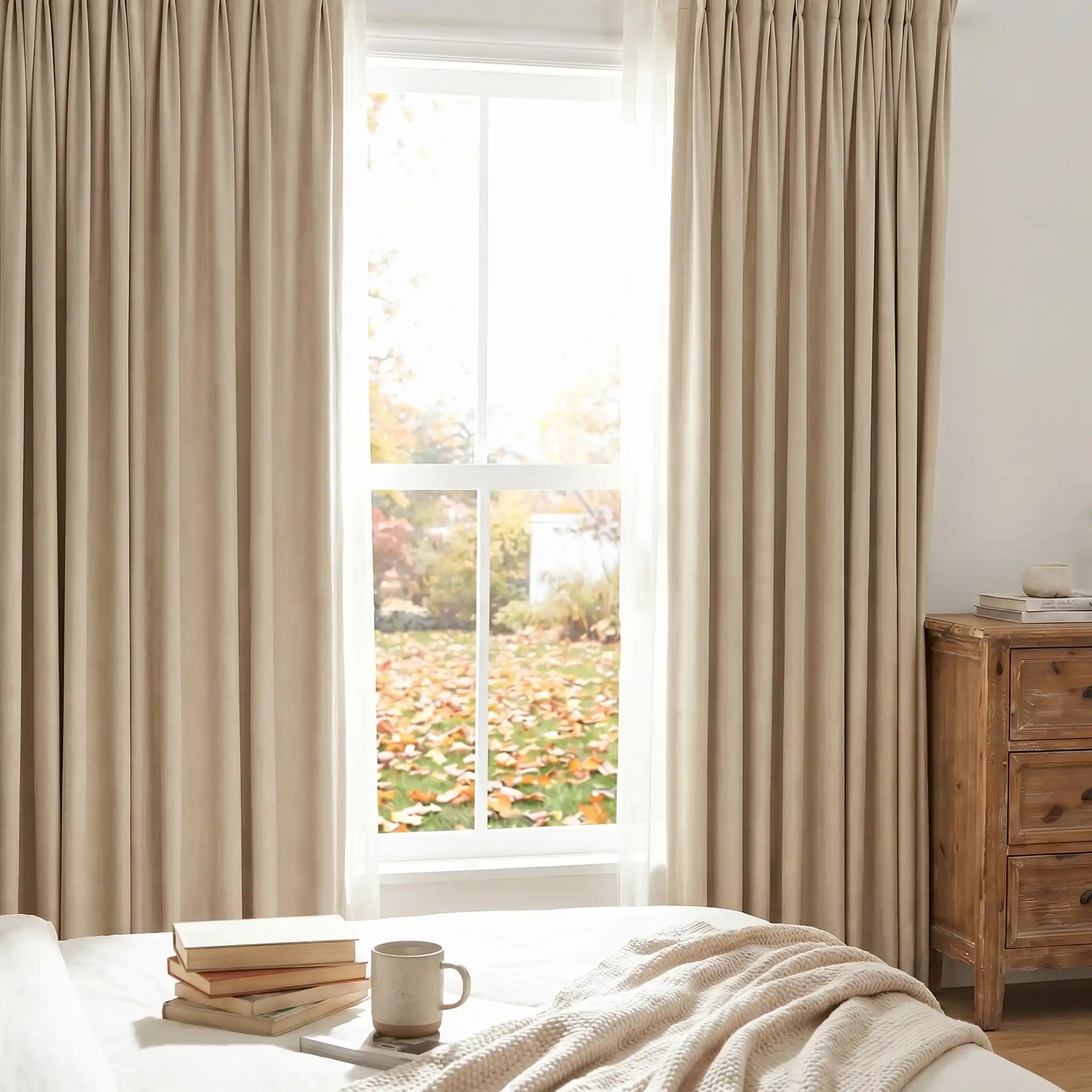
Room Ideas

Best Living Room Curtain Ideas for a Soft and Elegant Look
Discover the best living room curtain ideas for a soft, elegant look — from choosing the right fabric to styling tips that make any window look custom.
Learn more
Bedroom Curtain Ideas for Better Sleep and Privacy
Find the best bedroom curtain ideas for better sleep and privacy — from blackout options to layered linen panels and expert tips on color, proportion, and fabric.
Learn more
Dining Room Curtain Ideas That Add Warmth and Texture
Discover dining room curtain ideas that add warmth and texture — from linen to velvet, casual to formal, with tips on color, proportion, and fabric choice.
Learn more
Linen Curtains for Living Room: Why They’re a Timeless Choice
Why Linen Curtains Are So Popular Linen curtains remain one of the most popular choices for living rooms because they combine elegance, softness, and natural texture. They feel refined without appearing overly formal, which makes them suitable for a wide range of home styles. Whether your living room is modern, classic, coastal, minimalist, or warm and organic, linen curtains can adapt beautifully. Their relaxed drape and subtle texture help create a space that feels calm, airy, and welcoming. A Natural Look That Never Feels Trend-Driven One reason linen curtains are so timeless is that they do not rely on strong trends. They bring visual warmth and softness through texture rather than through loud color or heavy pattern. This makes them easy to pair with neutral furniture, wood finishes, layered textiles, and changing seasonal decor. A well-chosen linen curtain can stay relevant for years, even as the rest of the room evolves. Linen Curtains Work Well With Natural Light Living rooms often benefit from a balance between privacy and daylight. Linen curtains are especially effective because they filter light in a softer way than heavier blackout fabrics. They help reduce harsh brightness while still keeping the space open and bright. This makes linen curtains ideal for homeowners who want: · a soft and airy atmosphere · a natural daytime glow · a relaxed but polished interior · more warmth than plain synthetic fabric often provides Texture Makes the Room Feel More Complete Even when linen curtains are chosen in simple shades like white, ivory, flax, beige, or soft gray, the texture itself adds visual interest. This is important in living rooms, where large surfaces such as walls, sofas, and windows can otherwise feel flat. Linen introduces movement and depth without overwhelming the room. It softens hard architectural lines and complements other tactile elements such as wood, boucle, stone, or woven decor. They Suit Many Interior Styles Linen curtains are unusually versatile. In a modern interior, they add softness and balance. In a coastal or organic room, they reinforce the natural mood. In a more traditional setting, they can still feel elegant and understated. They work especially well in: · neutral living rooms · Scandinavian or minimalist spaces · organic modern interiors · warm contemporary homes · casual luxury interiors Because the fabric is so adaptable, linen curtains can feel both elevated and effortless at the same time. Linen Curtains Create a More Relaxed Drape Compared with very stiff or overly structured materials, linen tends to fall more naturally. This softer drape makes windows look less harsh and helps the entire room feel more relaxed. For homeowners who want a tailored yet lived-in appearance, this quality is one of linen’s biggest advantages. It offers enough structure to look elegant, but enough movement to feel approachable and comfortable. Are Linen Curtains Good for Privacy? Linen curtains can provide soft daytime privacy, especially when used in a medium-weight or lined construction. Lighter linen or linen-blend sheers will allow more light to pass through, while heavier linen or layered treatments provide greater coverage. If privacy is a major concern in the living room, linen curtains can also be paired with: · sheer layers for softness · blackout lining for stronger light control · secondary drapes for evening privacy This flexibility makes linen a practical option rather than just a decorative one. Best Colors for Linen Curtains in a Living Room The most timeless linen curtain colors are usually neutral. White, off-white, ivory, flax, oatmeal, beige, taupe, and soft gray are especially versatile in living spaces. These tones work well because they: · reflect natural light · make the room feel open · coordinate easily with different furniture colors · stay elegant over time If the room already has many visual details, a quieter linen shade usually feels the most sophisticated. How to Style Linen Curtains Beautifully To make linen curtains look their best, hang them high and wide so the windows feel larger and the room feels taller. Floor-length panels usually look the most refined, especially in living rooms. Linen curtains also pair well with: · black or brass hardware · soft layered rugs · textured neutral cushions · light wood furniture · sheer underlayers for dimension The key is to let the fabric breathe rather than crowding the space with too many competing details. Final Thoughts Linen curtains for the living room are a timeless choice because they offer something many other fabrics do not: natural texture, relaxed elegance, and long-term versatility. They soften a room without making it feel heavy, and they work across many different design styles. If you want curtains that feel bright, refined, and easy to live with, linen is one of the safest and most beautiful options you can choose for a living room.
Learn more
Curtains for Living Room in 2026
The living room is the heart of a home—a space for relaxation, entertainment, and connection. As one of the most visible elements in this central area, curtains play a dual role: they enhance the room’s aesthetics while serving practical purposes like light control and privacy. Selecting the right curtains for your living room might seem straightforward, but it requires thoughtful consideration of factors such as fabric, color, length, functionality, and style. Here’s a step-by-step guide to help you make an informed choice. 1. Define Your Priorities: Function vs. Style Before diving into fabric swatches or color palettes, ask yourself: What do I need these curtains to do? Light Control: If your living room faces direct sunlight, opt for thick, opaque fabrics like velvet, suede, or blackout curtains. These materials block harsh rays, protect furniture from UV damage, and keep the room cool. For a softer glow, sheer or linen curtains diffuse light beautifully while maintaining privacy. Privacy: Homes in busy neighborhoods may require heavier drapes that obscure views from outside. Layering sheer curtains with thicker ones offers flexibility—open them during the day for natural light and close them at night. Insulation: Thermal-lined curtains can reduce energy costs by retaining heat in winter and blocking it in summer. Aesthetic Goals: Do you want curtains to blend in or stand out? Neutral tones create harmony, while bold patterns or colors make a statement. 2. Choose the Right Fabric The fabric determines both the look and functionality of your curtains. Here’s a breakdown of popular options: Linen: Lightweight and breathable, linen curtains offer a relaxed, airy vibe. They’re ideal for casual or coastal-inspired living rooms but may require frequent ironing. Cotton: Versatile and easy to maintain, cotton works well in most settings. Choose tightly woven cotton for better light blockage. Velvet: Luxurious and insulating, velvet adds warmth and sophistication. It’s perfect for formal living rooms or spaces needing noise reduction. Polyester/Synthetic Blends: Durable, wrinkle-resistant, and budget-friendly, these mimic the look of natural fibers without high maintenance. Sheer Fabrics: Voile or chiffon curtains soften harsh sunlight and add elegance but offer minimal privacy. Pro Tip: Hold fabric samples against your window to see how they interact with natural light. 3. Color and Pattern: Harmonize with Your Décor Curtains should complement your living room’s existing palette and style. Neutral Tones: Whites, beiges, and grays create a timeless backdrop, allowing furniture or artwork to take center stage. Bold Colors: Deep blues, emerald greens, or terracotta add drama. Match curtain hues to accent pillows, rugs, or wall art for cohesion. Patterns: Stripes, florals, or geometric prints inject personality. For small rooms, avoid oversized patterns that overwhelm the space. Seasonal Flexibility: Consider reversible curtains or interchangeable panels to switch between summer and winter aesthetics. 4. Measure Correctly: Length and Width Matter Ill-fitting curtains can ruin a room’s proportions. Follow these guidelines: Length: Floor-length curtains (just grazing the floor) add elegance. For a modern twist, opt for a slight “break” (½–1 inch extra). Avoid short curtains that end at the windowsill—they can make ceilings appear lower. Width: Curtains should be 1.5–2 times the width of the window for a full, gathered look. This ensures they cover the window completely when closed. Height: Mount the curtain rod 4–6 inches above the window frame to create the illusion of taller ceilings. 5. Hardware and Style Details The right hardware elevates your curtains from functional to fabulous: Rods and Tracks: Choose finishes that match your room’s hardware (e.g., brushed nickel for modern, wrought iron for rustic). Header Styles: Grommet tops offer a clean, contemporary look; pleated headers (like pinch pleat) add traditional charm. Tiebacks: Use decorative hooks or fabric bands to hold curtains open during the day. 6. Consider Maintenance Think long-term: Machine-washable fabrics like cotton or polyester suit busy households. Dry-clean-only materials (silk, velvet) may be better for formal spaces used less frequently. Dust-prone homes should avoid heavy textures that trap allergens. 7. Test Before Committing Always order swatches or small samples to see how the fabric looks in your living room’s lighting. Observe how colors shift from morning to evening and under artificial light. Final Thoughts The perfect living room curtains strike a balance between beauty and practicality. By prioritizing your needs, aligning choices with your décor, and paying attention to details like fabric and measurements, you’ll transform your curtains into a seamless extension of your home’s personality. Remember, curtains aren’t just window dressings—they’re storytellers that frame your daily life with style and purpose.
Learn more
How to Choose the Perfect Curtains for Your Bedroom?
Selecting curtains for your bedroom might seem simple, but this decision impacts everything from your sleep quality to the room’s overall ambiance. Bedrooms are sanctuaries—spaces for rest, relaxation, and rejuvenation. The right curtains can enhance these qualities, while the wrong choice might leave you tossing and turning at night or clashing with your decor. Here’s a comprehensive guide to choosing bedroom curtains that balance style, function, and comfort. 1. Prioritize FunctionalityBefore diving into colors or patterns, address practical needs: A. Light Control- Blackout Curtains: Ideal for light sleepers or urban environments with streetlights. These heavy, opaque fabrics (like velvet or thermal-lined polyester) block 90–100% of light. - Sheer or Semi-Sheer Curtains: Perfect for creating a soft, diffused glow if you prefer waking up to natural light. Pair them with blinds for adjustable darkness. B. Insulation- Thermal Curtains: Look for layered fabrics with insulating properties to regulate room temperature. They help retain heat in winter and block summer heat, reducing energy costs. - Lightweight Fabrics: Cotton or linen works well in moderate climates but offers minimal insulation. C. Noise Reduction Thick, dense fabrics like velvet or suede can dampen outside noise—a bonus for bedrooms near busy streets. D. Privacy Ensure curtains are opaque enough to prevent silhouettes or shadows from being visible outside, especially for ground-floor rooms. 2. Choose the Right FabricThe fabric determines both function and aesthetics: - Velvet: Luxurious, heavy, and excellent for blocking light and noise. Best for traditional or glam-themed bedrooms. - Linen: Breathable, lightweight, and casually elegant. Offers moderate light filtration but wrinkles easily. - Cotton: Versatile, easy to clean, and available in countless patterns. Opt for thicker weaves if light blockage is a priority. - Silk or Satin: Adds a touch of luxury and reflects light beautifully, but these delicate fabrics require careful maintenance. - Polyester: Affordable, durable, and often blended with other materials for improved functionality (e.g., blackout polyester). 3. Consider Color and PatternCurtains can either blend into your bedroom’s palette or become a bold focal point: - Neutral Tones (Beige, Gray, White): Timeless and versatile, these colors create a calming atmosphere and pair well with any decor. - Dark Shades (Navy, Charcoal, Emerald): Add depth and drama while enhancing light-blocking capabilities. - Patterns and Prints: Floral, geometric, or abstract designs inject personality but avoid overly busy patterns in small rooms. - Match or Contrast: Coordinate curtain colors with your bedding, rug, or wall art for cohesion, or use contrasting hues to highlight windows as design features. 4. Measure CorrectlyIll-fitting curtains can ruin a room’s proportions. Follow these guidelines: - Width: Curtain panels should be 1.5–2 times the width of your window to ensure fullness when closed. - Length: Floor-length curtains elongate the room and add elegance. For a modern look, let them “kiss” the floor; for drama, allow a 1–2 inch puddle. Avoid awkward mid-length curtains that end at the windowsill. - Height: Mount the curtain rod 4–6 inches above the window frame to create the illusion of taller ceilings. 5. Hardware MattersDon’t overlook rods, rings, and tiebacks: - Rod Style: Choose between minimalist metal rods, decorative wooden poles, or discreet tracks. Match the finish to other hardware (e.g., bed frames or lamps). - Tiebacks: Fabric tiebacks or metal hooks can add a polished touch while keeping curtains open during the day. 6. Special Considerations- Small Bedrooms: Opt for light-colored, floor-to-ceiling curtains to visually expand the space. - Children’s Rooms: Prioritize washable, durable fabrics (e.g., machine-washable cotton) and avoid long drapes that could pose safety hazards. - Eco-Friendly Options: Look for organic materials (like hemp or organic cotton) or recycled fabrics to align with sustainable living goals. 7. Layering for Versatility Combine different curtain types for maximum flexibility: - Sheer + Blackout: Hang sheer panels behind blackout curtains. Draw the sheers for daytime softness and close the blackouts at night. - Curtains + Blinds/Roman Shades: This duo offers precise light control and adds texture to the room. Conclusion: Balance Beauty and Practicality The perfect bedroom curtain isn’t just about looks—it’s about creating a harmonious environment that supports rest and reflects your personal style. Start by identifying your functional needs (light control, privacy, insulation), then explore fabrics, colors, and designs that align with your bedroom’s aesthetic.
Learn more