Shades & Window Treatments

2026 Best Window Treatments for Bedroom Privacy and Light Control
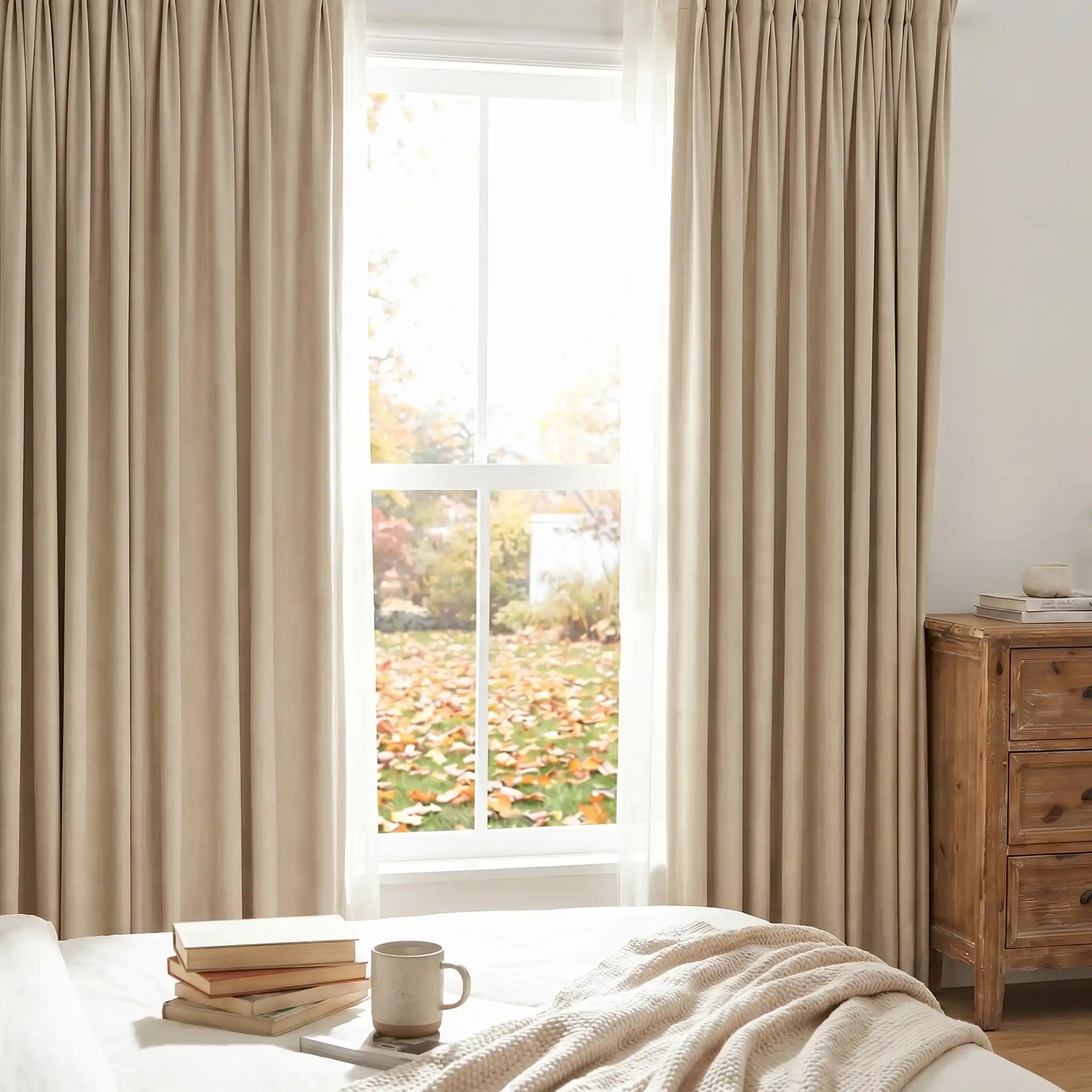
There is no single window treatment that wins in every room. The good ones solve the right problem cleanly. That is why best window treatments for bedroom is best approached as a room-by-room decision instead of a blanket rule. A good rule is to let function narrow the field before aesthetics take over. Once you know how much darkness matters, which of bedroom curtains or blackout shades is easier to live with, and how polished you want the result to feel, the right direction gets much easier to see. Darkness Where It Matters Start here: darkness where it matters. This is the point that usually determines whether the final result feels obvious in a good way or slightly compromised. In a bright bedroom, for example, the best-looking treatment often ends up being the one that manages daylight calmly instead of fighting it. Bedroom curtains shine when you want the treatment to recede into the background — adding softness and texture without dominating the room. Blackout shades usually make more sense when you need the window treatment to do the heavy lifting on light control, especially for shift workers, young children, or east-facing rooms that catch early morning sun. For full blackout coverage with a premium feel, the Custom Luxury Silk-Fiber Ombre Blackout Curtains combine serious light blocking with a refined, gradient aesthetic that works well in a bedroom setting. Shades, Curtains, and Layered Solutions Start here: shades, curtains, and layered solutions. This is the point that usually determines whether the final result feels obvious in a good way or slightly compromised. In a bright bedroom, for example, the best-looking treatment often ends up being the one that manages daylight calmly instead of fighting it. This is also where material and construction matter. Blackout shades tend to work best when the goal is clean, minimal coverage — especially in smaller rooms where fabric panels might feel heavy. Privacy curtains earn their place when coverage, structure, and a softer room feel all matter equally. The Custom Premium Velvet Blackout Curtains are a strong layering option — the velvet weight adds acoustic softness and thermal insulation alongside full blackout performance, making them especially effective in bedrooms that face street noise or temperature swings. Quiet Daily Function and Ease of Use A lot hinges on quiet daily function and ease of use. It is one of those design choices that seems subtle until you compare two rooms side by side. One feels balanced and useful; the other feels almost right but never completely settled. Privacy window treatments can make the room feel quiet, restful, and protected rather than overworked. Bedroom curtains are often better when the room needs more definition or a softer visual anchor around the window. The best choice is usually the one you will actually use every day without thinking about it. A Practical Takeaway It also helps to picture the room on an ordinary weekday instead of in a styled photo. Will the window be opened often? Is there furniture nearby? Does the space need blackout at night but softness during the day? Those questions usually lead to better decisions than trend lists do. Final Thoughts The best result is usually the one that feels calm and inevitable once it is installed. That is what to aim for with best window treatments for bedroom: not just something attractive, but something that makes the whole room read better.
Learn more
Zebra Shades vs Roman Shades: Key Differences Explained
A lot of people choose shades or curtains by category name alone, then wonder why the final result feels slightly off. The label matters far less than the way the treatment handles light, scale, privacy, and movement. That is the right starting point for zebra shades vs roman shades. Instead of asking what is most popular, ask what will still feel right six months after installation. A room that works beautifully day and night will always age better than one that was styled for the first impression alone. How Each Style Controls Light The real question behind this topic is how each style controls light. Once that is clear, many of the usual shopping distractions fall away. Features that sound equally appealing on a product page suddenly show their strengths and weaknesses much more honestly. Zebra shades work by alternating sheer and solid bands that you align or offset to dial in exactly how much light enters. Roman shades, by contrast, stack into neat horizontal folds when raised, giving you a clean all-or-nothing choice between full coverage and a fully open window. If you want that adjustable, in-between light quality, the Hillary Blackout Zebra Shade Cordless and the Kace Blackout Zebra Shade Cordless are both strong starting points — cordless operation keeps the look clean and the daily routine simple. The Look Each Option Brings to a Room Start here: the look each option brings to a room. This is the point that usually determines whether the final result feels obvious in a good way or slightly compromised. In a bright room, for example, the best-looking treatment often ends up being the one that manages daylight calmly instead of fighting it. This is also where material and construction matter. Roman shades tend to work best when the goal is a softer, more natural finish — especially in linen or textured fabrics. Zebra shades earn their place when coverage, structure, or ease of use matter more than visual lightness alone. For a roman shade that brings warmth and texture, the Seraphina Custom Linen Roman Shades and Beatrice Custom Linen Roman Shades are both made to order in linen — a material that softens naturally with light and age. Which Homes Benefit Most from Each Start here: which homes benefit most from each. This is the point that usually determines whether the final result feels obvious in a good way or slightly compromised. Cordless zebra shades suit homes with children or pets, high-traffic rooms, and spaces where you want precise light control without fuss. Roman shades suit rooms where the window is a design focal point and a more tailored, fabric-forward look is the priority. A Practical Takeaway It also helps to picture the room on an ordinary weekday instead of in a styled photo. Will the window be opened often? Is there furniture nearby? Does the space need blackout at night but softness during the day? Those questions usually lead to better decisions than trend lists do. Conclusion In the end, zebra shades vs roman shades is less about finding a universally perfect answer and more about choosing the option that makes the room feel easier to live in. When light, scale, and function all line up, the style almost takes care of itself.
Learn more
Roman Shades vs Curtains: Which Window Treatment Should You Choose?
Roman shades and curtains are both beautiful — but they create very different looks, serve different functions, and suit different spaces. If you’ve been going back and forth on roman shades or curtains for your home, you’re not alone. It’s one of the most common window treatment dilemmas, and the right answer genuinely depends on your room, your lifestyle, and your aesthetic priorities. Let’s work through it together. What Are Roman Shades? Roman shades are fabric window coverings that raise and lower in neat horizontal folds. When raised, they stack into a compact, structured bundle at the top of the window. When lowered, they lie flat against the glass in a clean, uninterrupted panel. The best roman shades are typically made from linen, cotton, or linen-blend fabrics in neutral tones, though they come in a wide range of materials and patterns. The best roman shades for living room spaces tend to be flat-fold or relaxed-fold styles in natural fabrics — they have an architectural quality that feels intentional and refined without being fussy. What Are Curtains? Curtains (or drapes) are fabric panels that hang from a rod and draw open or closed horizontally. They add softness, movement, and visual height to a room in a way that shades simply can’t replicate. The best curtain panels are typically floor-length, hung high, and wide enough to stack well clear of the window when open. Curtains come in an enormous range of styles — from casual linen sheers to formal velvet drapes, from grommet-top panels to pinch pleat or ripple fold designs. They’re the more versatile option in terms of style range. Roman Shades vs Curtains: The Key Differences Style & Visual Impact Roman shades have a clean, architectural quality. They sit within or just outside the window frame and don’t add much visual bulk to the room. This makes them ideal for smaller spaces or rooms where you want the window treatment to recede rather than dominate. Curtains make a statement. Floor-length panels add drama, height, and softness that roman shades can’t match. If you want your windows to be a design focal point, curtains are the stronger choice. How to style curtains for living room spaces: hang them high, make them wide, and let them just graze the floor for maximum impact. Light Control Both options can be made in light-filtering or blackout versions. How to choose roman shades for light control: look for blackout-lined options for bedrooms, or unlined linen for a soft, diffused glow in living areas. For curtains, the same principle applies — how to choose blackout curtains vs light-filtering depends on how much darkness you need. One practical advantage of roman shades: when raised, they completely clear the window, letting in maximum light with zero obstruction. Curtains, even when open, always have some fabric at the sides of the window. Privacy Both provide good privacy when closed. Roman shades have a slight edge in smaller windows because they cover the glass more precisely. For best curtains for privacy in larger windows, floor-length blackout curtains are hard to beat. Space & Scale Roman shades work best on smaller to medium windows. For best curtains for large windows, curtains are almost always the better choice — roman shades on very wide windows can look awkward and are harder to operate. Similarly, for best curtains for tall windows, floor-length drapes hung from ceiling height create a stunning effect that roman shades can’t replicate. Ease of Use & Maintenance Roman shades are generally easier to operate (especially cordless versions) and easier to keep clean — a quick vacuum or wipe-down is usually sufficient. Curtains require more care: regular dusting, occasional washing or dry cleaning, and re-hanging. However, many modern curtain fabrics are machine washable, which makes maintenance much more manageable. How to Choose: Roman Shades or Curtains? Here’s a simple decision framework for how to choose window treatments between these two options: Choose roman shades if: You want a clean, architectural look; your windows are small to medium; you prefer a minimalist aesthetic; or you want the window to recede rather than dominate. Choose curtains if: You want to add drama and height; your windows are large or floor-to-ceiling; you want softness and movement; or you need maximum light blocking with a blackout lining. Choose both if: You want the best of both worlds — roman shades for precise light control, curtains layered over for style and warmth. This combination is especially popular in living rooms and master bedrooms. Are Roman Shades Worth It? Are roman shades worth it? For the right window and the right room, absolutely. Custom linen roman shades in particular have a quality and refinement that’s hard to achieve with off-the-shelf options. They’re especially worth the investment in kitchens, dining rooms, and smaller bedrooms where curtains might feel overwhelming. FAQ: Roman Shades vs Curtains What are the best roman shades for a living room? The best roman shades for living room spaces are typically flat-fold or relaxed-fold styles in natural linen or linen-blend fabrics. Custom sizing ensures a perfect fit, and a light-filtering lining gives you privacy without blocking all natural light. Can roman shades replace curtains entirely? In some rooms, yes. Roman shades work well as a standalone window treatment in kitchens, dining rooms, and smaller bedrooms. In living rooms and master bedrooms, many homeowners prefer to layer roman shades with curtains for both function and style. How to measure roman shades vs curtains? How to measure roman shades: measure the exact width and height of your window opening for an inside mount, or the width and height of the area you want to cover for an outside mount. How to measure curtains: measure the rod width (typically 1.5–2x the window width) and the desired length from rod to floor. Are cordless zebra shades a good alternative to roman shades? Yes — cordless zebra shades vs roman shades: zebra shades offer more flexible light control (you can adjust from sheer to near-blackout) while roman shades offer a more classic, fabric-forward look. Both are excellent choices depending on your style preference. How to hang roman shades vs curtains? How to hang roman shades: mount the headrail inside the window frame for a clean look, or outside the frame for a larger appearance. How to hang curtains: mount the rod 4–6 inches above the window frame (or closer to the ceiling for maximum height effect), and ensure the rod extends 6–12 inches beyond the window on each side so curtains stack clear of the glass when open.
Learn more
Elevating Your Home's Quality Through Curtain Mastery
We often chase grand renovations to transform our homes, overlooking the profound impact of refined details. Among these, curtains stand as unsung heroes – capable of elevating a space from functional to breathtaking, from ordinary to curated sanctuary. Truly improving your home's aesthetic and quality isn't about constant overhauls; it's about mastering elements like curtains in key spaces: the restorative haven of the bedroom and the vibrant heart of the living room. Here’s how to wield fabric and light to constantly uplift these essential rooms: Bedroom: Sanctuary Defined Your bedroom is your retreat. Curtains here are paramount for both atmosphere and function. Elevating them means prioritizing: The Embrace of Darkness (Quality Sleep = Quality Living): Invest in serious blackout linings or fabrics. This isn't just about blocking light; it's about investing in restorative sleep, the foundation of wellbeing and a beautiful life. Look for densely woven fabrics or dedicated blackout linings attached to your main curtain fabric. The difference in sleep quality is a tangible upgrade to your daily existence. Texture as Tranquility: Move beyond flat synthetics. Embrace the depth and warmth of natural textures. Linen (breathable, beautifully rumpled), heavy cotton velvet (opulent, insulating), or textured weaves like boucle add instant sophistication and tactile comfort. These fabrics absorb sound, contributing to the serene quiet essential in a bedroom. The Floor-Sweeping Elegance: Length is non-negotiable. Curtains should either just kiss the floor or have a slight ½ to 1-inch "break" (puddle) for a luxe, custom feel. Hanging them too short is the fastest way to cheapen the look. Mount the rod high – close to the ceiling or crown molding – to draw the eye up and create the illusion of taller ceilings and grandeur. Layering Light & Privacy: Combine sheer elegance with solid substance. Use light-filtering roller shades or delicate sheers closest to the window for daytime privacy and a soft glow. Layer your substantial blackout curtains over them. This dual system offers unparalleled flexibility and visual richness. Tailored Refinement: Ensure adequate fullness. Curtains should be 1.8 to 2.5 times the width of the window they cover when open. This generous gathering creates luxurious folds and ensures they hang beautifully when drawn, signifying attention to detail and quality. Living Room: Drama, Light, and Flow The living room demands versatility – hosting lively gatherings, quiet relaxation, movie nights, and showcasing your style. Curtains here orchestrate light and define the space: Controlling the Narrative: Decide the room's primary function. Need flexibility? Motorized dual-layer systems (sheers + blackouts) offer effortless transformation at the touch of a button, maximizing both convenience and the "wow" factor. For drama, bold patterns or rich, saturated colors can become a stunning focal point. For subtlety and timelessness, textured neutrals (stone, oatmeal, charcoal) provide sophisticated depth. The Power of Layering: Like the bedroom, layering reigns supreme. Roman shades offer clean lines and architectural interest beneath curtains. Wooden blinds add warmth and texture. Layering allows precise light control throughout the day and adds significant visual complexity and richness. Frame the View, Define the Space: Curtains are fantastic for architectural enhancement. Use them to frame a beautiful window view as if it were a painting. Conversely, cleverly hung curtains can visually correct awkward window placements or create the illusion of symmetry where it doesn't naturally exist. They can even be used to soften room corners or define distinct zones within an open-plan space. Hardware as Jewelry: Never underestimate the impact of the rod and finials. Substantial, well-finished hardware (brushed brass, aged bronze, matte black, polished nickel) elevates the entire installation. Choose a style that complements your curtain fabric and overall decor – from sleek minimalism to ornate traditionalism. Ensure rods are sturdy enough to support the weight of your chosen fabric without sagging. Flow & Movement: In the living room, curtains often need to open and close smoothly. Choose heading styles that facilitate this. Grommets offer a modern look and easy glide. Pencil pleats or pinch pleats offer more traditional, structured fullness but still move well on quality tracks. Avoid styles that look messy or bunch awkwardly when open. The Constant Improvement Mindset: Elevating your curtains isn't a one-time purchase; it's a journey: Fabric Evolution: As your style matures, experiment with bolder textures or colors. Swap sheers seasonally (lighter linens in summer, slightly heavier cottons in winter). Hardware Upgrade: Replacing flimsy rods with substantial, beautiful hardware is a surprisingly impactful and relatively inexpensive upgrade. Professional Touches: Investing in professional steaming after cleaning, or having curtains properly hemmed and weighted, maintains their crisp, luxurious drape for years. Maintenance Matters: Regularly vacuum curtains with a brush attachment and follow fabric-specific cleaning instructions. Well-maintained curtains always look higher quality. The Final Curtain Call Curtains are far more than window coverings; they are sculptors of light, architects of privacy, and essential elements of texture and color. By thoughtfully selecting fabrics, prioritizing precise length and generous fullness, mastering the art of layering, and investing in quality hardware, you transform both your bedroom sanctuary and your living room hub. This continuous attention to detail – choosing natural fibers, ensuring perfect proportions, embracing light control – is how you consistently elevate the feeling and the quality of your home, stitch by beautiful stitch. It’s an investment in daily beauty and comfort that pays dividends in how your space makes you feel. Now go forth and drape with intention!
Learn more
Best Window Treatments Guide: Curtains, Shades & Blinds for Every Room
Choosing the right window treatments can completely transform how a room looks and feels. Whether you're weighing blackout curtains or sheer curtains, deciding between roman shades or curtains, or simply trying to figure out how to choose window treatments for your space — this guide breaks it all down in plain, practical terms. Curtains for Every Room: Where to Start Best Curtains for Bedroom Your bedroom is your sanctuary, and the best bedroom curtains should reflect that. If you're a light sleeper or work night shifts, the best blackout curtains for bedroom spaces are a game-changer — they block out sunlight completely and even help muffle street noise. Velvet and triple-weave polyester are top choices for maximum darkness. If you prefer a softer, more romantic atmosphere, the best sheer curtains for bedroom windows let in a gentle glow while still offering a degree of privacy. Many homeowners choose to layer both: sheer panels during the day, blackout curtains drawn at night. It's one of the most effective ways to how to layer sheer and blackout curtains for full flexibility. Best Curtains for Living Room The best curtains for living room spaces need to balance style with function. Linen curtains for living room windows are perennially popular — they're breathable, textured, and work with almost any decor style from Scandinavian minimalism to coastal casual. For a more formal look, pinch pleat or pencil pleat drapes add tailored elegance. If your living room gets a lot of afternoon sun, consider best curtains for natural light management: light-filtering sheers that soften glare without darkening the room. For large picture windows, the best curtains for large windows are typically floor-length panels hung high and wide to frame the view dramatically. Curtains for Sliding Glass Doors & French Doors Sliding glass doors and French doors present unique challenges. The best curtains for sliding glass doors need to stack neatly to one side without blocking the door opening — grommet-top panels or ripple fold curtains work especially well here. For French doors, the best curtains for French doors are typically single panels per door that move with the door itself, or curtains hung on a rod above the door frame. If you're wondering how to choose curtains for sliding glass doors, prioritize width: your curtain panels should be at least 1.5–2x the width of the door opening when closed, so they look full and luxurious rather than skimpy. Shades & Blinds: Sleek Alternatives to Curtains Roman Shades vs Curtains One of the most common questions we hear is: roman shades or curtains — which is better? The honest answer is that it depends on your priorities. Roman shades fold up neatly into horizontal pleats, making them ideal for smaller windows or rooms where you want a clean, uncluttered look. The best roman shades for living room spaces are typically linen or cotton in neutral tones. Curtains, on the other hand, add softness, movement, and drama that shades simply can’t replicate. If you want your windows to feel like a design statement, curtains usually win. If you want something streamlined and architectural, roman shades are the smarter pick. Best Zebra Shades Zebra shades (also called dual-layer or day-night shades) are one of the most versatile best window treatments on the market right now. Their alternating sheer and opaque bands let you dial in exactly how much light and privacy you want — slide them one way for a sheer, diffused glow; slide the other way for near-total privacy. The best zebra shades are cordless for safety and ease of use, and they work beautifully in living rooms, bedrooms, and home offices alike. Curtains vs Blinds: Which Should You Choose? The curtains vs blinds debate comes down to aesthetics vs practicality. Blinds are easier to clean, more moisture-resistant (great for kitchens and bathrooms), and offer precise light control. Curtains or blinds? If you want warmth, texture, and a cozy feel, curtains win every time. Many designers recommend using both: blinds for function, curtains for style layered on top. Customization: Made-to-Measure vs Ready-Made When it comes to ready made curtains vs custom curtains, the choice often comes down to budget and window size. Ready-made curtains are convenient and affordable, but they come in standard sizes that may not fit your windows perfectly. Custom curtains are made to your exact measurements, ensuring a polished, tailored look — especially important for best curtains for tall windows or unusually wide openings. If you’re asking are custom curtains worth it, the answer for most homeowners is yes — especially in main living areas where the windows are a focal point. The difference in fit and finish is immediately noticeable. Practical Tips: Hanging & Measuring Two of the most common mistakes people make with curtains are hanging them too low and making them too narrow. Here’s the quick version of how to measure curtains correctly: How high should curtains be hung? Mount the rod 4–6 inches above the window frame, or even closer to the ceiling for a dramatic, height-enhancing effect. How wide should curtains be? Your curtain panels should total 1.5–2.5x the width of the window for a full, gathered look when closed. For length, curtains that just graze the floor or puddle slightly look the most intentional and luxurious. FAQ: Your Window Treatment Questions Answered Are blackout curtains worth it? Absolutely — especially for bedrooms, nurseries, and home theaters. The best blackout curtains don’t just block light; they also reduce noise and help insulate the room, which can lower energy bills. Are sheer curtains worth it? Yes, particularly when layered with heavier curtains. Best sheer curtains soften harsh sunlight, add a layer of daytime privacy, and make rooms feel larger and airier. Are roman shades worth it? For smaller windows or rooms where you want a clean, architectural look, roman shades are an excellent investment. The best roman shades in linen or cotton elevate a space without overwhelming it. Are zebra shades worth it? If you want maximum flexibility in light control without sacrificing style, yes. Best zebra shades are particularly popular in living rooms and home offices where lighting needs change throughout the day. Curtains vs shades — which is easier to maintain? Shades are generally easier to wipe down and maintain, especially in kitchens or bathrooms. Curtains require more care but add warmth and texture that shades can’t match. Many homeowners use curtains or shades together for the best of both worlds. What are the best window treatments for living room spaces? The best window treatments for living room depend on your style and light needs. Linen curtains, velvet drapes, roman shades, and layered sheer-plus-blackout combinations are all excellent choices. The key is to choose something that complements your furniture and reflects how you use the space.
Learn more