Shades & Window Treatments

Are Lightweight Bedroom Curtains Better Than Blackout Curtains
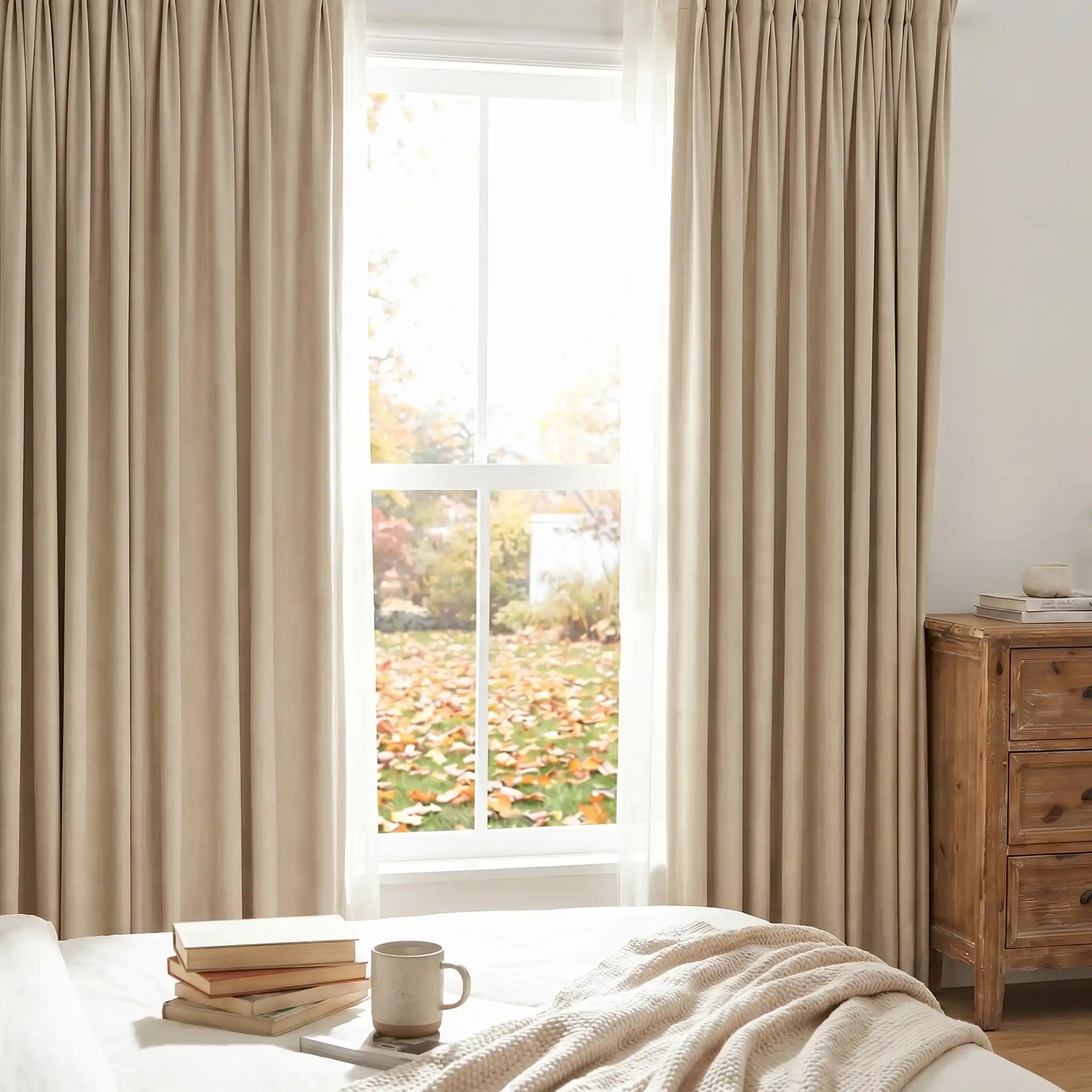
Lightweight bedroom curtains and blackout curtains are designed for different needs, so the right option depends on your sleep habits, privacy requirements, and the mood you want to create in the bedroom. Lightweight curtains help the room feel bright, open, and breathable, while blackout curtains are made to provide darkness, stronger privacy, and better insulation. For today’s homeowners, this choice matters because bedrooms often serve more than one purpose. A bedroom may also be used as a home office, nursery, reading area, or quiet place to unwind. Because of that, the best curtain is not simply the heaviest or most decorative option. It is the one that fits naturally into your daily life. A common misunderstanding is that one type of curtain is always superior to the other. In practice, lightweight curtains, blackout curtains, and layered curtain setups can all be useful. The smartest choice comes from understanding your lifestyle, room conditions, and how you use the space each day. Lightweight Curtains vs. Blackout Curtains: What's the Difference? Lightweight curtains and blackout curtains are used for different reasons. Lightweight curtains keep the bedroom brighter and softer. Blackout curtains help reduce light, add privacy, and make the room feel more enclosed. Fabric Construction Lightweight curtains are usually made with thin materials, including voile, linen blends, cotton blends, or polyester sheers. They are soft, light, and easy to move. Blackout curtains are made with thicker fabric or a blackout backing. They feel heavier and hang with more structure. Light Control Performance Lightweight curtains allow daylight to come through while softening glare. They are useful when you want natural light in the room. Blackout curtains are designed to block most outside light. They work better for sleeping, resting, or reducing screen glare. Privacy Levels Lightweight curtains give some privacy in the daytime, but they may be see-through at night when indoor lights are on. Blackout curtains give stronger privacy because they are thicker and less transparent. Thermal Insulation Lightweight curtains provide limited insulation. They can reduce some direct sunlight but do not block heat or cold very well. Blackout curtains usually offer better insulation due to their thicker fabric and lining. Overall Appearance Lightweight curtains make a room look brighter, softer, and more open. Blackout curtains make a room feel fuller, darker, and more private. Quick Comparison Table Feature Lightweight Curtains Blackout Curtains Light filtering Lets in softened daylight Blocks most outside light Privacy Some privacy in daytime Strong privacy Airflow Better More limited Heat insulation Limited Better Decorative style Soft and open Full and private In short, lightweight curtains are better for natural light and an open look. Blackout curtains are better for darkness, privacy, and insulation. How Climate Affects the Better Choice Curtains should match the weather where you live. Hot, cold, humid, and sunny rooms all have different needs. Hot or Tropical Areas In warm places, light curtains usually work better. They let the room feel more open and do not block airflow as much. Choose: Sheer curtains Linen blends Cotton blends Light colors Breathable fabrics If the sun is very strong, use them with blinds or solar shades. Cold Winter Areas In cold places, thicker curtains are more useful. Blackout or thermal curtains can help keep warmth inside and reduce cold air near the window. Choose: Blackout curtains Thermal-backed curtains Layered curtains Floor-length curtains Dense fabrics Homes With Hot and Cold Seasons If your area has both hot summers and cold winters, layered curtains are easier to use. The light layer works well in warm weather. The thicker layer helps when it gets cold. Best choice: Layered curtains Sheers with blackout curtains Adjustable rods or tracks Use in different seasons Humid Coastal Areas In coastal areas, moisture is something to think about. Thick curtains can hold dampness if the room has poor airflow. Lighter curtains are usually easier to dry and clean. Choose: Quick-drying fabrics Polyester blends Linen blends Washable sheers Regular mildew care Blackout curtains can still be used, but the room needs airflow and cleaning. Sunny South-Facing Bedrooms South-facing bedrooms often get a lot of sun. Blackout curtains help block heat and light. Sheer curtains are useful during the day because they reduce glare but still let in light. Best choice: Sheers for daytime Blackout curtains for sleep and heat control UV-resistant fabrics Fade-resistant materials For very sunny rooms, layered curtains are often the most practical choice. Which Curtains Save More Energy? Curtains can affect indoor temperature, HVAC use, and long-term comfort. The energy-saving advantage depends on season, climate, and how the curtains are used. Summer Cooling Performance In summer, blackout curtains can block strong sunlight and reduce heat gain, especially on west- or south-facing windows. This may help reduce cooling demand. Lightweight curtains can reduce glare but usually block less heat unless paired with solar shades or reflective liners. Winter Heat Retention In winter, blackout or thermal curtains are usually better at reducing heat loss near windows. Their denser construction creates more insulation than lightweight curtains. Lightweight curtains provide only mild insulation unless layered with other treatments. HVAC Efficiency Curtains work best when used strategically: Close blackout curtains during hot afternoons. Open curtains for winter sunlight when useful. Close thermal curtains at night in cold weather. Use lightweight curtains to reduce glare without turning on extra lights. Layer curtains for flexible temperature control. Long-Term Energy Costs Blackout curtains may offer better energy savings in extreme climates. Lightweight curtains may support energy efficiency indirectly by allowing natural daylight and reducing the need for artificial lighting. Condition Better Energy Choice Why Hot afternoon sun Blackout curtains Blocks heat gain more effectively Cold winter nights Blackout or thermal curtains Helps retain indoor warmth Mild climate Lightweight curtains Supports daylight and airflow Four-season climate Layered curtains Adapts to changing temperatures Humid climate Lightweight curtains Better airflow and faster drying For energy savings, blackout curtains usually perform better, but layered curtains provide the most balanced year-round value. Which Option Requires Less Maintenance? Curtains in the bedroom are used every day, so cleaning and upkeep matter. Over time, they can collect dust, pollen, pet hair, and smells from the room. Dust Buildup Lightweight curtains are easier to clean. You can shake them out, vacuum them, or take them down for washing without much trouble. Blackout curtains also collect dust, but they are heavier. Because of that, they can be harder to remove, clean, and hang back up. How Often They Need Washing Lightweight curtains may need washing more often, especially if you open the windows a lot. The good thing is that many lightweight fabrics can go in the washing machine. Blackout curtains may not need washing as often. But some types need spot cleaning or dry cleaning, depending on the lining. Wrinkles Polyester lightweight curtains and fabric blends usually do not wrinkle too easily. Linen sheers may wrinkle more, but some people like that softer, casual look. Blackout curtains can hold creases more because the fabric is thicker. This can happen after washing or after being folded in packaging. Fabric Durability Blackout curtains are often strong because they are made with thicker fabric. Still, the lining can wear down over time, especially if it gets a lot of direct sun. Lightweight curtains can also last well if the fabric is good quality. Delicate sheer curtains, however, may snag more easily. Long-Term Look Lightweight curtains often keep a fresh and open look. Cheaper sheers may stretch, turn yellow, or lose their shape over time. Blackout curtains usually hold their shape better. But fading, damaged lining, and dust buildup can make them look older. For simple everyday care, washable lightweight curtains are usually easier. For long-term strength and structure, good-quality blackout curtains may hold up better. Which Curtains Create a Better Bedroom Design? The better design choice depends on the mood you want to create. Curtains shape how a bedroom feels as much as how it functions. Minimalist Bedrooms Lightweight curtains work especially well in minimalist bedrooms because they keep the room clean and uncluttered. Recommended: White sheers Smooth semi-sheer panels Ceiling-mounted tracks Neutral tones Simple pleats Scandinavian Interiors Scandinavian bedrooms favor natural light, soft textures, and calm colors. Lightweight curtains are usually the better fit. Recommended: Linen blends Cotton sheers Warm white curtains Oatmeal or pale gray tones Soft, relaxed drape Luxury Bedrooms Luxury bedrooms often benefit from layered window treatments. Lightweight sheers add softness, while blackout drapes add depth and privacy. Recommended: Sheer inner curtains Blackout outer panels Full-length installation Rich but restrained colors Smooth tracks or double rods Modern Apartments Modern apartments often need privacy without losing daylight. Lightweight curtains paired with blinds or blackout panels provide the best balance. Recommended: Semi-sheer curtains Ripple-fold panels Neutral colors Layered systems Easy-care fabrics Farmhouse Style Farmhouse bedrooms look best with relaxed texture and natural materials. Lightweight cotton or linen-blend curtains work well. Recommended: Linen-look fabric Cotton blends Natural beige tones Soft white curtains Simple rods Hotel-Inspired Bedrooms Hotel-style bedrooms prioritize darkness, comfort, and a polished appearance. Blackout curtains or layered systems usually work best. Recommended: Blackout drapes Sheer underlayer Floor-to-ceiling panels Neutral or deep tones Full window coverage Design-wise, lightweight curtains create openness, blackout curtains create coziness, and layered curtains create the most complete look. Are Layered Curtains Better Than Choosing Just One? For many bedrooms, layered curtains are the more useful choice. You do not have to choose between light and darkness. With two layers, you can control the room more easily at different times of the day. Sheer Curtains Plus Blackout Curtains A simple layered setup is sheer curtains near the window and blackout curtains on the outside. This gives you more control: Use sheer curtains in the daytime Keep some natural light in the room Add privacy without making the room too dark Close blackout curtains at night Help reduce heat, cold, and outside light Double Curtain Tracks Double tracks make this setup easier to use. Each curtain layer moves separately, so you can open or close one layer without moving the other. They are a good choice for: Main bedrooms Children’s rooms Apartments Large windows Sliding doors Better for Day and Night Your bedroom does not need the same amount of light all day. In the daytime, sheer curtains can stay closed to soften sunlight and give some privacy. At night, blackout curtains can be closed to make the room darker and more private. This makes the room easier to use from morning to night. Works in Different Seasons Layered curtains are also useful when the weather changes. Light curtains work well in warm months or mild weather. Blackout or thermal curtains can help more when it is cold or when the sun is too strong. This is why layered curtains are often a practical choice. They give you light, privacy, darkness, and extra comfort in one setup. Cost Comparison: Which Offers Better Value? The value of curtains is not just about how much they cost when you buy them. You also need to think about installation, how long they last, how easy they are to clean, and whether they are useful every day. Initial Purchase Cost Lightweight curtains usually cost less. They use less fabric and are made in a simpler way. Blackout curtains usually cost more because the fabric is thicker. Some also have extra lining or coating. Installation Cost Lightweight curtains are easier to install. A simple curtain rod is often enough. Some can also be used with no-drill hardware. Blackout curtains may need a stronger rod because they are heavier. They also need to cover the window better, or light may still come in from the sides. Layered curtains usually cost more to install because they need double rods or tracks. Lifespan Good blackout curtains can last a long time, but the lining may wear out after years of use. Good lightweight curtains can also last well if the fabric is strong and you clean them the right way. Cleaning Cost Lightweight curtains are often easier to clean, especially if they are machine washable. Some blackout curtains need more care. This is common with foam backing, thermal lining, or special finishes. Long-Term Value Blackout curtains can be worth the extra cost if they help you sleep better or keep the room cooler or warmer. Lightweight curtains can be better value if you mainly want natural light, a softer look, and easy cleaning. Layered curtains often give the most use because you can adjust them for different needs. Cost Comparison Cost Factor Lightweight Curtains Blackout Curtains Layered Curtains Initial cost Lower Medium to high Highest Installation Simple Moderate More work Maintenance Easy Moderate Moderate Energy savings Low to moderate Moderate to high High Design flexibility Moderate Moderate High Overall value Best for simple needs Best for sleep and privacy Best for flexibility The best choice depends on what you care about most: saving money, sleeping better, getting more privacy, or using the curtains all year round. Expert Recommendations for Different Bedroom Types Different bedroom types call for different curtain choices. Here is a quick reference guide. Bedroom Type Recommended Curtain Why Small bedroom Lightweight curtains Keeps the room bright and open Nursery Layered curtains Supports naps, privacy, and daylight Master bedroom Blackout or layered Improves sleep and comfort Guest room Lightweight curtains Welcoming and easy to maintain Rental apartment Lightweight curtains Easy to install and remove Luxury bedroom Layered window treatments Adds softness, privacy, and depth This table shows why there is no universal winner. The bedroom’s function should guide the decision. Lightweight curtains and blackout curtains are not competing for one single “best” title. They simply solve different bedroom problems. One brings in softness and daylight, while the other focuses on darkness, privacy, and insulation. Lightweight curtains are a better fit when you want the bedroom to feel bright, open, and easy to maintain. They work especially well in small rooms, guest bedrooms, warmer climates, and interiors with a clean or minimalist style. If you enjoy waking up with natural light and prefer a softer window treatment, lightweight curtains are usually the more comfortable choice. Blackout curtains make more sense when sleep control is the main priority. They are useful for night-shift workers, children’s rooms, cold climates, street-facing windows, or bedrooms exposed to strong outdoor lighting. They also offer better privacy and can help the room feel more insulated. For many homes, the most flexible solution is to use both. A sheer or lightweight layer can keep the room pleasant during the day, while a blackout layer can be closed at night or whenever stronger coverage is needed. DWCN Store offers curtain options that support this layered approach, making it easier to balance natural light, privacy, comfort, and style in one bedroom setup.
Learn more