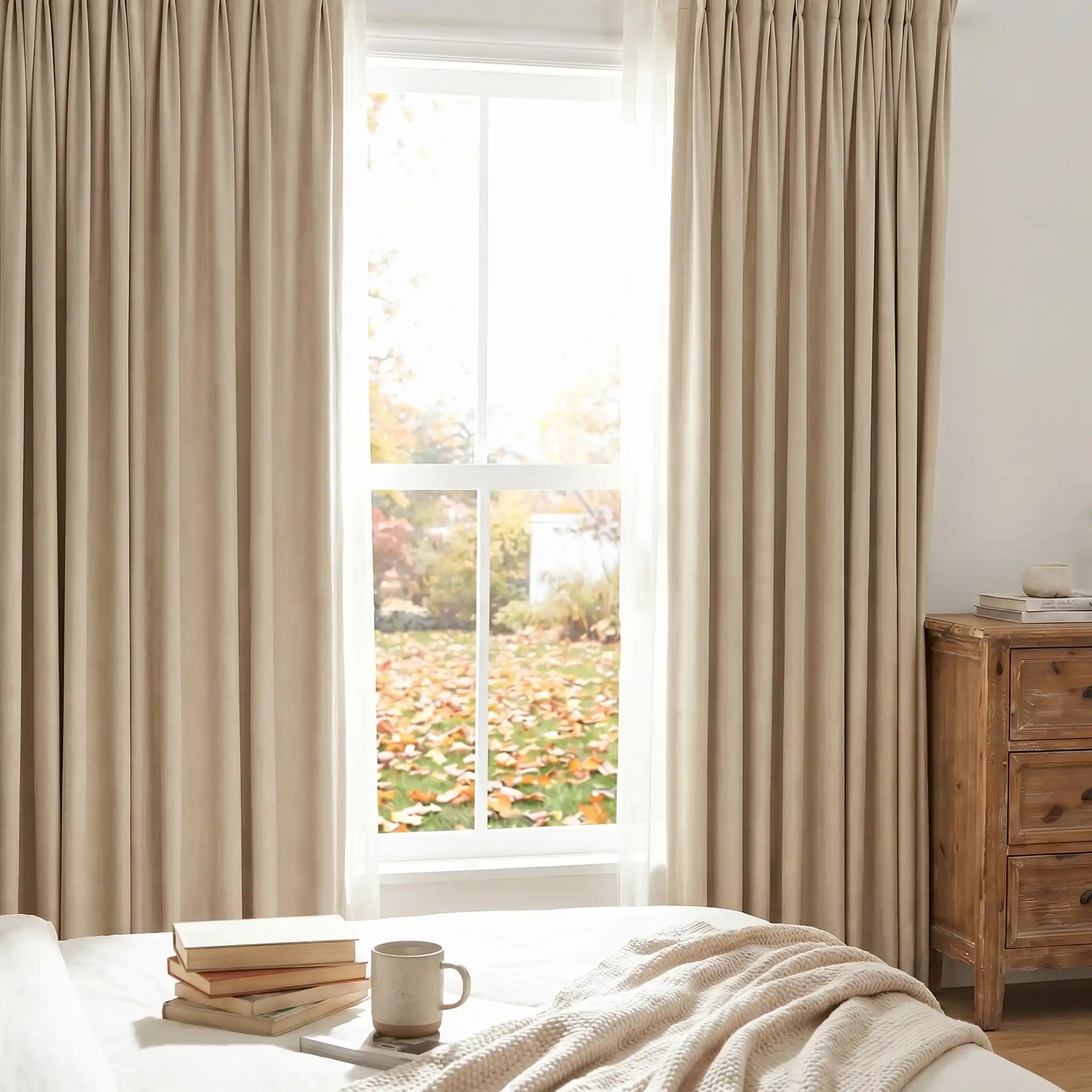
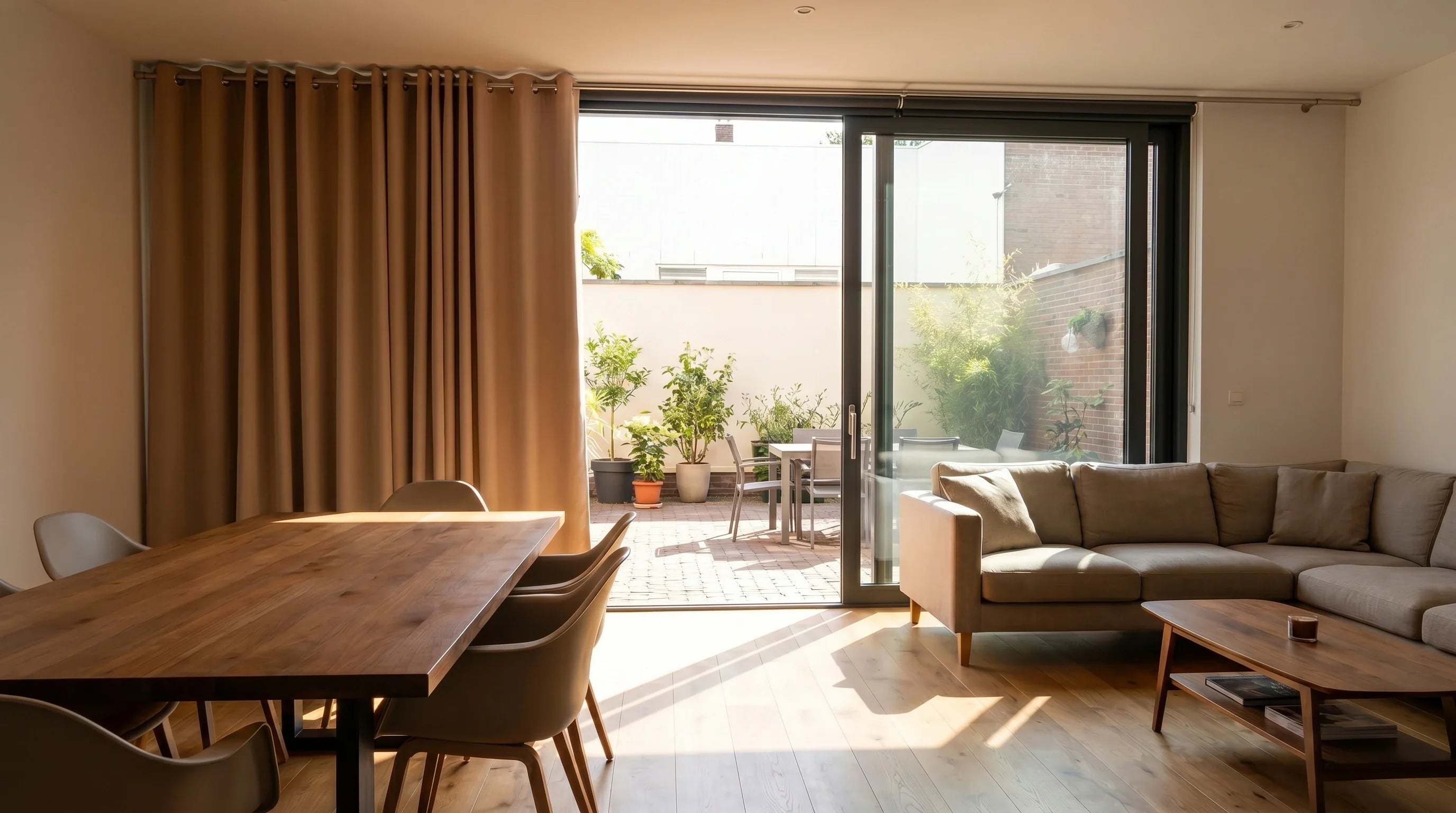
Window treatments sit in that interesting space between architecture and decoration. They manage light and privacy, but they also change how polished a room feels. If you are weighing best window treatments for sliding glass doors, the best answer usually comes from understanding how the option behaves in real life, not just how it looks in a catalog photo.
A good rule is to let function narrow the field before aesthetics take over. Once you know how much movement-friendly solutions matter, which of sliding door window treatments or curtains is easier to live with, and how polished you want the result to feel, the right direction gets much easier to see.
Movement-Friendly Solutions
Start here: movement-friendly solutions. This is the point that usually determines whether the final result feels obvious in a good way or slightly compromised. In a bright room with a sliding glass door, for example, the best-looking treatment often ends up being the one that manages daylight calmly instead of fighting it.
Sliding door window treatments shine when you want the treatment to recede into the background — opening and closing without snagging, bunching, or blocking the door track. Curtains usually make more sense when you need the window treatment to do more visible work, adding softness and height to a large glass expanse.
For wide sliding door openings, the DWCN Wide Width Blackout Curtain is built to span large widths without losing structure — a practical starting point for doors that need full coverage when closed.

Coverage Across a Wide Span
The real question behind this topic is coverage across a wide span. Once that is clear, many of the usual shopping distractions fall away. Features that sound equally appealing on a product page suddenly show their strengths and weaknesses much more honestly.
Curtains shine when you want the treatment to recede into the background and frame the door rather than cover it entirely. Shades usually make more sense when you need clean, even coverage across the full glass panel without fabric pooling to one side.
If you prefer a single grommet panel that slides cleanly to one side, the DWCN Room Divider Blackout Curtain, 1 Grommet Panel stacks compactly and keeps the door accessible without bulk.

Avoiding Bulky or Awkward Stacking
The real question behind this topic is avoiding bulky or awkward stacking. Once that is clear, many of the usual shopping distractions fall away. Features that sound equally appealing on a product page suddenly show their strengths and weaknesses much more honestly.
Shades shine when you want the treatment to recede into the background — rolling or folding up neatly above the door frame. Sliding door window treatments usually make more sense when you need the window treatment to do more visible work while still clearing the door path completely when open.

A Practical Takeaway
The detail people forget is proportion. Even beautiful fabric can look slightly off if the rod sits too low, the panels are too narrow, or the mount leaves distracting gaps. In other words, the treatment has to fit the architecture as well as the style.
Final Thoughts
The best result is usually the one that feels calm and inevitable once it is installed. That is what to aim for with best window treatments for sliding glass doors: not just something attractive, but something that makes the whole room read better.