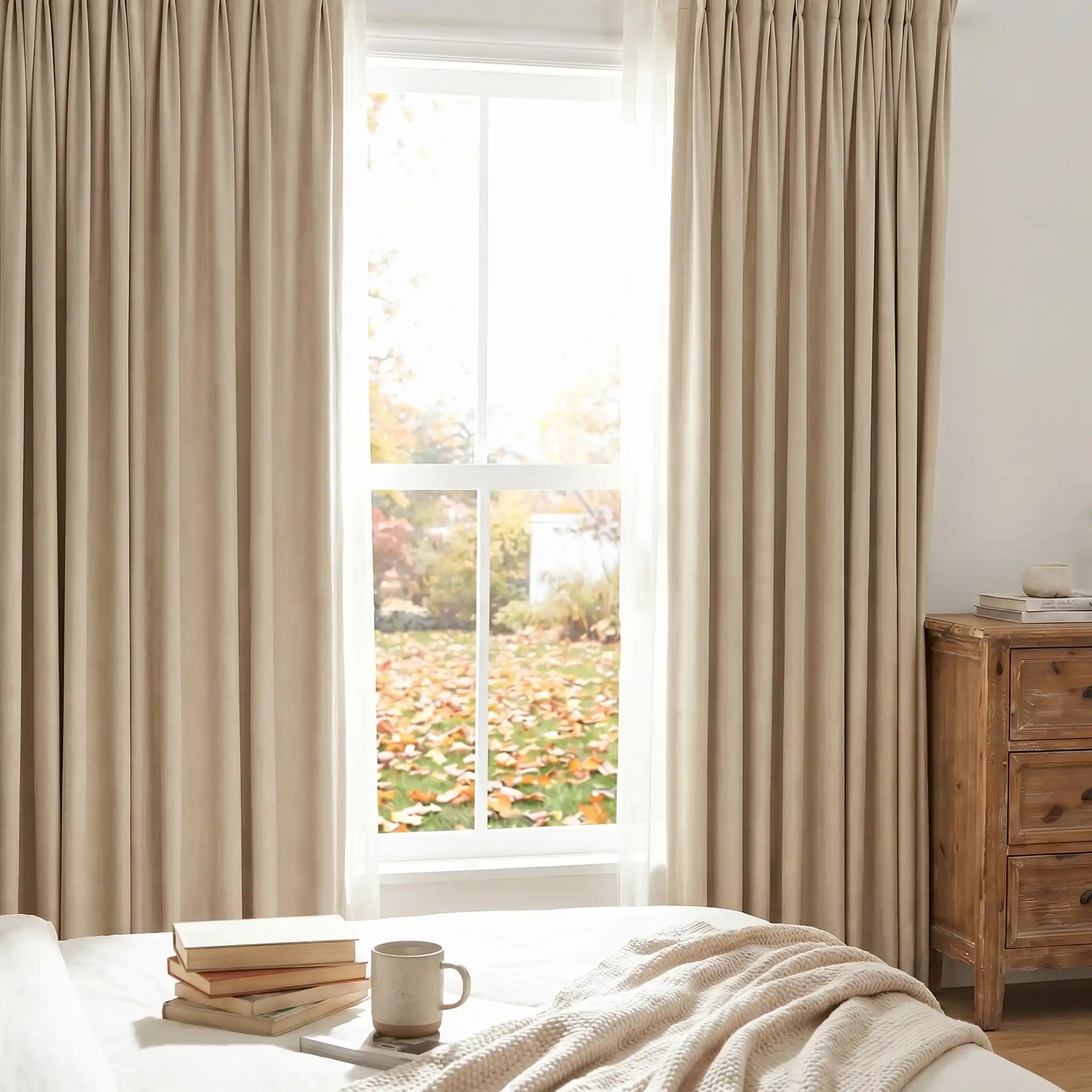
Window treatments sit in that interesting space between architecture and decoration. They manage light and privacy, but they also change how polished a room feels. If you are weighing roman shades for kitchens, the best answer usually comes from understanding how the option behaves in real life, not just how it looks in a catalog photo.
The short answer is that the strongest choice is usually the one that handles the kitchen's real demands first, then builds style around it. In most homes, kitchen roman shades and fabric shades are not competing in a vacuum; they are responding to the room's layout, light, and pace of use.
Why Roman Shades Feel Tailored in Kitchens
The real question behind this topic is why roman shades feel tailored in kitchens. Once that is clear, many of the usual shopping distractions fall away. Features that sound equally appealing on a product page suddenly show their strengths and weaknesses much more honestly.
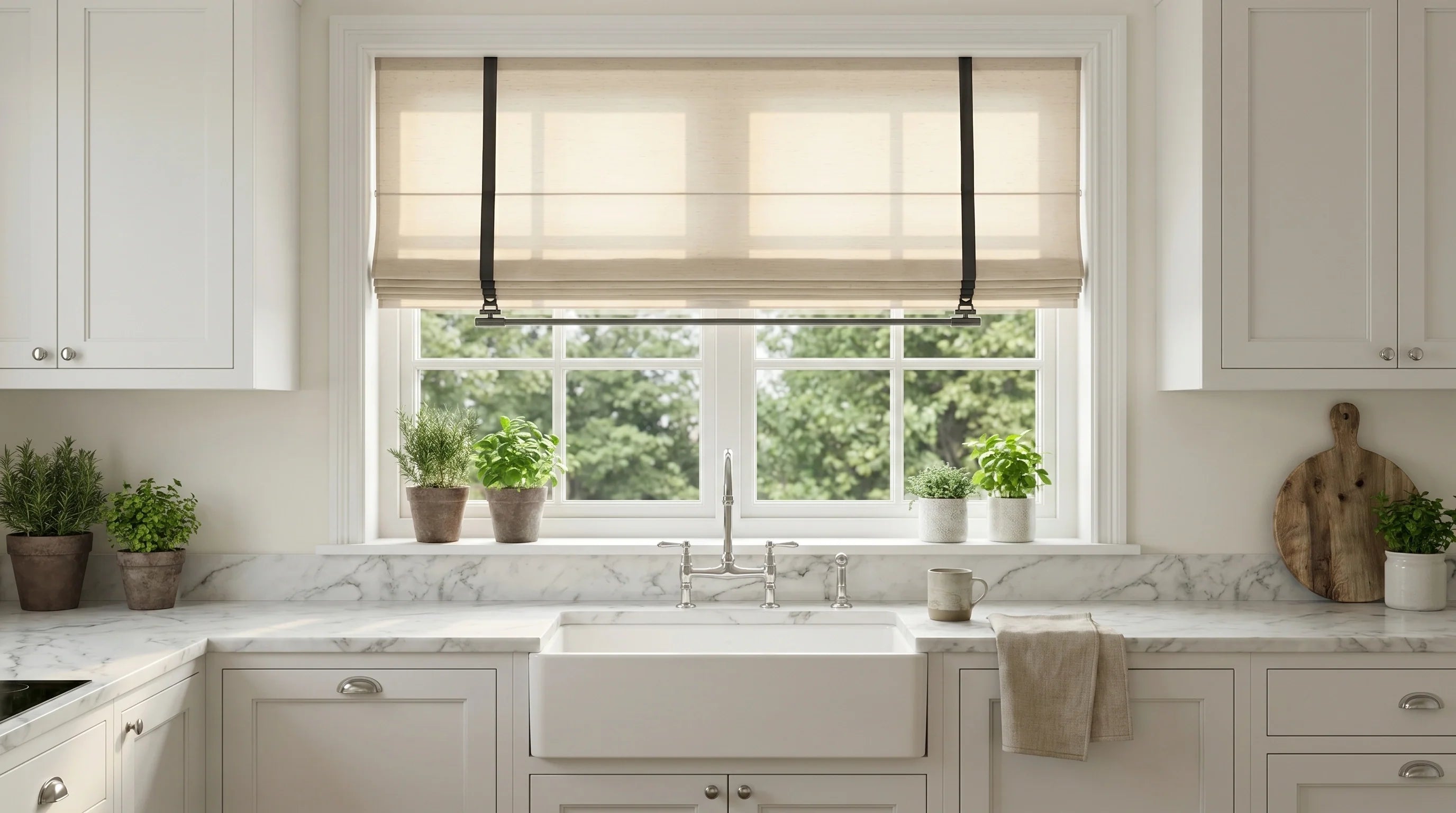
This is also where material and construction matter. Kitchen roman shades tend to work best when the goal is a softer, more natural finish — linen in particular brings warmth without visual weight. Fabric shades earn their place when coverage, structure, or ease of use matter more than visual lightness alone.
The Beatrice Custom Linen Roman Shades are a strong kitchen option — the linen fabric is light enough to keep the room feeling open, and the flat-fold construction stacks neatly above the window without blocking cabinet access.

Where They Work and Where They Do Not
A lot hinges on where they work and where they do not. It is one of those design choices that seems subtle until you compare two rooms side by side. One feels balanced and useful; the other feels almost right but never completely settled.
Fabric shades work well when you want the room to feel clean, bright, and easygoing rather than overworked. They are less ideal directly above a cooktop where steam and grease can accumulate in the folds. For windows above the sink or on a side wall, roman shades are usually a practical and attractive choice.
For a kitchen window that gets moderate light and occasional steam, the Seraphina Custom Linen Roman Shades offer a clean silhouette that is easy to spot-clean and holds its shape well over time.

Fabric and Cleaning Considerations
Start here: fabric and cleaning considerations. This is the point that usually determines whether the final result feels obvious in a good way or slightly compromised. In a bright kitchen, for example, the best-looking treatment often ends up being the one that manages daylight calmly instead of fighting it.
Window treatments shine when you want the treatment to recede into the background and keep the kitchen feeling light and uncluttered. Kitchen roman shades usually make more sense when you need the window treatment to do more visible work — adding a considered design detail to a room that is often purely functional.
If easy care is a priority, the Florence Custom Linen Roman Shades are made to order in a fabric that spot-cleans well and resists the casual wear of a busy kitchen environment.

A Practical Takeaway
It also helps to picture the room on an ordinary weekday instead of in a styled photo. Will the window be opened often? Is there furniture nearby? Does the space need blackout at night but softness during the day? Those questions usually lead to better decisions than trend lists do.
Conclusion
If you want a window treatment that still feels right after the novelty wears off, choose the one that respects the room's real needs first. That is the most reliable path to getting roman shades for kitchens right.