
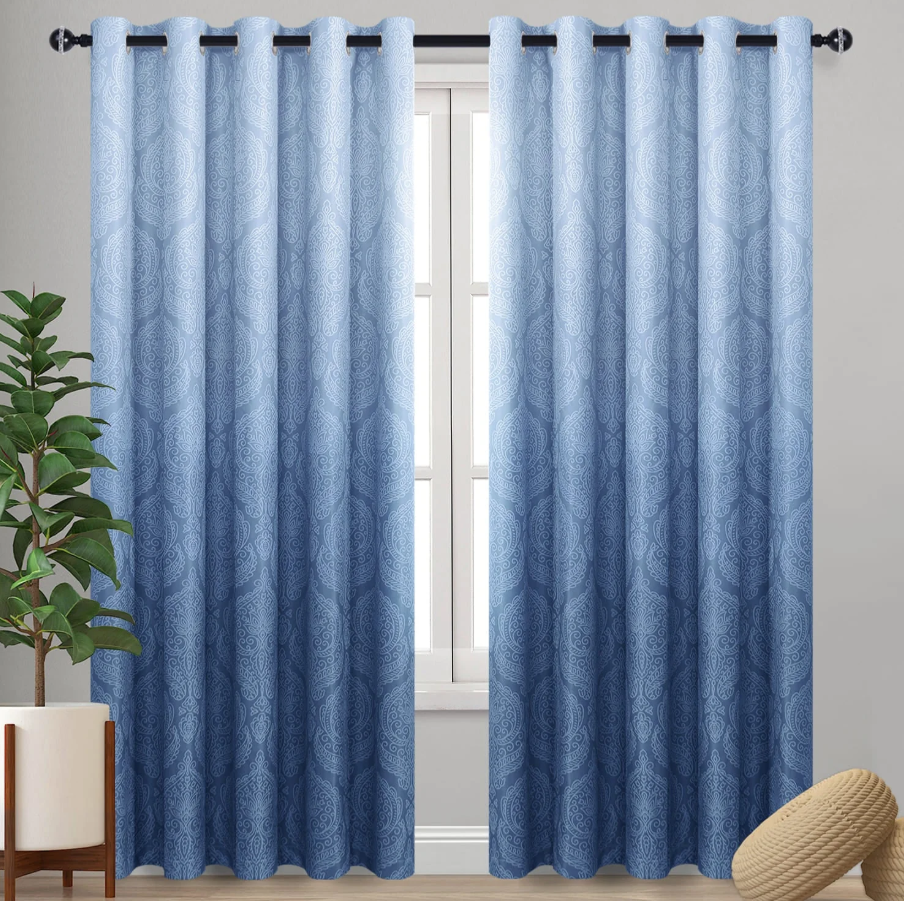
Modern workplaces have changed a lot over the last decade. Traditional offices with fixed walls and assigned desks are giving way to flexible environments that support collaboration, focused work, and hybrid schedules. Businesses are looking for practical ways to make better use of their office space without committing to expensive renovations.
One solution that has become increasingly popular is the use of room privacy curtains . Unlike permanent walls or glass partitions, privacy curtains allow companies to divide spaces whenever needed and open them up again just as easily. They provide flexibility, improve privacy, and help offices adapt to changing needs.
Whether you're redesigning a corporate office, creating collaborative zones, or upgrading a coworking space, room privacy curtains offer a simple and cost-effective way to create a more functional workspace.
Why Modern Offices Need Flexible Layouts
Today's offices are expected to support many different ways of working. Employees may spend part of the day collaborating with colleagues, another part attending online meetings, and the rest focusing on individual tasks. A single office layout rarely fits every activity.
The Shift Toward Flexible Workspaces
Hybrid work has changed how companies use office space. Since many employees split their time between home and the office, businesses are reconsidering how much permanent workspace they actually need.
Instead of dedicating rooms to one purpose, many organizations now prefer multi-functional spaces that can quickly adapt. A meeting room in the morning might become a training area in the afternoon and an event space later in the day.
Flexible office layouts make this possible without requiring major construction projects.
Common Challenges in Open Offices
Open-plan offices encourage communication, but they also create several challenges.
Some of the most common issues include:
- Constant background noise
- Limited privacy for phone or video calls
- Difficulty concentrating on detailed work
- Lack of private meeting areas
- Reduced comfort during confidential conversations
These problems can affect both productivity and employee satisfaction if they are not addressed.
Why Adaptability Matters
Businesses grow, teams change, and office requirements evolve over time. A layout that works today may no longer be suitable next year.
Flexible design allows companies to:
- Rearrange workstations as teams expand
- Create temporary project rooms
- Host workshops or presentations
- Separate quiet work areas from collaborative spaces
- Make better use of available square footage
Instead of investing in permanent walls, many organizations choose movable solutions that can evolve with their workspace.
What Are Room Privacy Curtains?
Room privacy curtains are movable fabric or vinyl partitions installed on ceiling-mounted or wall-mounted track systems. They can be opened or closed whenever needed, allowing users to divide a large room into smaller, more private spaces.
Unlike fixed walls, they don't permanently change the office layout. This makes them especially useful for businesses that frequently reorganize their workspace.
Privacy curtains are commonly used in:
- Corporate offices
- Coworking spaces
- Conference centers
- Educational facilities
- Healthcare offices
- Training rooms
Different Types of Office Privacy Curtains
Not every office has the same requirements, so privacy curtains are available in several styles.
Ceiling-Mounted Curtain Systems
These are installed on overhead tracks and provide a clean, modern appearance. Since the tracks remain discreet, they work well in contemporary office interiors.
Acoustic Privacy Curtains
Made with sound-absorbing materials, acoustic curtains help reduce noise between work areas. While they don't completely block sound like solid walls, they can noticeably improve speech privacy and reduce distractions.
Fire-Retardant Curtains
Commercial buildings often require materials that meet local fire safety regulations. Fire-retardant fabrics offer an added layer of protection while complying with workplace safety standards.
Transparent PVC Curtains
Some offices need physical separation without blocking visibility. Transparent PVC curtains create defined spaces while allowing natural light to pass through.
Decorative Fabric Curtains
Available in a wide range of colors, textures, and patterns, fabric privacy curtains can complement existing office décor while creating a softer and more welcoming environment.
Benefits of Using Room Privacy Curtains in Offices
Privacy curtains are popular because they solve several workplace challenges without requiring expensive remodeling.
Flexible Space Configuration
One of their biggest advantages is flexibility.
Instead of committing to fixed rooms, businesses can create temporary spaces whenever necessary.
For example, a large conference room can easily become two smaller meeting areas by simply closing the curtain. When a larger event is scheduled, the curtain can be opened again within seconds.
This level of flexibility helps organizations maximize every square foot of available space.
Better Privacy for Employees
Privacy isn't only about confidential meetings. Employees often need quiet areas for focused work, virtual meetings, or phone calls.
Privacy curtains create visual separation that helps people feel less exposed in open environments.
When acoustic fabrics are used, they can also reduce noise transfer, making conversations more comfortable without isolating employees completely.
Lower Costs Compared to Permanent Partitions
Building permanent walls requires construction work, permits, electrical adjustments, painting, and significant labor costs.
Privacy curtain systems are generally much easier to install and can often be completed with minimal disruption to daily business operations.
If the office layout changes later, the curtains can simply be relocated instead of demolished and rebuilt.
Improved Office Appearance
Modern privacy curtains are available in many styles, allowing businesses to match their branding and interior design.
Neutral colors create a clean, professional look, while customized fabrics can reinforce company identity.
Rather than making the office feel smaller, well-designed curtains often create a warmer and more organized atmosphere.
More Efficient Use of Space
Large open areas sometimes remain underused because they lack structure.
Privacy curtains make it possible to divide these spaces into practical work zones, such as:
- Small meeting rooms
- Focus areas
- Training spaces
- Collaboration corners
- Quiet workstations
This allows offices to accommodate more activities without expanding their footprint.
Best Office Areas for Room Privacy Curtains
Privacy curtains are versatile enough to work in almost any commercial environment.
Some of the most common applications include:
Open Workstations
Separate departments without building permanent walls while maintaining flexibility for future changes.
Meeting Rooms
Create temporary meeting rooms whenever additional space is needed.
Phone Booths
Design quiet areas for virtual meetings and confidential calls.
Training Rooms
Divide large classrooms into smaller workshop spaces for different groups.
Breakout Areas
Provide employees with quieter places to relax or hold informal discussions.
Reception Spaces
Create waiting areas that feel more private and organized.
Coworking Offices
Allow multiple businesses to share one space while maintaining a comfortable level of privacy.
Popular Office Layout Ideas Using Privacy Curtains
Office layouts continue to evolve as businesses look for ways to support different work styles. Privacy curtains make it easier to create flexible environments without making permanent changes to the office.
Here are a few practical layout ideas.
Open Office with Flexible Collaboration Zones
Many companies prefer open offices because they encourage communication. However, open spaces can also become noisy and distracting.
Installing privacy curtains between work zones allows teams to collaborate without affecting the entire office. When larger projects require more space, the curtains can simply be pulled back.
This approach keeps the office open while giving employees more control over their surroundings.
Hybrid Workspace Layout
Hybrid offices often need to accommodate employees who come in on different days. Instead of assigning every worker a permanent desk, companies can create flexible zones for meetings, focused work, and casual collaboration.
Privacy curtains make it easy to adjust these spaces based on daily demand. A meeting area can quickly become additional workstation space, helping businesses make better use of their office.
Activity-Based Working (ABW)
Activity-Based Working encourages employees to choose different work areas depending on their tasks.
For example:
- Quiet zones for focused work
- Open areas for teamwork
- Small meeting spaces
- Phone booths
- Lounge areas for informal discussions
Curtains provide an affordable way to define these areas while allowing the office layout to change as needed.
Modular Office Design
Growing businesses rarely keep the same office layout for long.
Instead of rebuilding walls every time the company expands, modular layouts use movable partitions and privacy curtains to create adaptable spaces.
As teams grow or departments change, the office can be reorganized with minimal effort.
Coworking Spaces
Coworking offices often host multiple businesses under one roof.
Privacy curtains allow operators to create individual work areas without making the space feel closed off. Members benefit from additional privacy while still enjoying the open, collaborative atmosphere that coworking spaces are known for.
Multi-Purpose Conference Rooms
Conference rooms are often underused.
Adding curtain systems allows one large room to become several smaller meeting rooms when necessary. This increases the number of teams that can use the space at the same time without requiring additional construction.
Acoustic Benefits of Office Privacy Curtains
Noise is one of the biggest complaints in open-plan offices.
Although privacy curtains cannot completely eliminate sound, specially designed acoustic fabrics can significantly reduce noise levels and improve overall comfort.
How Acoustic Curtains Reduce Noise
Acoustic curtains absorb part of the sound waves instead of reflecting them throughout the room.
This helps reduce:
- Echo
- Conversations traveling across the office
- General background noise
- Distractions during meetings
The result is a quieter and more comfortable workspace.
Sound Absorption vs. Sound Blocking
These two terms are often confused.
Sound absorption reduces echoes and lowers overall noise levels by absorbing sound energy.
Sound blocking prevents sound from passing through a barrier.
Privacy curtains mainly provide sound absorption rather than complete soundproofing. For many offices, reducing noise is enough to improve concentration and create a more pleasant working environment.
Choosing Acoustic Fabrics
When selecting acoustic curtains, consider fabrics with:
- Thick, dense construction
- Multiple fabric layers
- Certified acoustic performance
- Fire-retardant properties
- Easy maintenance
The right material can make a noticeable difference without adding permanent walls.
How to Choose the Right Room Privacy Curtains
Not every curtain system works for every office. Before making a decision, consider how the space will be used.
Office Size
Large open offices often benefit from ceiling-mounted track systems that allow long curtain runs.
Smaller offices may only need short tracks to create temporary meeting spaces or divide individual work areas.
Fabric Selection
The fabric should match the purpose of the space.
For example:
- Acoustic fabric for quiet work zones
- Decorative fabric for reception areas
- Blackout fabric for presentation rooms
- Transparent PVC for areas that require visibility
Durability is also important in busy commercial environments.
Fire Safety
Commercial buildings usually have specific fire safety requirements.
Choose fabrics that comply with local building codes and carry appropriate fire-retardant certifications.
Ease of Cleaning
Office curtains collect dust over time, especially in high-traffic areas.
Look for fabrics that are stain-resistant, washable, or easy to remove for cleaning.
Low-maintenance materials help reduce long-term operating costs.
Installation System
Track systems should be selected based on the office layout.
Popular options include:
- Straight ceiling tracks
- Curved tracks
- Wall-mounted tracks
- Heavy-duty commercial track systems
The right hardware ensures smooth operation and longer service life.
Appearance
Curtains should complement the overall office design.
Neutral colors create a clean, professional appearance, while company brand colors can be used to strengthen visual identity.
Installation Tips for Office Curtain Systems
A well-designed curtain system performs better and lasts longer.
Plan Before Installing
Measure the space carefully before ordering curtains.
Consider:
- Ceiling height
- Track length
- Furniture placement
- Emergency exits
- Lighting fixtures
Good planning helps avoid costly adjustments later.
Choose Strong Hardware
Commercial curtain systems are used frequently.
Heavy-duty tracks and rollers provide smoother operation and require less maintenance over time.
Keep Curtains Off the Floor
Curtains should hang close to the floor without dragging.
This improves appearance while reducing wear and making cleaning easier.
Schedule Regular Maintenance
Routine inspections help identify worn rollers, damaged tracks, or loose mounting hardware before they become larger problems.
Cleaning curtains regularly also helps maintain a professional office appearance.
Room Privacy Curtains vs. Traditional Office Partitions
Businesses often compare privacy curtains with permanent partitions before making an investment.
| Feature | Privacy Curtains | Glass Walls | Drywall Partitions | Folding Screens |
|---|---|---|---|---|
| Installation Time | Fast | Slow | Slow | Immediate |
| Cost | Low | High | High | Medium |
| Flexibility | Excellent | Limited | None | Good |
| Easy to Relocate | Yes | No | No | Yes |
| Visual Privacy | Good | Moderate | Excellent | Good |
| Noise Reduction | Moderate | Moderate | Excellent | Limited |
| Maintenance | Low | Medium | Low | Low |
For companies that expect future changes, privacy curtains often provide the best balance between flexibility and cost.
Sustainability Benefits of Privacy Curtain Systems
Many businesses are looking for ways to create more sustainable workplaces. While office furniture and lighting often receive the most attention, flexible partition systems can also contribute to a more environmentally friendly office.
Reduce Construction Waste
Building permanent walls usually involves drywall, metal framing, paint, insulation, and other materials. If the office layout changes a few years later, much of that material ends up as construction waste.
Privacy curtains offer a reusable alternative. Instead of tearing down walls, companies can simply move or replace the curtain system to suit a new layout.
Extend the Life of Office Spaces
Businesses rarely stay the same size forever. Teams grow, departments merge, and new working styles emerge.
Because curtain systems are easy to reconfigure, they help offices adapt without major renovations. This can extend the usable life of an existing office and reduce the need for large remodeling projects.
Support Sustainable Materials
Many manufacturers now offer curtains made from recycled or environmentally responsible fabrics.
When selecting products, consider materials that are:
- Recyclable
- Low in VOC emissions
- Durable enough for long-term use
- Manufactured using sustainable processes
Choosing quality materials often means fewer replacements over time.
Industries That Benefit from Office Privacy Curtains
Privacy curtains are suitable for far more than traditional office buildings. Their flexibility makes them useful in many commercial environments.
Corporate Offices
Large companies often use privacy curtains to create project rooms, meeting areas, or temporary workspaces.
As departments expand or reorganize, layouts can be adjusted without expensive construction.
Coworking Spaces
Coworking operators need spaces that can accommodate different businesses every day.
Curtains make it possible to create private offices, meeting rooms, or event spaces while keeping the overall layout flexible.
Educational Facilities
Schools, universities, and training centers frequently divide classrooms into smaller teaching areas.
Movable curtain systems allow one room to support multiple activities throughout the day.
Healthcare Administration Offices
Administrative offices in hospitals and clinics often need additional privacy for meetings or confidential conversations.
Curtains provide separation while remaining easy to clean and maintain.
Government Buildings
Government offices sometimes require temporary interview rooms, waiting areas, or service counters.
Privacy curtains provide flexibility without permanently changing the building.
Creative Studios
Design agencies, marketing teams, and media companies often combine collaborative spaces with quiet work areas.
Curtains help create different environments while preserving the open and creative atmosphere.
Technology Companies
Technology businesses frequently reorganize project teams.
Instead of rebuilding office partitions, curtain systems allow workspaces to evolve as projects change.
Common Mistakes to Avoid
Although privacy curtains are relatively simple, a few common mistakes can reduce their effectiveness.
Choosing the Wrong Fabric
Not every curtain is designed for commercial use.
Lightweight residential fabrics may wear out quickly in busy offices. Select materials that are durable enough for daily operation.
Ignoring Acoustic Performance
If noise is the primary concern, standard decorative curtains may not provide enough sound absorption.
Acoustic fabrics are usually a better choice for meeting rooms, phone booths, and focus areas.
Incorrect Measurements
Ordering curtains without accurate measurements can lead to gaps, poor coverage, or installation problems.
Always measure ceiling height, track length, and floor clearance before purchasing.
Using Low-Quality Hardware
The curtain itself is only part of the system.
Weak tracks or rollers can make daily operation difficult and shorten the lifespan of the installation.
Commercial-grade hardware generally performs better over the long term.
Forgetting Fire Safety Requirements
Commercial buildings often have strict fire safety regulations.
Before installation, confirm that both the fabric and the track system meet local building requirements.
Frequently Asked Questions
Are room privacy curtains suitable for open-plan offices?
Yes. They are commonly used in open offices to create meeting areas, quiet work zones, and temporary private spaces without reducing the overall flexibility of the layout.
Can privacy curtains reduce office noise?
Acoustic privacy curtains can help absorb sound and reduce echoes. While they are not fully soundproof, they can noticeably improve speech privacy and reduce everyday distractions.
Can privacy curtains replace permanent walls?
That depends on the purpose.
For flexible workspaces, temporary meeting rooms, or collaborative areas, curtains are often an effective alternative. If complete sound isolation or security is required, permanent walls may still be the better option.
Are commercial privacy curtains fire-resistant?
Many commercial curtain systems are available with fire-retardant fabrics that comply with local safety regulations. Always check product certifications before purchasing.
How long do office privacy curtains last?
High-quality commercial curtains can last for many years with regular cleaning and proper maintenance. Their lifespan depends on fabric quality, usage frequency, and the surrounding environment.
What is the best material for office divider curtains?
The best material depends on the application.
Acoustic fabrics work well for reducing noise, while durable polyester fabrics are suitable for general office use. Transparent PVC is often chosen when visibility and natural light are important.
Can office curtain systems be moved?
Yes. One of the main advantages of curtain systems is that they can usually be relocated or expanded as office layouts change.
Are privacy curtains easy to maintain?
Most commercial curtain fabrics are designed for routine maintenance. Regular vacuuming and occasional cleaning are usually enough to keep them looking professional.
Workplaces continue to change as businesses look for smarter ways to support collaboration, private conversations, and focused work within the same office. Instead of relying on permanent walls, many companies are choosing flexible solutions that can adapt as their needs evolve.
Room privacy curtains offer a simple and practical way to create separate work areas without major renovations. They can be opened or closed in seconds, making it easier to organize meeting spaces, quiet zones, training areas, or temporary offices while keeping the layout adaptable.
When planning a curtain system, it's worth considering more than just appearance. Fabric type, acoustic performance, fire safety, durability, and the quality of the track system all play an important role in long-term performance. Choosing products that fit your workspace today—and can be adjusted in the future—can help reduce renovation costs and extend the life of your office layout.
If you're looking for commercial room privacy curtains or custom divider curtain systems, DWCN Store offers solutions designed for offices, coworking spaces, healthcare facilities, schools, and other commercial environments. At DWCN Home, you can explore a range of curtain systems, track hardware, and customization options to find a solution that fits your workspace requirements.
As flexible office design becomes more common, adaptable partition systems will continue to be a practical investment for businesses that value efficiency, privacy, and the ability to respond to changing workplace needs.